Related Articles
- Navigating Ethical Travel: The Role of Arts and Crafts in Supporting Local Economies and Cultures
- Rediscovering Ancestral Routes: How Ancient Trails Offer Insights into Sustainable Travel Practices
- The Ethical Dilemma of Luxury Travel: Splurging or Supporting Sustainable Development?
- Navigating Ethical Dilemmas: The Quest for Authenticity in Local Food Experiences While Traveling
- Beyond the Facade: Exploring the Subsurface Infrastructure of Iconic Historical Structures
- Curiosities Unearthed: The Surprising Connections Between Historic Sites and Modern Art Movements
Mysterious Frontiers: Experiencing the Strange Rituals of Remote Cultures for Thrilling Travel Tales
Mysterious Frontiers: Experiencing the Strange Rituals of Remote Cultures for Thrilling Travel Tales
Traveling to remote cultures around the world offers an immersive experience into the mysterious rituals that define human existence. From the isolated tribes of Papua New Guinea to the hidden traditions in the Amazon rainforest, each encounter holds thrilling tales that can redefine our understanding of humanity.
Exploring the Unknown: The Draw of Remote Cultures
The desire to experience the strange and unusual has been a driving force behind travel for centuries. According to a survey by the Adventure Travel Trade Association, 55% of travelers are keen on experiencing authentic cultural encounters when they explore new destinations (ATTA, 2022). This quest for novel experiences brings us face-to-face with rituals that may seem bizarre at first glance but are rich in meaning and tradition.
Rituals of Papua New Guinea: Spirit of the Highlands
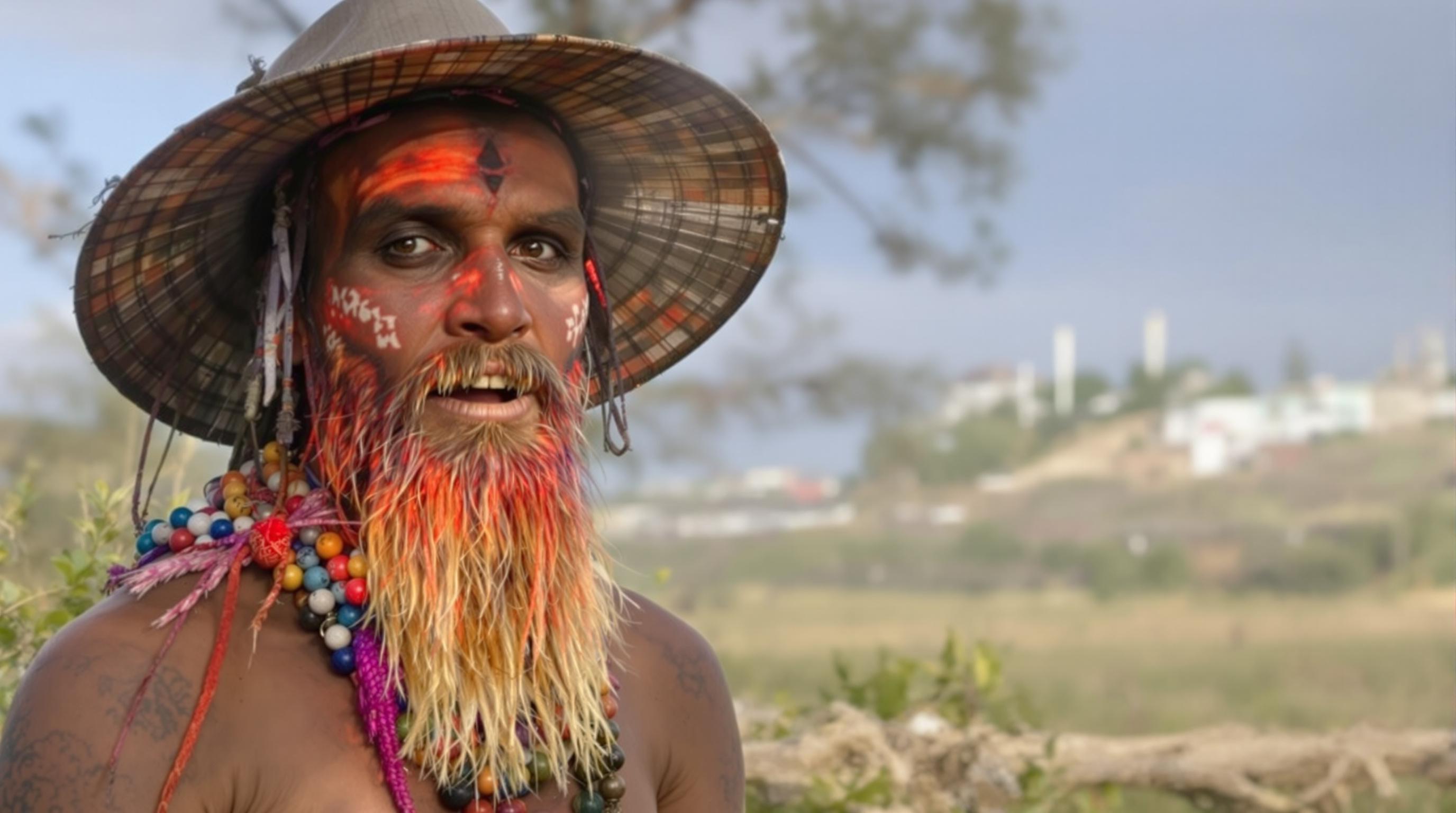
In the highlands of Papua New Guinea, the Baliem Valley is home to the Dani tribe, known for its unique rituals related to ancestral worship and warfare. For the Dani, every aspect of life is intertwined with spiritual beliefs. One remarkable ceremony is the “bloodless war,” where rival clans engage in mock battles adorned with vibrant body paint and elaborate headdresses made from feathers. This extraordinary display emphasizes not only heraldry but also serves as a rite of passage for young warriors.
Imagine being a spectator at one of these grand displays. You might find yourself captivated by the participants’ rhythmic movements, almost as if they are channeling the spirits of their ancestors. These rich rituals shed light on the community's values—honor, bravery, and interconnectedness with their environment.
Cultural Sensitivity: A Guide to Respectful Engagement
While the allure of remote cultures is undeniable, it is crucial to approach these encounters with respect and sensitivity. Being an observer rather than a participant in some rituals can mean the difference between cultural appreciation and appropriation. According to Dr. Amara Pearson, an anthropologist who specializes in cultural rituals, “Merging into a culture does not mean losing your identity, but it does require understanding the significance of what you observe.”
Tranquil Temples of Bhutan: A Journey of Spiritual Insight
On the other side of the globe, Bhutan presents another facet of spiritual ritual. Nestled in the Eastern Himalayas, this kingdom practices its own version of Buddhism that is permeated with vibrant ceremonies, including the infamous Tsechu festivals where dancers in elaborate costumes reenact stories from their religious texts. Tourists flock to these events, joining thousands of locals in the celebration of life, death, and rebirth.
Travelers often describe the experience as transcendent, filled with colorful prayers, rhythmic chants, and an air of deep spirituality. Statistics show that around 106,000 international tourists visited Bhutan in 2019, with a noteworthy percentage expressing that the cultural immersion aspects were a key factor in their decision to travel there (Tourism Council of Bhutan).
Humor in the Peculiar: Embracing the Unexpected
“Just when you think you’ve seen it all, someone from a remote village offers you a plate of fried crickets.” Oh, the adventures of traveling can lead to the unexpected! In the village of Tzotzil, Mexico, it’s not uncommon to encounter indigenous peoples who serve grubs and insects during local festivals. And as the wise traveler once said, “When in Rome, do as the Romans do.” For some, this might entail tasting something peculiar while sharing laughter with locals.
The Real Stories: Case Studies from Around the World
Throughout my travels, I’ve encountered a variety of intriguing rituals. One memorable experience occurred in Iceland during the Winter Solstice, where locals celebrated with a ‘Yule Lads’ festival—a delightful amalgamation of Icelandic folklore characterized by 13 mischievous trolls. This year, I joined in the local festivities, where children left shoes out to receive small gifts (or, sometimes, rotten potatoes, should they misbehave!). The laughter and joy shared among families were a warm reminder of how deep-rooted traditions foster community.
Connecting with Others: The Heart of Travel
No matter where you go, connecting with the people behind these rituals is paramount. The warmth of their hospitality can often eclipse the strangeness of their traditions. A traveler’s tale from Tanzania's Maasai community highlights this beautifully: “At first glance, the Maasai seemed otherworldly. But after sharing a meal with them, listening to their stories, and marveling at their ceremonies, I discovered their kindness and humor mirrored my own community back home.”
When Nature and Culture Unite: The Rituals of the Amazon
Deep within the Amazon rainforest, the indigenous people engage in intricate ceremonies to communicate with nature. One trending experience among adventurous travelers is participating in ayahuasca ceremonies—a hallucinogenic brew used for spiritual healing. Research indicates that about 80,000 tourists journey to Peru specifically for this psychedelic experience every year (Global Wellness Institute, 2021). However, it’s essential to approach this practice with respect—it’s not just a trend; it’s deeply rooted in cultural heritage and spiritual beliefs.
Thrill-Seeking and Enlightenment: A Balanced Approach
For some, experiencing the strange rituals of remote cultures intersects with a thirst for adventure. However, the excitement must be balanced with ethical considerations. Engaging with cultures requires a nuanced understanding of their significance. The Social Science Research Council even noted that ethical tourism improves sustainability and respect for traditions (SSRC, 2020). Therefore, thrill-seeking should never overshadow the need for respectful engagement.
A Lasting Impact: The Stories We Share
Upon returning home, the tales of remarkable encounters linger long after the travel has ceased. Each journey starts as a quest for adventure but evolves into a conduit for connection and understanding. As travelers, we become storytellers—the new versions of ancient bards weaving tales from the unfamiliar fabric of diverse cultures.
Connecting Generations: The Educational Aspect
Travel to remote cultures opens dialogues that transcend generations. Educators emphasize the importance of teaching young people about these experiences, reinforcing the idea that cultural exploration can foster empathy and global citizenship. A study by the International Society for Technology in Education found that 92% of students felt more connected to the world after learning about various cultures through travel (ISTE, 2021).
The Emotional Resonance of Rituals
Each encounter has the potential to strike an emotional chord, evoking feelings ranging from joy and wonder to sadness and reflection. A powerful ritual experience, such as funerals within the Toraja culture in Indonesia, highlights the colorful ceremonies surrounding death—not as an end but as a transition. Witnessing their elaborate ceremonies—a colorful dance of life intermingled with mourning—gives travelers a profound perspective on the cycles of life.
The Journey Continues: Discovering More
Each travel experience adds a layer to our understanding of humanity. As we venture deeper into the heart of this world, we're reminded that while we may be different, the threads of connection bind us across vast landscapes. So, pack your bags, embrace your next adventure, and prepare yourself for the kaleidoscope of rituals and stories that await you!
Final Thoughts: Traveling with Intent
Ultimately, experiencing the strange rituals of remote cultures not only makes for thrilling travel tales but also enriches our understanding of humanity. If we travel with respect and an open heart, the world unfolds before us in ways we’ve never imagined. As writer Pico Iyer said, “We travel, initially, to lose ourselves; and we travel, next, to find ourselves.” Each strange ritual, every encounter, weaves the fabric of who we are and what we can become.
So, who’s ready to journey into these mysterious frontiers and uncover the tales yet untold?
Read More