Related Articles
- Navigating Ethical Travel: The Role of Arts and Crafts in Supporting Local Economies and Cultures
- Rediscovering Ancestral Routes: How Ancient Trails Offer Insights into Sustainable Travel Practices
- The Ethical Dilemma of Luxury Travel: Splurging or Supporting Sustainable Development?
- Navigating Ethical Dilemmas: The Quest for Authenticity in Local Food Experiences While Traveling
- Beyond the Facade: Exploring the Subsurface Infrastructure of Iconic Historical Structures
- Curiosities Unearthed: The Surprising Connections Between Historic Sites and Modern Art Movements
Uncharted Terrain: The Rise of Forgotten Historical Trails as Thrilling Adventure Spots
Uncharted Terrain: The Rise of Forgotten Historical Trails as Thrilling Adventure Spots
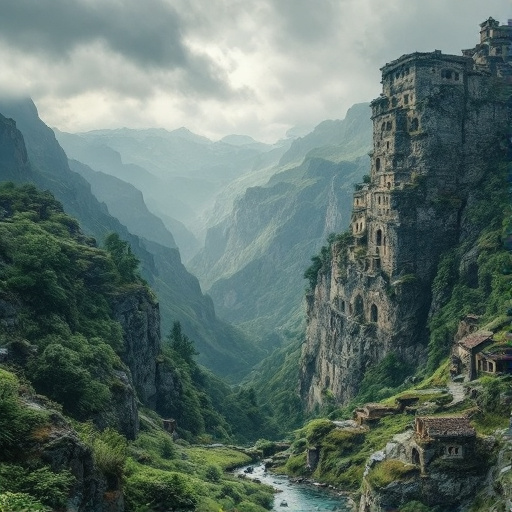
As adventurers search for unique experiences away from the beaten path, forgotten historical trails are making a comeback. These hidden gems not only offer breathtaking scenery but also a rich narrative that intertwines nature and human history.
Unearthing History: The Allure of Forgotten Trails
Have you ever wanted to walk where the ancients roamed? Many people indulge in fantasy stories, yet there’s nothing more magical than treading on trails laden with history, where every rock has a tale to tell. Trails like the old Pacific Crest Trail, or lesser-known routes like the Oregon Trail, don’t just connect places but stitch together legacies.
Why Now? The Revival of Adventure Travel
In a world dominated by social media, everyone is vying for the “Instagrammable” moment. However, the rising trend of adventure travel encourages explorers to seek experiences that boast authenticity over aesthetics. According to a recent survey by the Adventure Travel Trade Association, 86% of outdoor recreation participants claim they prioritize meaningful experiences over simple picturesque views (Adventure Travel Trade Association, 2022). This growing enthusiasm for historical trails offers thrill-seekers a blend of challenge, beauty, and cultural heritage.
A Trail Less Traveled: Not Just for the Bold
Contrary to popular belief, not all historical trails are grueling expeditions meant for seasoned adventurers. The Virginia Creeper Trail, a 34-mile trail located in Virginia, effortlessly showcases vibrant landscapes while being suitable for families. With its gentle slopes and breathtaking views, this path welcomes cyclists, runners, and casual walkers alike, proving that excitement doesn’t always necessitate arduous climbs.
Statistics that Spark Interest
According to a report by Outdoor Industry Association, Americans spent a whopping $887 billion on outdoor recreation in 2020 alone (Outdoor Industry Association, 2021). And what does that say about our thirst for adventure? It’s an undeniable inclination toward not only experiencing the great outdoors but also the stories it has to offer.
Trail Spotlight: The Camino de Santiago
The Camino de Santiago, or the Way of Saint James, is a network of ancient pilgrimage routes stretching across Europe, leading to the shrine of the apostle Saint James in Santiago de Compostela, Spain. What started as a spiritual journey has evolved into one of the most popular walking trails in the world. Each year, over 300,000 people embark on this rewarding trek, covering diverse landscapes that echo tales of medieval pilgrims. Recent statistics show that 40% of mushroomed interest has been driven by millennial travelers seeking purposeful experiences (Xavier, 2021).
The Thrill of Rediscovery
There’s something undeniably exhilarating about rediscovering a long-forgotten path. Imagine standing in the middle of a forest that once served as a trade route between indigenous peoples and early settlers, where history and adventure intermingle. As a 28-year-old writer, I often find solace in taking such paths, leaving behind the cacophony of city life while basking in nature’s beauty. You might even stumble upon remnants of ancient stone markers or rustic homes that whisper stories of generations gone by.
Storytelling Through Your Journey
As you traverse these trails, each step can conjure vivid storytelling. Imagine connecting the dots between your own life and those who walked before you. Personally, I once encountered an old log cabin nestled within the Cascades while hiking the Stevens Pass. There, I found a journal left behind by a hiker from the 1970s, filled with anecdotes of UFO sightings and wild bear encounters. Suddenly, my solitary hike transcended into a connection with a stranger and their marvelous experiences. It led me to ponder: what stories will I leave behind?
Preserving Nature and History
There’s also an essential aspect of conservation that comes with exploring lesser-known trails. With rising awareness of climate change and environmental degradation, adventurers are urged to take on the mantle of responsible travelers. Engaging with forgotten trails can compound local efforts to preserve these historical sites, showcasing their relevance within contemporary landscapes. According to a study conducted by the National Park Service, preserving historical trails yields long-term economic benefits, including increased local tourism and the opportunity for outdoor education (National Park Service, 2019).
How to Prepare for the Adventure of a Lifetime
Preparation is key to truly relishing the adventure of exploring historical trails. Start by researching the trail - look at maps, read historical accounts, and consult seasoned hikers. Make sure to snag a sturdy pair of walking boots and pack essentials like a first-aid kit, navigation tools, and plenty of water. Your first adventure might just spark a lifelong passion for walking in the footsteps of history.
Embrace the Humor of Adventure
Let’s be real: sometimes, things go hilariously wrong. Like the time my friend tried to impress fellow hikers by juggling granola bars, only to have them land in the mud. Recommendation: save the juggling for the campsite, or better yet, leave it to the professionals! Embracing these light-hearted moments adds charm to your adventure; after all, it’s often the unexpected experiences that become cherished memories.
The Community Aspect of Old Trails
One of the most alluring prospects of exploring forgotten trails is the community aspect that sprinkles these adventures with camaraderie. From local meetups to organized hiking events, engaging with fellow enthusiasts on these trails fosters connections that transcend geographical boundaries. Websites like Meetup and Facebook Groups host meetups, uniting hiking communities from diverse backgrounds while sharing strategies for tackling historical routes.
Beyond the Trail: Cultural and Historical Significance
Many of these forgotten historical trails are linked to significant events. For example, the Black Hills region in South Dakota is home to Native American heritage, offering lessons on diverse cultures. Hiking the paths around Mount Rushmore provides insight into America’s history and the complex narratives surrounding its formation. This exploration allows for a rich cultural dialogue alongside jetting through stunning landscapes, serving as a vivid reminder that understanding our history is vital to our future.
Is Adventure Travel a Fad or Future?
Despite the upward trend in historical trail exploration, one might wonder: is this just a passing phase? Research shows that adventure travel is forecasted to grow by 12% each year (World Tourism Organization, 2021). In light of this growing interest, the demand for historical trails will likely remain robust, as travelers seek enriching experiences intertwined with our past.
Final Thoughts
With adventure beckoning, the call of forgotten historical trails is one that many are starting to heed. As you lace up your boots and prepare for your journey, remember: every adventure is an opportunity to connect with history. Whether you’re a history buff, a casual explorer, or simply looking for a taste of adventure, the trails await you with tales yet to be told.
So grab your gear, and plunge into the enchanting world of forgotten trails. It’s time for you to become part of the story!
Read More