Related Articles
- Navigating Ethical Travel: The Role of Arts and Crafts in Supporting Local Economies and Cultures
- Rediscovering Ancestral Routes: How Ancient Trails Offer Insights into Sustainable Travel Practices
- The Ethical Dilemma of Luxury Travel: Splurging or Supporting Sustainable Development?
- Navigating Ethical Dilemmas: The Quest for Authenticity in Local Food Experiences While Traveling
- Beyond the Facade: Exploring the Subsurface Infrastructure of Iconic Historical Structures
- Curiosities Unearthed: The Surprising Connections Between Historic Sites and Modern Art Movements
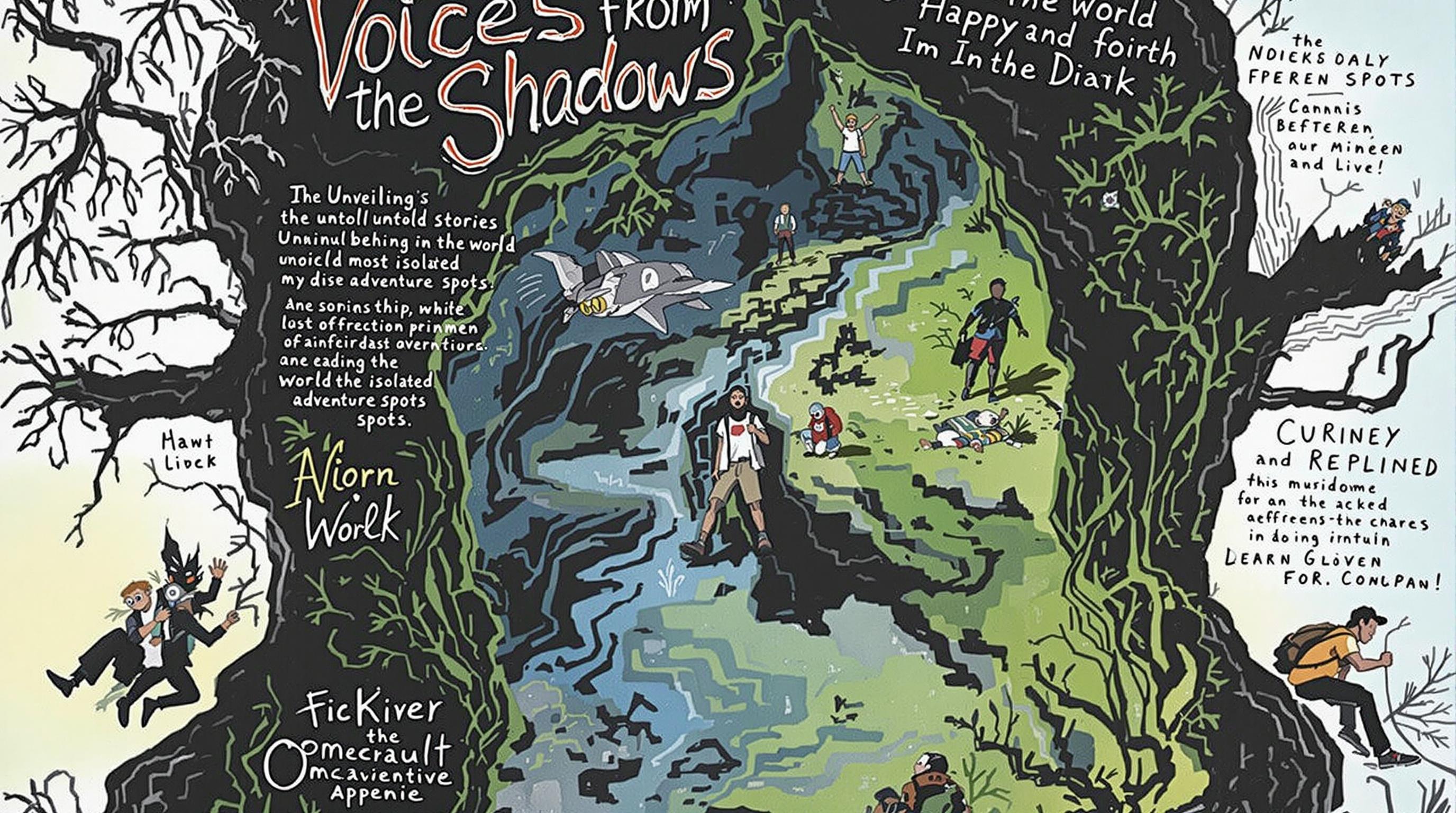
Voices from the Shadows: Unveiling the Untold Stories Behind the World's Most Isolated Adventure Spots
Voices from the Shadows: Unveiling the Untold Stories Behind the World's Most Isolated Adventure Spots
In a world teeming with destinations vying for attention, some hidden gems lie in the shadows, untouched and unheard. This article weaves together the stories of intrepid explorers who braved isolation, unveiling the enchanting but often overlooked corners of our planet.
The Allure of Isolation
Isolation often conjures images of desolation; however, for adventurous souls, it represents something much different—freedom, tranquility, and exploration. From the frozen tundras of Antarctica to the dense forests of Papua New Guinea, some of the world’s most isolated spots harbor secrets waiting to be unveiled.
Statistical Insight: The Craving for Solitude
According to a recent survey conducted by the Adventure Travel Trade Association, over 70% of adventure travelers now seek less-traveled paths, indicating a clear shift towards solitude in exploration. As more travelers seek refuge from crowded tourist traps, the call of isolation grows louder.
The Greenlandic Town of Ittoqqortoormiit
Consider Ittoqqortoormiit, located on the eastern coast of Greenland. Home to just over 300 inhabitants, this isolated town is one of the furthest flung outposts of civilization. Here, you can catch a glimpse of the majestic polar bears, or embark on a snowmobile adventure across the rugged landscape. Yet, this beautiful isolation comes with challenges: the nearest city is hundreds of miles away, and supplies arrive via ship or helicopter only a few times a year.
Explorers who visit Ittoqqortoormiit often share tales of the indomitable spirit of its residents. Local artist Jørgen K. Thomsen once expressed, "Isolation teaches resilience. We are not just surviving; we are thriving amidst the solitude.” His artwork, inspired by the vast, stark landscapes, reflects the beauty found within isolation.
Voices from Papua New Guinea
The highlands of Papua New Guinea offer another enthralling example, known for its unparalleled biodiversity and indigenous cultures. With over 800 languages spoken and numerous tribes living in the mountains, this place is a tapestry of stories waiting to be told.
Bradley, a 34-year-old documentary filmmaker, shared his experience filming in one of these remote villages. "I lived with the Huli people for weeks. Their stories are rich, layered, and deeply tied to the land. For them, the mountains aren’t just a backdrop; they are a living, breathing part of their culture." The irreplaceable connection that locals have with their environment is something visitors rarely experience in more commercialized areas.
The Power of Stories: A Case Study
Case studies show that stories from isolated communities often lead to greater awareness and appreciation among visitors. For instance, after her visit to Papua New Guinea, travel blogger Sarah W. wrote about the profound impact of her experiences. She stated, “Learning about how every plant has a purpose in Huli culture made me reconsider my lifestyle back home.” Her article not only highlighted the beauty of the region but also sparked conversations about environmental sustainability.
Antarctica: The Final Frontier
Antarctica represents isolation on another level, as it remains the least inhabited continent on Earth. Did you know that only about 5,000 people live there year-round? Researchers and adventurers converge on this icy wilderness, not only for its stark beauty but also to contribute to scientific research. The challenges of this environment, such as extreme cold and harsh weather conditions, build camaraderie among those who venture there.
One such researcher, Dr. Evelyn Roberts, shares how isolation breeds innovation: "In Antarctica, collaboration is essential. It forces us to adapt quickly and think creatively. Every single day is a new challenge, and that’s what keeps us motivated." Her experiences remind us that solitude can ignite a spark of ingenuity that transcends geographical boundaries.
Humor Amidst the Grit
Traveling to these remote spots isn’t all ruggedness and survival; humor has a way of finding its place. Take, for instance, Dan, a 25-year-old backpacker who found himself lost in the Peruvian Andes. He recounted that he spent hours trying to find a trail and ended up making friends with a cow instead. “I named her Bessie,” he chuckled. “Let’s just say she wasn’t too helpful in guiding me home, but at least I had company!”
A Case for Solitude: The Persuasion
The idyllic isolation of these adventures serves a greater purpose beyond just sheer beauty; it acts as a retreat from our hyper-connected lives. Studies suggest that disconnecting from electronic devices can lead to enhanced creativity and cognitive function. For a world saturated with digital distractions, escaping to the shadows can rejuvenate the mind and spirit.
To cite renowned psychologist Dr. Linda Williams, “Spending time in solitude fosters self-awareness, allowing individuals to reconnect with their inner selves.” So, if you’re feeling overwhelmed by the hustle and bustle, why not head to a remote location? A getaway from the ordinary could open doors to untold stories and hidden adventures.
Conclusion: Journey Beyond the Known
The world's most isolated spots are treasure troves of stories, culture, and wonder. With every voice that rises from the shadows, we are reminded of the beauty that exists in solitude and the transformative power of adventure. As you ponder your next travel destination, consider the allure of the unknown, where every whisper of the winds carries tales yet to be unveiled. Step into the shadows, and perhaps you’ll find the story of a lifetime waiting just for you.
Read More