Related Articles
- Navigating Ethical Travel: The Role of Arts and Crafts in Supporting Local Economies and Cultures
- Rediscovering Ancestral Routes: How Ancient Trails Offer Insights into Sustainable Travel Practices
- The Ethical Dilemma of Luxury Travel: Splurging or Supporting Sustainable Development?
- Navigating Ethical Dilemmas: The Quest for Authenticity in Local Food Experiences While Traveling
- Beyond the Facade: Exploring the Subsurface Infrastructure of Iconic Historical Structures
- Curiosities Unearthed: The Surprising Connections Between Historic Sites and Modern Art Movements
Rediscovering the Unseen: How Climate Change is Reshaping Our Perception of Cultural Heritage Sites
Rediscovering the Unseen: How Climate Change is Reshaping Our Perception of Cultural Heritage Sites
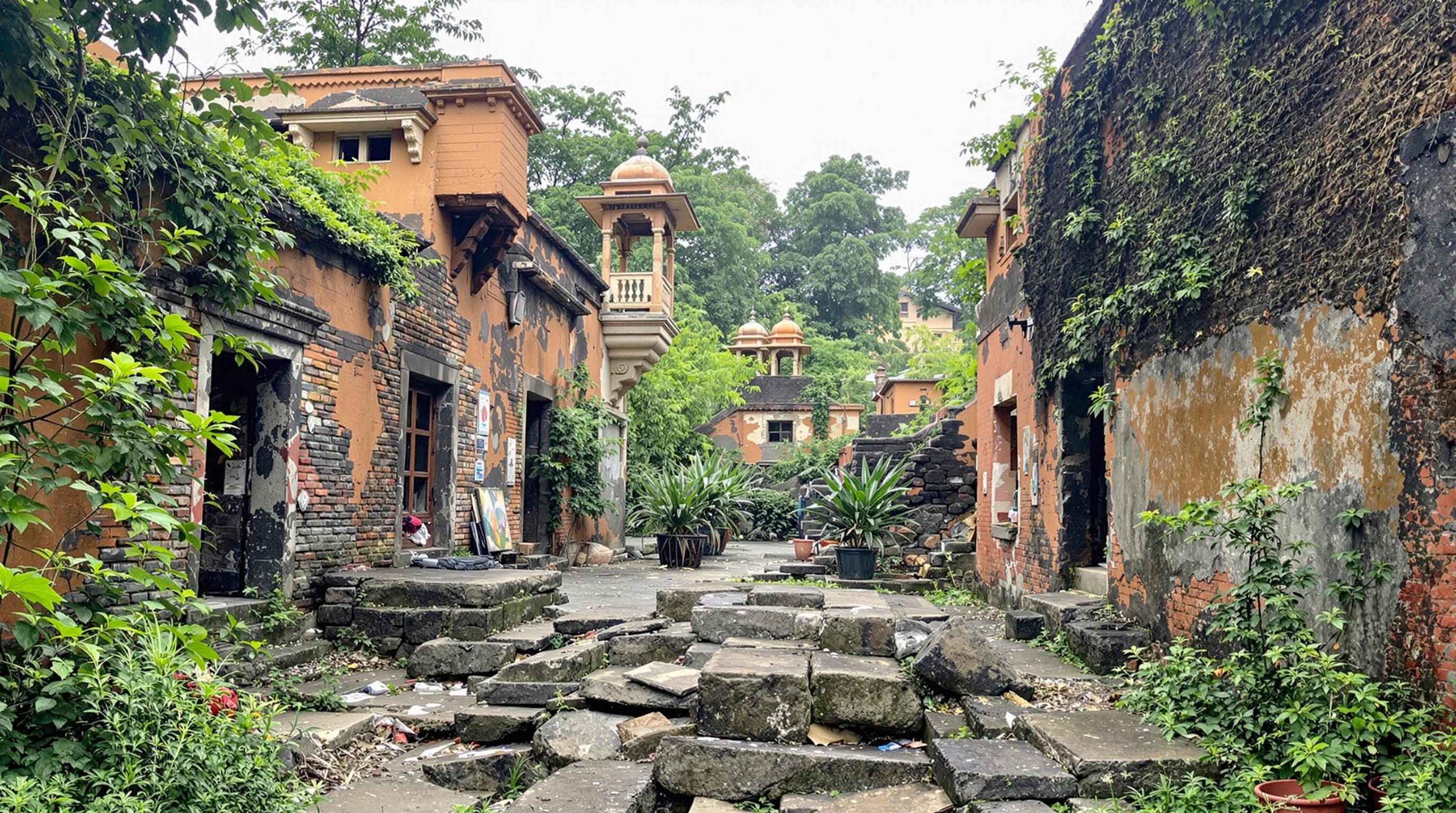
As climate change continues to transform our world, it is also reshaping how we perceive and value cultural heritage sites. By examining the intersection of environmental change and cultural preservation, we can better understand the invisible threads connecting our past, present, and future.
The Heartbeat of Culture: Why Heritage Matters
Imagine walking through an ancient site, feeling the echoes of history whisper through the stones. Cultural heritage sites are not merely relics of the past; they are part of our collective identity. They tell stories, traditions, and ideologies that shape who we are. However, as the climate continues to shift, many of these sites find themselves on the frontline of change, battling against the elements in a struggle to survive.
Uncovering the Cracks: The Impact of Climate Change
One of the most staggering statistics comes from UNESCO, which estimates that one-third of World Heritage Sites are endangered by climate change (UNESCO, 2019). Rising sea levels, increased flooding, and extreme weather events threaten their very existence. For instance, the iconic Venice, Italy, faces the dual threat of rising tides and increased tourism, which exacerbates the city's vulnerabilities. With over 60% of its buildings at risk of flooding, Venice serves as a striking example of how our cultural treasures are not indestructible.
Brief Anecdote: The Lament of Pompeii
In a quieter corner of Italy lies Pompeii, the city frozen in time by the eruption of Mount Vesuvius. But even this famed archaeological site isn't immune to climate change. Heavy rainfall and transformed landscapes have begun to wear away at the very structures that tell its story. Local archaeologist Dr. Marianna Russo explained, "We are fighting an uphill battle. The preservation efforts we undertake today may be rendered futile tomorrow if we don’t address the climate crisis." What a poetic reminder of how interconnected we are with history!
Changing Perspectives: Cultural Heritage in a New Light
As these sites increasingly confront nature's fury, our perception of them is also shifting. No longer are they solely viewed through the lens of pleasure or aesthetic appreciation; they become battlegrounds for survival. This brings forth a crucial question: how do we value the stories embedded in these sites when their very fabric is fading away?
A Conversational Take: Who Knew Heritage Could Be So Vulnerable?
Seriously, who would have thought that the ruins of ancient cities could be at the mercy of rising temperatures and wild weather? It's like finding out your grandmother's heirloom china isn’t as sturdy as you thought—profoundly concerning! Heritage sites give us such a strong sense of place and identity, and to see them stressed by climate change is pretty alarming. What can we do, you ask? Well, let's explore it together!
The Role of Technology: A Futuristic Approach
Technology can be a powerful ally in the fight to preserve cultural heritage. For instance, advanced scanning methods allow us to create digital replicas of sites like the cave paintings in Lascaux, France, before they deteriorate further due to mold and humidity. These digital copies not only serve as backups but also provide an opportunity for wider audiences to experience and appreciate these irreplaceable artworks without physical wear. Imagine one day, almost like putting on VR goggles, where you can walk through historical representations of these places!
Engaging the Community: A Shared Responsibility
The task of preserving cultural heritage sites shouldn't solely fall on the shoulders of preservationists and governments; the role of local communities is paramount. A successful case study is the community-led project in the Andean region, where local farmers and indigenous groups have collaborated to restore ancient agricultural terraces, known as "andenes," that had suffered from erosion due to heavy rains. By reconnecting people with their cultural roots, these communities promote sustainable practices that not only safeguard their heritage but also combat climate change(FAO, 2020). Now that's a win-win!
Statistics That Hit Home
According to a report by the National Parks Conservation Association, approximately 73% of parks in the U.S., which house cultural heritage sites, are already experiencing adverse effects due to climate change (NPCA, 2020). Do you feel that sense of urgency? It’s essential to heed these warnings—many of us grew up in the shadow of historical sites, yet we may not realize just how fragile they are!
From Grieving to Acting: A Shift in Public Sentiment
As citizens become more aware of climate change’s impact on cultural landmarks, the narrative is shifting from a passive acknowledgment to active engagement. Social media campaigns and grassroots movements have emerged to rally support for these sites. In fact, the #SaveOurSites movement has gained traction, becoming a rallying point for environmentalists and history enthusiasts alike. A coalition of young activists now champions efforts to halt destructive developments that threaten their local heritage, directly linking cultural preservation to a broader conversation about climate action.
Humor in Heritage: A Comedic Twist
Okay, let’s be real. How many of you have taken a vacation to a world-famous heritage site and snapped a picture only to realize that your thumb was covering the lens? The irony is that we often take such places for granted, only to later realize that they are at risk! This might be a humorous mishap for us travelers, but for many, it highlights a crucial point: cultural heritage deserves our immediate attention before it becomes nothing more than a thumbprint in history.
Future Considerations: What Lies Ahead?
As we stand at the precipice of change, envisioning future partnerships between climate scientists, historians, and local communities is essential. By integrating adaptive management strategies, like improving drainage systems at archaeological sites prone to flooding or using resistant materials for restoration work, we can stem the tide of degradation. It’s a precarious dance where collaboration is key. Together, we can craft strategies that balance preservation with climate resilience. They say it takes a village; I say it takes a world!
Personal Reflections: A Dewdrop on a Leaf
As a 25-year-old writer, every time I think about the effects of climate change, especially on cultural heritage sites, I just can't help but reflect on all the places I’ve yet to experience. Will they still be there for future generations? Will today's youth glimpse the same historical beauty that has captivated so many before them? It fills me with a sense of urgency to act. After all, we owe it to future historians and adventurers to ensure that our shared heritage survives beyond our lifetimes!
Conclusion: A Call to Action
In conclusion, as climate change continues to reshape the physical and cultural landscapes of our world, it also prompts us to reconsider our relationship with cultural heritage sites. They stand not only as shards of our past but as vital connections to our identity. The perceived invulnerability of these sites has proven to be an illusion, and with every passing day, the threat becomes more pronounced. But with awareness, technology, and small community efforts, we can forge a resilient future for our cultural treasures. Let’s not simply stand on the sidelines—get involved, advocate for preservation, and remember: our actions today dictate what the world will look like tomorrow.
Read More