Related Articles
- Navigating Ethical Travel: The Role of Arts and Crafts in Supporting Local Economies and Cultures
- Rediscovering Ancestral Routes: How Ancient Trails Offer Insights into Sustainable Travel Practices
- The Ethical Dilemma of Luxury Travel: Splurging or Supporting Sustainable Development?
- Navigating Ethical Dilemmas: The Quest for Authenticity in Local Food Experiences While Traveling
- Beyond the Facade: Exploring the Subsurface Infrastructure of Iconic Historical Structures
- Curiosities Unearthed: The Surprising Connections Between Historic Sites and Modern Art Movements
Unconventional Rebirth: How Abandoned Landmarks Find New Life in Modern Urban Culture
Unconventional Rebirth: How Abandoned Landmarks Find New Life in Modern Urban Culture
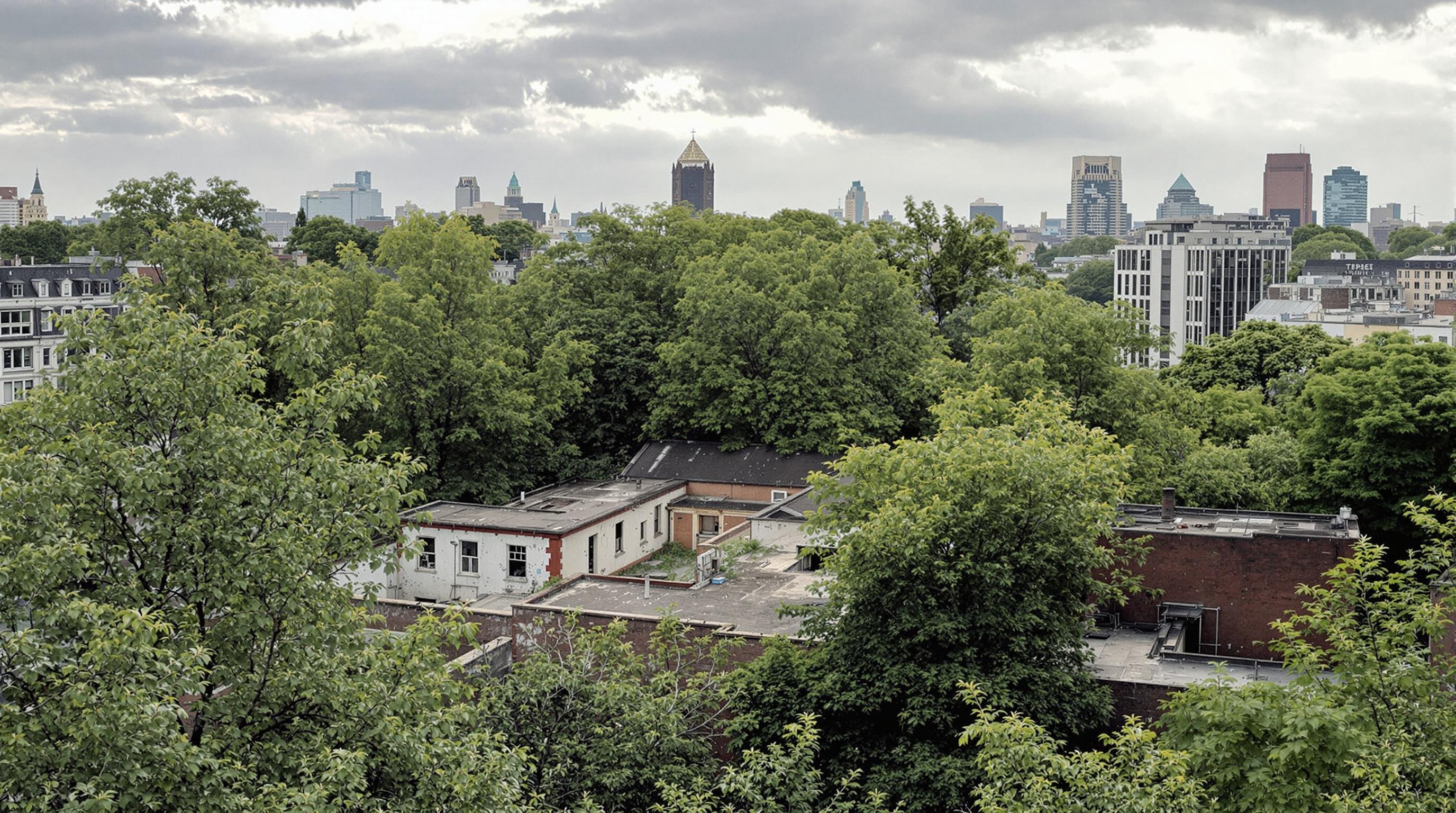
Abandoned landmarks often tell stories of the past, but innovative urban culture has breathed new life into these forgotten spaces. From repurposed factories to vintage theaters, each revitalized site offers a unique blend of nostalgia and modern creativity.
Understanding Urban Decay: A Problem Worth Addressing
Urban decay refers to the decline of a city or region as a result of various social and economic factors. In the United States alone, millions of square feet of commercial space sit underutilized, with a staggering 11.1% of retail space vacant as of early 2023 (U.S. Census Bureau). This phenomenon has led communities to seek solutions that can transform these non-functional spaces into thriving hubs.
Case Study: The High Line in New York City
New York City’s High Line is a prime example of how abandoned infrastructure can be revitalized into a public space that bolsters urban culture. Originally constructed in the 1930s as an elevated freight rail line, the structure was slated for demolition by the early 2000s. However, a collective campaign led by community members and visionary architects converted it into a beautiful linear park, which opened to the public in 2009.
Today, the High Line boasts more than 1.5 million visitors annually and has spurred over $2 billion in surrounding property value (NYC Department of Parks & Recreation). It stands not only as a testament to greener urban planning but also as an embodiment of how cities can embrace their histories while paving the way for future innovation.
A New Wave of Creativity: Art Installations and Cultural Spaces
Places like the High Line have inspired a plethora of art installations and creative spaces around the world. For example, the Tate Modern in London, once a disused power station, has become a premier gallery for modern art. The transformation of such spaces illustrates that art can incubate in places that were once deemed obsolete.
The ongoing “Ruins of Detroit” project is another compelling example. Abandoned factories are being transformed into vibrant community art spaces and galleries, where local artists can showcase their work. These projects have converted derelict environments into canvases, breathing life into areas that once echoed with industrial labor.
Environmental Impact: The Green Rebirth
Repurposing abandoned landmarks also holds significant environmental advantages. The process of demolishing old structures contributes to pollution and landfill waste. However, by refurbishing existing properties, cities not only maintain their historical narratives but also reduce their environmental footprint.
According to the National Trust for Historic Preservation, historic rehabilitation can be 20-30% less carbon-intensive than new construction—a fact that’s becoming increasingly important in today’s climate-conscious society. This paradigm shift toward sustainability is not just a trend; it’s a necessity for future urban living.
Utilizing Technology for Modern Revival
Technology plays a critical role in revitalizing abandoned spaces. The integration of augmented reality (AR) and virtual reality (VR) during restoration processes provides engineers and architects with enhanced visualization tools, making it easier to imagine how transformed spaces will look and function. This technology was notably used in the redevelopment of the historic Gasworks Arts Park in Melbourne, Australia.
Furthermore, innovative platforms have made it possible for community members to participate in the regeneration process. Through crowdfunding and social media, local residents can support and shape projects that are meaningful to them, ensuring that the revitalization aligns with community interests rather than top-down impositions.
Stories of Transformation: The Château de Chenonceau
In France, historic estates are being transformed into modern-day venues for cultural celebrations. The famous Château de Chenonceau, originally built in the 16th century, now not only serves tourists eager to glimpse a slice of French history, but hosts contemporary art exhibitions and high-end dining experiences. This blend of old and new not only attracts visitors from all over the world but also continually reinforces the landmark's cultural relevance.
Converse and Connect: Community-Centric Revitalization
Engaging local communities in revitalization projects adds layers of significance. When people see their collective efforts transformed into communal spaces, it fosters pride and ownership in their cultural narratives. Projects such as the Eden Project in Cornwall, which transformed a former clay pit into a vibrant ecological park, exemplify how community involvement can lead to rebirths that are both engaging and educational.
Bringing Nostalgia Back: Coffee Shops in Historic Buildings
Never underestimate the power of nostalgia! Coffee shops housed in old industrial buildings or theaters create an ambiance that resonates with patrons. Consider the success of the “Penny Lane” café in Liverpool, UK, styled after Beatles-era memorabilia. This charming establishment attracts both local coffee lovers and tourism enthusiasts, merging the rich cultural heritage with contemporary social vibrancy.
The Economic Boon of Reclaimed Spaces
According to the National Main Street Center, communities implementing such revitalization projects see property values increase by as much as 30%. These ventures can serve as economic engines, creating jobs and stimulating local economies by attracting tourism and new businesses. And who doesn’t love a good cup of artisanal coffee in a chic, renovated warehouse?
Humor in History: A Quirky Twist on Abandoned Spaces
Sometimes, humor plays an unexpected role in urban revitalization. Take the “Abandoned Bingo” phenomenon in various cities where enthusiasts gather to document and photograph forgotten structures. They’ve coined phrases like “I went to the abandoned mall, and all I got was this lousy T-shirt.” An ironic twist, reminding us how humor can make even the most mundane aspects of urban decay entertaining!
Altering Perspectives: Why We Should Care
Every abandoned building has a story to tell, and with today's trend of revitalizing these spaces, it's becoming increasingly critical to cultivate an awareness of their significance. Individuals aged 16-70 should all take note! The transformation of these sites is symbolic of resilience, creativity, and the ever-evolving nature of our communities. Each revitalized landmark is an open invitation for younger generations to engage and reshape the narrative of their respective neighborhoods.
Communities are more than just bricks and mortar; they are narratives woven together through shared experiences and histories. When we allow abandoned landmarks to morph into cultural spaces, we honor the past while creating room for modern expressions of creativity and community. So the next time you encounter an abandoned site, ponder how it might be transformed—a gallery, a park, perhaps a quirky café where memories are brewed alongside every cup of coffee.
Conclusion: The Future of Urban Regeneration
As we stand at the intersection of nostalgia and innovation, it becomes apparent that the potential for revitalizing abandoned landmarks is limitless. Urban spaces can transform into vibrant cultural centers, drawing on their historical roots while embracing modernity. The journey of reinvention is ongoing, and there are endless stories waiting to be penned within the walls of forgotten places.
In the words of Ibn Battuta, “Traveling—it leaves you speechless, then turns you into a storyteller.” Let us continue to explore these urban landscapes and weave new tales of rebirth in the chronicles of our cities.
Read More