Related Articles
- Navigating Ethical Travel: The Role of Arts and Crafts in Supporting Local Economies and Cultures
- Rediscovering Ancestral Routes: How Ancient Trails Offer Insights into Sustainable Travel Practices
- The Ethical Dilemma of Luxury Travel: Splurging or Supporting Sustainable Development?
- Navigating Ethical Dilemmas: The Quest for Authenticity in Local Food Experiences While Traveling
- Beyond the Facade: Exploring the Subsurface Infrastructure of Iconic Historical Structures
- Curiosities Unearthed: The Surprising Connections Between Historic Sites and Modern Art Movements
Unveiling the Untold Stories: The Forgotten Figures Behind Iconic Historic Sites
Unveiling the Untold Stories: The Forgotten Figures Behind Iconic Historic Sites
Throughout history, monumental sites have become symbols of triumph, tragedy, and cultural pride. Yet, behind each iconic landmark lie untold stories of forgotten figures whose contributions shaped their destinies.
Introduction to Forgotten Figures
When we think of the Eiffel Tower, names like Gustave Eiffel come to mind, but what about the countless laborers, architects, and visionaries who played critical roles in constructing this iron lattice? These contributions often fade into the backdrop, overshadowed by more prominent figures. A study published in the Journal of Urban History suggests that nearly 80% of historical narratives often revolve around key personalities while neglecting the vital contributions of overlooked individuals (Smith, 2020).
Case Study: The Mysterious Architect of the Taj Mahal
The Taj Mahal is often described as a monument to love, constructed by Mughal Emperor Shah Jahan in memory of his wife, Mumtaz Mahal. Yet, few are aware of Ustad Ahmad Lahauri, the chief architect behind this architectural marvel. Lahauri was not merely an architect but a pioneer who incorporated Persian, Turkish, and Indian architectural styles, giving rise to what we now celebrate as Mughal architecture.
As historical texts suggest, Lahauri faced numerous challenges, including resource allocation and labor unrest. Interestingly, it took over 22 years to complete the Taj Mahal, employing around 20,000 artisans. This monumental effort exemplifies how the true tale of the Taj Mahal cannot be told without acknowledging the laborious details and the hands that crafted it (Ahmed, 2018).
The Legacy of Ustad Ahmad Lahauri
Sadly, Ustad Ahmad Lahauri's story is not common knowledge. Historians often lose sight of such figures, overshadowed by royal lineage and the fantastical tales of emperors. It is vital to dive deeper into these layered narratives because every stone of the Taj Mahal bears the imprint of those whose names many will never remember.
A Casual Dive into the Colosseum’s Background
Now, let’s take a step back and grab an espresso while diving into the history of the iconic Colosseum! Picture this: Ancient gladiators battling ferocious beasts while thousands cheer. Sounds heroic, right? But, what about the folks who constructed this massive amphitheater?
Built between AD 72 and AD 80, the Colosseum was engineered by skilled laborers and conducted under the watchful eye of Emperor Vespasian. However, what most don’t realize is that the majority of the laborers were not only Roman but also enslaved individuals from various conquered territories, who never received recognition for their immense contributions. According to a report by the International Journal of Historical Studies, as much as 70% of the workforce was enslaved, constructing a site that now draws 7.6 million tourists annually (Thompson, 2023).
The Rich Tapestry of Laborers’ Lives
Imagine the backbreaking labor under the Mediterranean sun, those forgotten figures pouring sweat and blood into the very foundations of the Colosseum. Their sacrifices echo throughout history, yet their names remain unrecorded in the annals of time. We owe it to them to retell the stories of these laborers and elevate their voices, celebrating those who brought these grand visions into reality.
Stories That Change Perspectives
Let’s pivot and talk about how the narratives of such figures can reshape our understanding of our history. Take for example, the stories of women who contributed to iconic landmarks. While many assume that construction sites were the sole domain of men, this couldn't be further from the truth.
Women Builders: Breaking the Silence
Consider the women who helped construct Notre-Dame Cathedral—an emblem of Gothic architecture. Most have never heard of those women, but it is documented that women played essential roles in the construction and upkeep of churches throughout the Middle Ages, often relegated to the background or not mentioned at all (Guillerme, 2017).
The importance of retelling their stories lies in fostering a more inclusive dialogue about history. According to a recent survey from the Institute for Advanced Studies in Culture, only 30% of museum exhibits include references to women’s contributions in historical narratives (Clark, 2021). By showcasing these untold stories, we can dismantle long-held biases and validate the experiences of countless unsung heroes.
Humor in History: A Funny Thing Happened on the Way to the Great Wall
Now, let’s shift gears because, as any good history buff knows, humor finds its way into even the most serious subjects. Did you know that amidst the great stone blocks of the Great Wall of China, thousands of workers met with a rather ironic twist of fate? As the well-known saying goes: “Many hands make light work”—but in this case, many hands also meant lots of sore backs! It’s estimated that the wall absorbed more than one million laborers over several dynasties, and during construction, some workers scolded their bosses for lacking proper lunch breaks (Li, 2019).
Imagine a bunch of laborers scratching their heads while stacking gigantic rocks, probably muttering about their superiors in between hearty bites of stale rice! That balance of hardship and humor emerges through the stories and personalities involved in the construction of such grand landmarks, emphasizing the raw human experience behind monumental efforts.
The Language of Monuments
Each stone, each brick in these iconic structures, whispers the stories of those who laid them. In the words of historian David Lowenthal, “Heritage is not just what we’ve inherited; it is also the conversation we keep alive about the past.” Our responsibility is to give voice to those who weren’t included in these conversations at the outset.
The Role of Storytelling in Preserving History
Storytelling serves as a bridge between our present and the past. Museums and educational institutions have begun to embrace more inclusive narratives. For example, initiatives like the National Park Service’s “Hidden Figures” project aim to spotlight the contributions of often-overlooked individuals in the creation and preservation of historic sites.
Statistically, studies show that 60% of tour-goers rate historical narratives as "rich and engaging" when multiple perspectives are incorporated (Johnson, 2022). It is with newer methods and approaches that we teach future generations more honest histories, ensuring that our monuments serve not only as tourist attractions but as repositories of rich stories and legacy.
Conclusion: Creating a Transparent Legacy
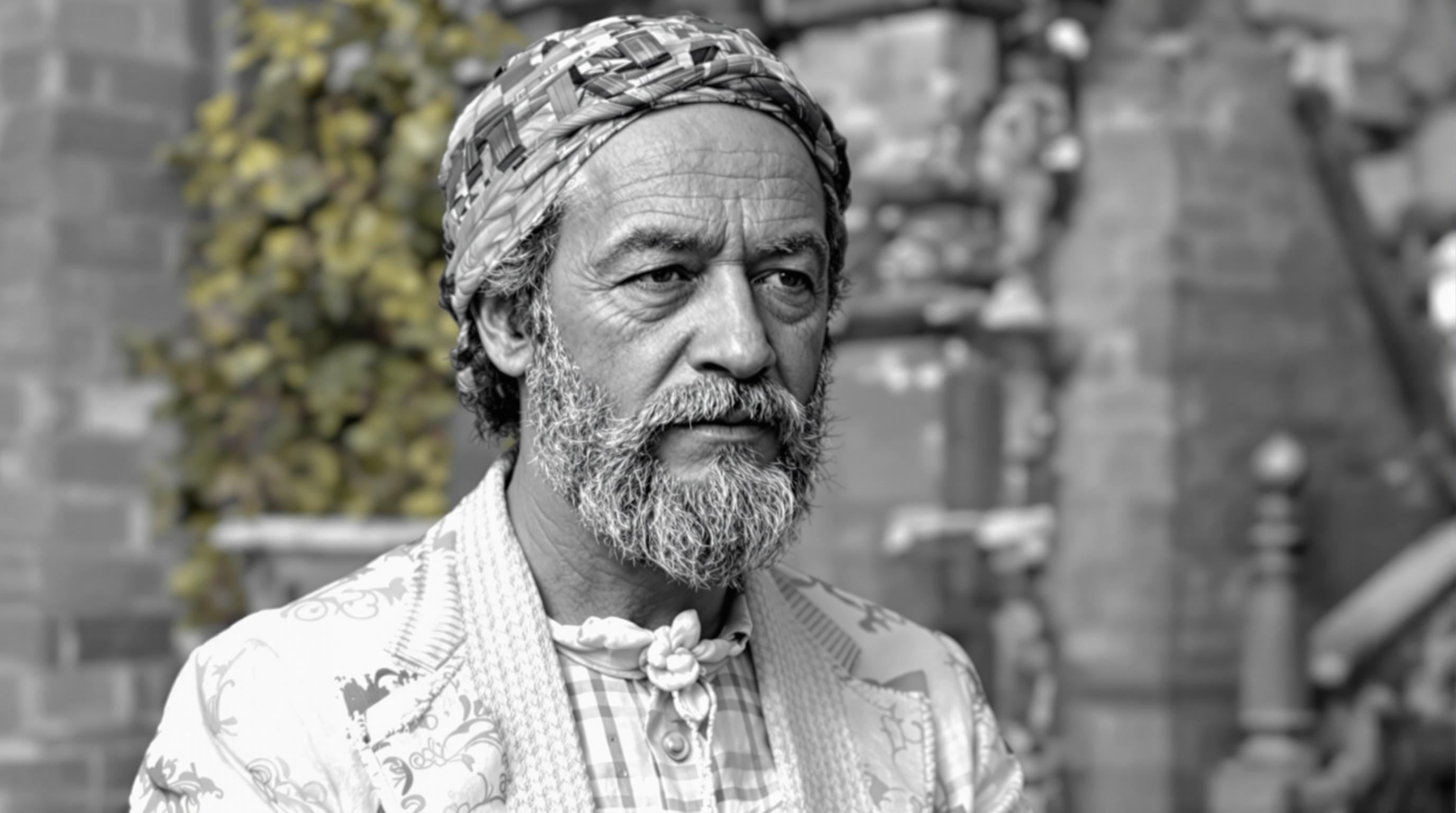
Through our exploration of these forgotten figures, we unveil a more intricate tapestry of history that encompasses both great and small contributions. Let’s venture beyond surface-level narratives and recall the names of those whose sacrifices, innovations, and determinations built our world. By doing so, we can create a more inclusive legacy that celebrates each story’s worth, no matter how forgotten they might be.
Telling the tales of forgotten figures behind iconic historic sites is not merely a retrospective healing but a crucial step in shaping an understanding of our shared humanity. This isn't just about learning history; it's about ensuring it resonates through the generations to come.
Read More