Related Articles
- Navigating Ethical Travel: The Role of Arts and Crafts in Supporting Local Economies and Cultures
- Rediscovering Ancestral Routes: How Ancient Trails Offer Insights into Sustainable Travel Practices
- The Ethical Dilemma of Luxury Travel: Splurging or Supporting Sustainable Development?
- Navigating Ethical Dilemmas: The Quest for Authenticity in Local Food Experiences While Traveling
- Beyond the Facade: Exploring the Subsurface Infrastructure of Iconic Historical Structures
- Curiosities Unearthed: The Surprising Connections Between Historic Sites and Modern Art Movements
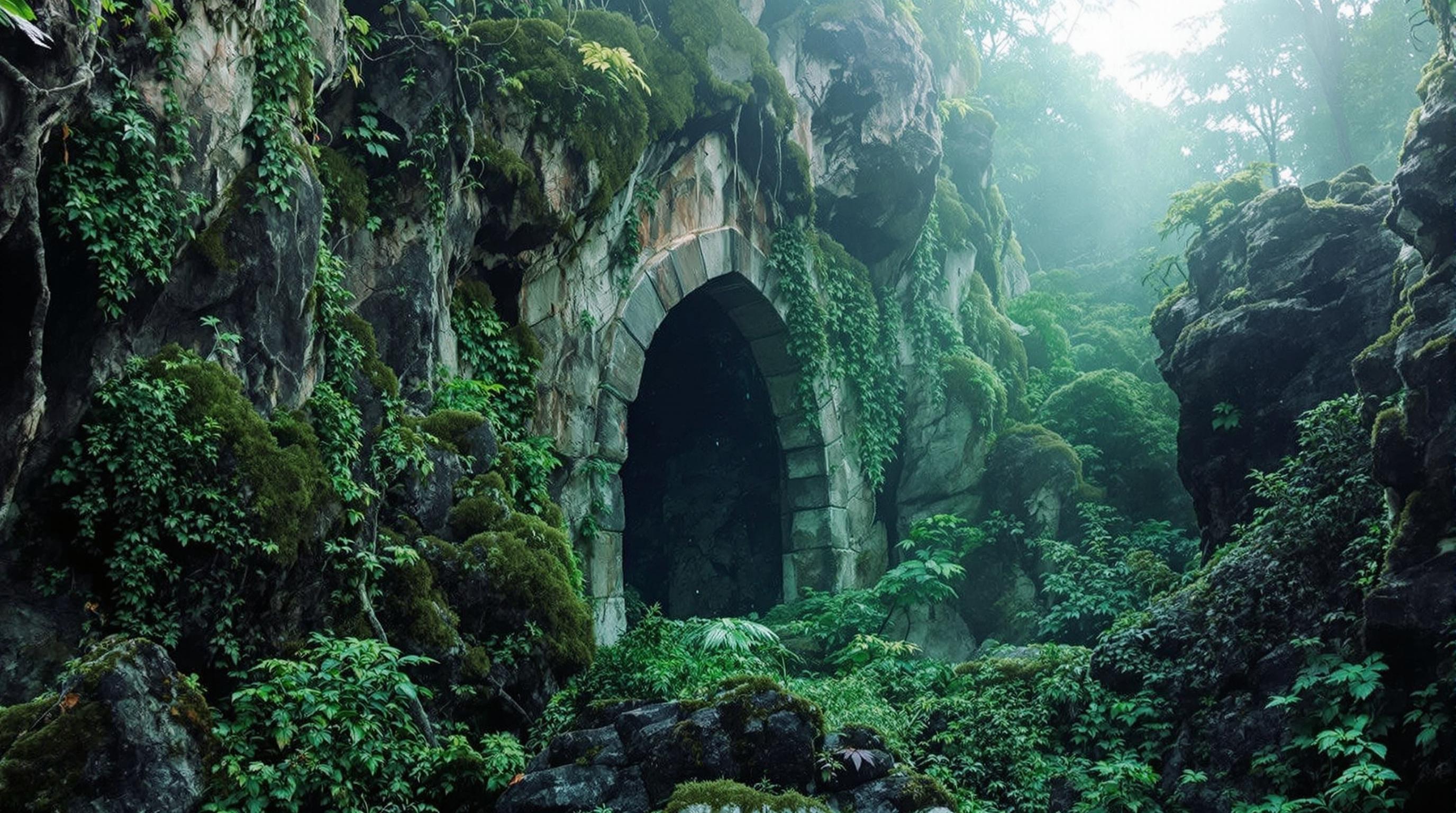
10 Enigmatic Adventure Sanctuaries: Discovering the World's Most Intriguing and Mysterious Destinations for the Curious Explorer
10 Enigmatic Adventure Sanctuaries: Discovering the World's Most Intriguing and Mysterious Destinations for the Curious Explorer
10 Enigmatic Adventure Sanctuaries: Discovering the World's Most Intriguing and Mysterious Destinations for the Curious Explorer
1. Machu Picchu, Peru
Nestled high in the Andes Mountains, Machu Picchu is a 15th-century Inca citadel that remains one of the most iconic archaeological sites in the world. The site’s remote location and stunning vistas make it an irresistible destination for adventurers and historians alike. Surrounded by misty peaks and lush cloud forests, it offers a magical blend of natural beauty and cultural richness.
The mysteries of Machu Picchu extend beyond its breathtaking views; the site's purpose and the intricacies of its construction continue to puzzle researchers. This ancient city was largely hidden until its rediscovery in 1911 by Hiram Bingham, who brought it to the attention of the outside world. Today, visitors are drawn not only to its grand architecture but also to the enigma of its origins.
For those wishing to explore Machu Picchu, hiking the Inca Trail offers a fitting adventure. The four-day trek leads through diverse ecosystems and fascinating ruins, culminating in a sunrise view of the iconic citadel. Alternatively, visitors can take the Vistadome train for a scenic journey, but arriving early is recommended to capture the site's serene beauty before the crowds descend.
2. Easter Island, Chile
Famous for its massive stone statues known as moai, Easter Island, or Rapa Nui, is one of the most isolated inhabited islands in the world. The island's mysterious culture and the history behind the moai have fascinated travelers for centuries. Standing in silhouette against the Pacific Ocean, these statues are a testament to the ingenuity of the island's early inhabitants.
The construction and transportation of the moai remain topics of speculation. Some theories suggest that the islanders used sophisticated methods to move these enormous sculptures, while others believe they had a spiritual or religious significance. This air of mystery enhances the allure of Easter Island, making it a prime destination for explorers eager to uncover its secrets.
Traveling through this remote paradise, visitors can immerse themselves in the unique Polynesian culture, enjoy local cuisine, and explore coastal landscapes rich with archaeological treasures. The island offers a rare blend of adventure, mystique, and natural beauty—all woven together by the indelible presence of the moai.
3. The Nazca Lines, Peru
Hidden in the arid plains of southern Peru, the Nazca Lines are a series of ancient geoglyphs that span across hundreds of square kilometers. Created between 500 BCE and 500 CE, these intricate designs include everything from simple lines to complex figures of animals and plants. Their purpose remains a mystery, capturing the imaginations of scientists and enthusiasts alike.
Many theories abound regarding the significance of the Nazca Lines. Some suggest they were astronomical calendars, while others propose they were religious symbols or water-related rituals. To truly appreciate their scale and design, travelers often seek aerial views via small planes, revealing the full artistry of this enigmatic site.
Visiting the Nazca Lines is a journey into an ancient world shrouded in mystery. The surrounding region is also home to desert landscapes, archaeological sites, and local culture, offering adventurers a chance to deepen their understanding of the history and environment of this extraordinary area.
4. Stonehenge, England
Stonehenge, an iconic monument situated on the Salisbury Plain in England, is known for its massive stone circle and its enigmatic origins. Believed to have been constructed around 3000 BCE, the purpose of Stonehenge has long intrigued historians and archaeologists. Theories suggest it served as a religious site, an astronomical observatory, or even a burial ground.
The size and precision of the stones lend credence to the engineering skills of the prehistoric people who built it. The alignment of Stonehenge with solar events, particularly the summer solstice, hints at a sophisticated understanding of astronomy. As one stands among the towering stones, there is a palpable sense of connection to the ancient past.
Visiting Stonehenge is not just a journey through history; it’s an invitation to ponder the mysteries of human creativity and spirituality. Nearby, the charming villages and landscapes of Wiltshire provide the perfect backdrop for those wishing to explore further and deepen their appreciation for this UNESCO World Heritage Site.
5. The Bermuda Triangle
The Bermuda Triangle, a region in the western part of the North Atlantic Ocean, is infamous for the mysterious disappearances of ships and airplanes. Spanning roughly between Miami, Bermuda, and San Juan, Puerto Rico, this area has garnered a reputation that captures the imagination of adventurers and mystery-seekers.
Despite numerous theories ranging from magnetic anomalies to alien abductions, there is little scientific evidence to support most of the claims surrounding the Bermuda Triangle. However, the mystique of the area remains compelling, making it a popular destination for explorers interested in maritime legends and natural phenomena.
Visitors can enjoy various activities in the region, from snorkeling in coral reefs to exploring the jungles of nearby islands. While the mystery of the Bermuda Triangle persists, those who venture here will discover stunning beaches and vivid marine life, inviting them to create their own tales of adventure.
6. The Great Pyramids of Giza, Egypt
The Great Pyramids of Giza are one of the Seven Wonders of the Ancient World and continue to inspire travelers with their grandeur and historical significance. Built as tombs for pharaohs, these massive structures have stood the test of time and are surrounded by legends and theories about their construction and purpose.
Despite extensive research, many aspects of the pyramids remain unsolved, including the methods used to transport and position the immense stones. Some propose that a sophisticated system of ramps and labor organization was key to their construction, while others speculate about potential extraterrestrial involvement or advanced ancient technology.
Exploring the Giza Plateau offers visitors a glimpse into the grandeur of ancient Egypt, complete with the Sphinx and a range of fascinating tombs. The experience of standing before these iconic monuments is nothing short of awe-inspiring, making it a must-visit for any curious explorer.
7. Teotihuacan, Mexico
The ancient city of Teotihuacan, located just north of Mexico City, is one of the largest and most fascinating archaeological sites in the Americas. Known for its monumental architecture, including the Pyramid of the Sun and the Pyramid of the Moon, this city flourished between 100 BCE and 750 CE, yet much of its history remains shrouded in mystery.
The identity of the city's builders and the reasons for its decline are still subjects of debate among archaeologists. Teotihuacan is notable for its sophisticated urban layout and extensive trade network, suggesting a highly developed society. Visitors can walk the Avenue of the Dead and marvel at the elaborate murals that hint at the ceremonial importance of this ancient city.
Explorers visiting Teotihuacan can ascend the towering pyramids for breathtaking views and reflect on the lives of those who once inhabited this vibrant city. The rich history, combined with the allure of its unanswered questions, makes Teotihuacan a compelling destination for adventure seekers.
8. Angkor Wat, Cambodia
Angkor Wat, originally constructed as a Hindu temple complex in the 12th century, later transitioned to a Buddhist site and remains one of the largest religious monuments in the world. Surrounded by jungle, this UNESCO World Heritage Site is a symbol of Cambodia’s rich history and architectural achievement, drawing countless visitors eager to uncover its mysteries.
The intricacies of the temple's design, including intricate stone carvings and vast gallery halls, showcase the ingenuity of its builders. Legends and spiritual beliefs woven into the structure's design spark curiosity about its purpose and the society that created it. The layout of Angkor Wat is also astronomically aligned, suggesting deeper meanings behind its construction.
Exploring Angkor Wat is a mesmerizing experience; visitors often spend days wandering through its expansive grounds and soaking in the tranquil atmosphere. The surrounding temples of the Angkor Archaeological Park add to the allure, with opportunities for exploration and cultural enrichment around every corner.
9. Petra, Jordan
Petra, the 'Rose City' carved into the cliffs of southern Jordan, is one of the most famous archaeological sites in the world. Established by the Nabataeans in the 5th century BCE, its stunning rock-cut architecture and water conduit system showcase the ingenuity of this ancient civilization. The site's rediscovery in the early 19th century reawakened global fascination with its mysteries.
The exact reasons behind Petra's decline post-Roman Empire remain a topic of intrigue. This ancient crossroads of trade and culture boasts a unique blend of influences from various civilizations. As explorers walk through the narrow passage of the Siq and emerge at the iconic Treasury, a sense of awe and wonder fills the air.
Visitors to Petra can embark on an exploration filled with adventure, from hiking the steep trails to the Monastery to discovering lesser-known ruins off the beaten path. The captivating landscapes of southwestern Jordan combined with Petra's rich history ensure a memorable journey for every curious traveler.
10. The Lost City of Atlantis
The myth of Atlantis, an advanced civilization that supposedly sank into the ocean, has captivated imaginations for millennia. First described by the philosopher Plato, Atlantis represents the ultimate enigma beyond any known location. While many theories suggest possible locations—ranging from the Caribbean to Antarctica—the actual existence of Atlantis remains a subject of debate.
Explorers interested in this legendary city often find themselves drawn to various sites that share traits claimed by Plato: advanced societies, mysterious disappearances, and sunken ruins. Although no definitive evidence exists to prove Atlantis’s existence, the quest to discover it inspires adventurers to explore the ocean depths, uncover lost shipwrecks, or seek out ancient coastal cities.
The allure of the unknown continues to attract mystery seekers to the myths surrounding Atlantis. Exploring coastal regions and engaging in underwater expeditions can offer a sense of adventure and intrigue—perfect for those who wish to tread the same waters as lost legends.
Read More