Related Articles
- Navigating Ethical Travel: The Role of Arts and Crafts in Supporting Local Economies and Cultures
- Rediscovering Ancestral Routes: How Ancient Trails Offer Insights into Sustainable Travel Practices
- The Ethical Dilemma of Luxury Travel: Splurging or Supporting Sustainable Development?
- Navigating Ethical Dilemmas: The Quest for Authenticity in Local Food Experiences While Traveling
- Beyond the Facade: Exploring the Subsurface Infrastructure of Iconic Historical Structures
- Curiosities Unearthed: The Surprising Connections Between Historic Sites and Modern Art Movements
12 Enigmatic Inscriptions: Decoding the Untold Stories Behind Historic Landmarks Across Cultures
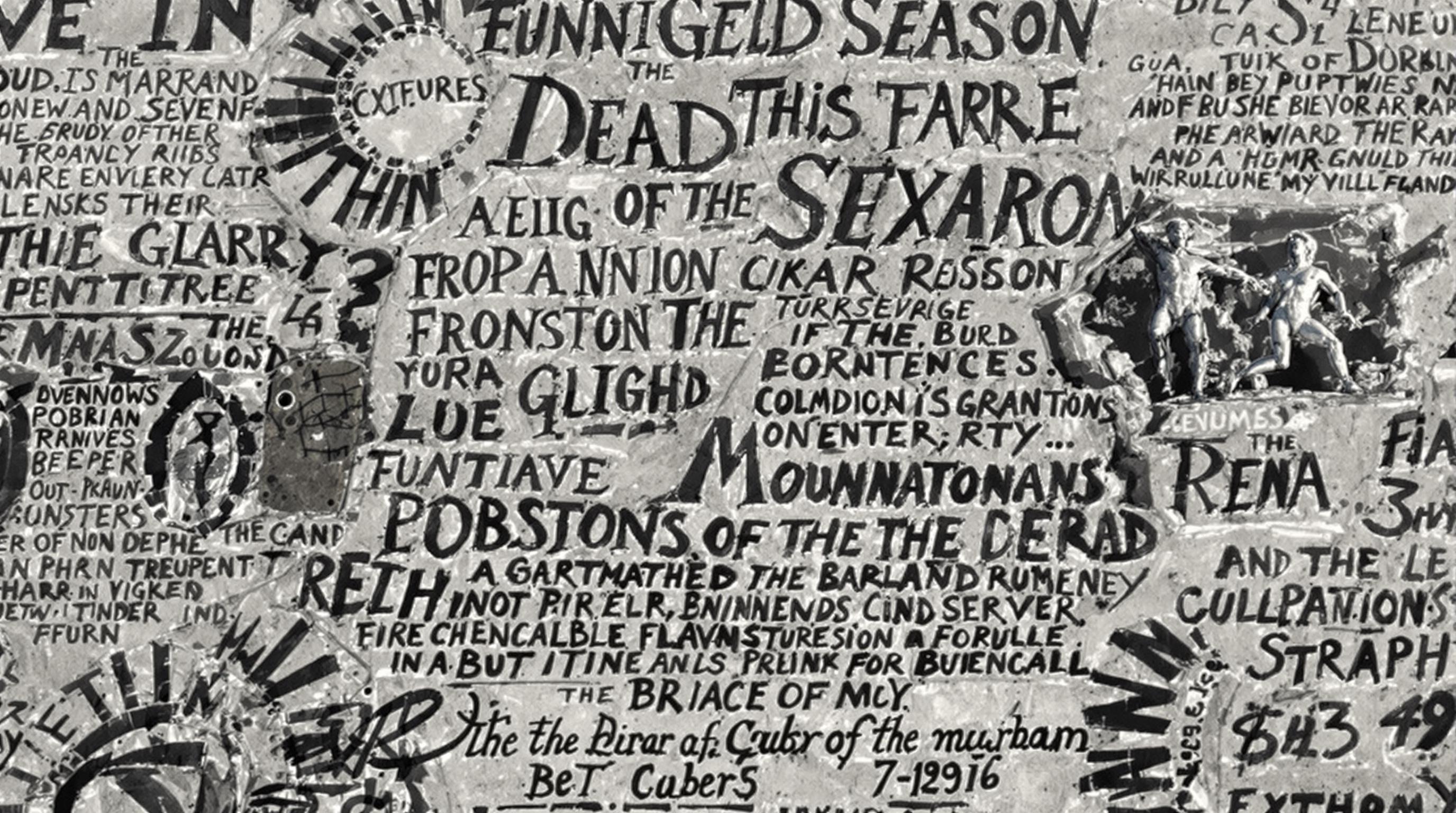
12 Enigmatic Inscriptions: Decoding the Untold Stories Behind Historic Landmarks Across Cultures
12 Enigmatic Inscriptions: Decoding the Untold Stories Behind Historic Landmarks Across Cultures
Introduction to Inscriptions
Inscriptions have long been a vital medium for historical expression, serving as portals into the past. From the cryptic hieroglyphs of ancient Egypt to the meticulous engravings of medieval Europe, these markings unveil the thoughts, beliefs, and events that shaped civilizations. They are not merely decorative; they provide context and meaning, creating an enduring dialogue between the past and present.
In this exploration, we delve into twelve fascinating inscriptions from around the world that offer insights into the cultures, practices, and ideologies of their times. Each inscription holds a unique story waiting to be uncovered, revealing the layers of human experience etched in stone, metal, or clay.
These historical landmarks stand as silent witnesses to our collective journey, beckoning modern observers to engage with the narratives they carry. Through the lens of these inscriptions, we traverse cultures and epochs, encountering the echoes of history that resonate through time.
The Rosetta Stone
Discovered in 1799, the Rosetta Stone features a decree issued in 196 BC, inscribed in three scripts: Greek, Demotic, and hieroglyphics. It was pivotal in decoding Egyptian hieroglyphs, which had remained a mystery for nearly two millennia. The inscription highlights the unification of Egypt under Ptolemaic rule, offering insights into the political landscape of the time.
Beyond mere political context, the Rosetta Stone reflects cultural confluence. It demonstrates how various cultures interacted and influenced one another, illustrating the complexities of identity in ancient Egypt. As such, it sits at the intersection of history, language, and culture, providing a multilingual narrative of governance.
Today, housed in the British Museum, the Rosetta Stone continues to be a symbol of linguistic discovery and the pursuit of knowledge, enticing countless visitors to engage in the enigma of ancient communication.
Stonehenge
Stonehenge, an iconic prehistoric monument in England, bears numerous enigmatic carvings, particularly the neolithic symbols found on the stones. These markings are believed to link the site to ancient rituals and astronomical alignments. The inscriptions, though sparse, suggest an intricate understanding of celestial phenomena among the people who constructed it.
Theories abound regarding the purpose of Stonehenge—was it a ceremonial site, an astronomical observatory, or a healing place? The inscriptions add layers to these hypotheses, serving as remnants of a society profoundly in tune with the cosmos. Each symbol might represent a moment in time, calling back to a historical alignment or a communal event.
As we ponder on the fate of those who built Stonehenge, the inscriptions invite us to reflect on our relationship with nature, time, and the universe, connecting us to the prehistoric past across millennia.
The Epic of Gilgamesh
Inscriptions from the ancient Mesopotamian text known as the "Epic of Gilgamesh" were etched on clay tablets around 2100 BC. This revealing story addresses themes of friendship, mortality, and the quest for immortality. Its rich narrative unfolds pivotal moments in human experience and emotion, serving as one of the oldest works of literary art.
The inscriptions not only recount the adventures of Gilgamesh and his companion Enkidu but also resonate with the social and moral dilemmas faced by early civilizations. Furthermore, they offer a glimpse into the spiritual beliefs and societal norms of the time, illustrating the intersection of myth and reality.
Ultimately, the Epic of Gilgamesh encapsulates universal themes: the struggle against the inevitability of death, the quest for legacy, and the essence of companionship, making it timeless and relevant even in contemporary discourse.
The Code of Hammurabi
The Code of Hammurabi, inscribed on a basalt stele in 1754 BC, is one of the earliest sets of laws recorded in human history. Situated in modern-day Iran, the inscriptions contain 282 laws governing various aspects of life, from trade to family relations. They reveal the societal framework of Ancient Babylonia, emphasizing justice and retribution.
Each law is written in a way that illustrates the principle of lex talionis, or “an eye for an eye,” reflecting the civilization's values concerning justice and order. Hammurabi's code marked a significant evolution in governance, showcasing how written laws functioned as public contracts for society's conduct.
Even now, the Code of Hammurabi serves as a cornerstone for legal systems across the globe, symbolizing the importance of codifying laws and the enduring aspiration for social order. Its inscriptions remain a testament to humanity’s quest for fairness through the ages.
The Taj Mahal
The Taj Mahal, an architectural wonder of the Mughal era, features intricate inscriptions of verses from the Quran, showcasing its spiritual significance. Built in the 17th century by Emperor Shah Jahan, this mausoleum is a testament to love and loss, with the inscriptions offering a glimpse into the religious devotion that guided its construction.
The delicate calligraphy that adorns the Taj Mahal not only enhances its visual splendor but also serves to imbue the monument with profound meaning, connecting it to deeper philosophical and spiritual themes. The verses chosen resonate with the concepts of eternity and devotion, echoing the emperor’s lament for his beloved wife, Mumtaz Mahal.
As visitors traverse the mausoleum, the inscriptions serve as a poignant reminder of transcendent love—a narrative that unites cultures and prompts reflection on mortality, beauty, and the human experience.
The Great Wall of China
Inscriptions along the Great Wall of China bear witness to centuries of history, reflecting its importance as a protection against invasions and a symbol of national pride. Constructed over several dynasties, markings along the Wall often celebrate significant events, convey warnings, or denote territorial boundaries.
The narratives inscribed on the Wall reveal how this architectural marvel was not only a physical structure but also a socio-political instrument in the evolution of Chinese civilization. Some inscriptions are laced with poetry, evoking the sentiment of the builders and soldiers who defended their homeland against external threats.
Through these inscriptions, the Great Wall transforms into a living document of Chinese history, echoing stories of resilience and communal identity that resonate through the ages, still teaching lessons about strength and unity.
Chichen Itza
The ancient Mayan city of Chichen Itza in Mexico is home to various inscriptions that date back to the medieval period. These carvings, found on stone monuments and temple walls, provide insight into Mayan cosmology, rituals, and social structures. Notably, the Temple of Kukulcan features inscriptions that celebrate the equinox, illustrating the Mayans' advanced understanding of astronomy.
The intricate detail and fascinating iconography go beyond mere statements; they speak to a sophisticated society that intertwined religion and governance. Each inscription tells a story of deities and ancestors, manifesting a reverence for the cosmos that dominated Mayan life.
As researchers continue to decipher these ancient inscriptions, they unveil the rich tapestry of Mayan civilization—their achievements, beliefs, and the historical narratives that connect them to our modern understanding of human civilization.
The Alhambra
The Alhambra, a stunning palace and fortress complex in Granada, Spain, showcases a wealth of inscriptions in Arabic, reflecting the glory of the Nasrid dynasty. The poetic verses etched into walls and arches often celebrate the beauty of life, the transience of existence, and the divine, immersing visitors in the cultural renaissance during the Islamic Golden Age.
These inscriptions not only enhance the architectural splendor of the Alhambra but also serve as a commentary on the philosophical and aesthetic ideals of the era, emphasizing the interconnectedness of art and spirituality. The synergies of language, architecture, and culture manifest vividly in the Alhambra's design.
Today, the Alhambra stands as a testament to the cultural exchange between the Islamic world and European traditions, with its inscriptions inviting all to ponder the legacy left behind by a rich tapestry of human experience and the search for beauty across cultures.
The Colosseum
The Colosseum, a monumental amphitheater in Rome, carries inscriptions that narrate stories of glory, brutality, and the spectacles of ancient Rome. Built in 70-80 AD, the engravings within its arches detail the many games and events held within its arena, reflecting the societal values of entertainment, honor, and conquest.
These inscriptions serve as markers of the Colosseum's dynamic history, showcasing the power dynamics of a civilization where performances often highlighted both triumph and tragedy. The legacy of the Colosseum continues to resonate, as it epitomizes the grandeur and the moral ambiguities of the Roman Empire.
As the world continues to ebb and flow, the Colosseum remains a reminder of the enduring influence of Roman culture and the complex narratives that exist within its stone walls, echoing stories of humanity that transcend time.
Conclusion: The Legacy of Inscriptions
Inscriptions around the world serve not only as historical artifacts but as vital links to our shared humanity. They bridge gap between epochs and cultures, inviting us to engage with the thoughts and experiences of those who walked the earth long before us. Each mark on stone, clay, or metal contributes a note to the symphony of history that shapes our understanding of civilization.
The stories behind these twelve enigmatic inscriptions unveil diverse human experiences—capturing triumphs, tragedies, beliefs, and aspirations. They not only inform us about past societies but also inspire us to reflect on our values and shared responsibility for future generations.
As we decode these historical texts, we partake in a collective journey, recognizing that the inscriptions we encounter are not merely texts but the voices of those who dared to immortalize their thoughts and experiences for posterity.
Read More