Related Articles
- Navigating Ethical Travel: The Role of Arts and Crafts in Supporting Local Economies and Cultures
- Rediscovering Ancestral Routes: How Ancient Trails Offer Insights into Sustainable Travel Practices
- The Ethical Dilemma of Luxury Travel: Splurging or Supporting Sustainable Development?
- Navigating Ethical Dilemmas: The Quest for Authenticity in Local Food Experiences While Traveling
- Beyond the Facade: Exploring the Subsurface Infrastructure of Iconic Historical Structures
- Curiosities Unearthed: The Surprising Connections Between Historic Sites and Modern Art Movements
6 Breathtaking Historic Landmarks That Captivate Through the Lens of Cultural Resilience and Environmental Adaptation
6 Breathtaking Historic Landmarks That Captivate Through the Lens of Cultural Resilience and Environmental Adaptation
6 Breathtaking Historic Landmarks That Captivate Through the Lens of Cultural Resilience and Environmental Adaptation
1. Machu Picchu, Peru
Machu Picchu stands as a testament to the Inca civilization's extraordinary engineering and adaptability. Nestled high in the Andes mountains at an altitude of 2,430 meters, this UNESCO World Heritage Site showcases how ancient cultures harmonized with their environment. Built in the 15th century, its terraced agricultural systems allowed the Incas to cultivate crops while minimizing erosion, illustrating their deep understanding of sustainable practices.
The choice of location itself is indicative of the Incas' resilience against environmental challenges. Surrounded by steep mountains and requiring intricate stone construction for the structures, Machu Picchu reflects the ingenuity of its builders. The site has survived centuries of natural disasters and invasions, standing as a beacon of cultural perseverance against these adversities.
Today, Machu Picchu continues to inspire millions, attracting visitors eager to learn about Inca culture and its remarkable ability to adapt to harsh conditions. Ongoing preservation efforts aim to maintain the integrity of both the site and its surrounding ecosystems, ensuring that its story of resilience lives on for future generations.
2. The Great Wall of China
The Great Wall of China, one of the most iconic structures in history, serves as a powerful example of cultural resilience. Built over several dynasties, beginning as early as the 7th century BC, it was constructed to protect against invasions and raids. The wall's design, which integrates with the surrounding landscape, demonstrates an exceptional understanding of the environment as builders utilized local materials and adapted construction techniques to suit diverse terrains.
Throughout its history, the Great Wall has represented unity and strength among the various Chinese states. During times of strife, it served as a symbol of hope and determination. Despite natural erosion and human impact, efforts to restore and preserve the wall have emphasized its significance not only as a military fortification but as a cultural icon that embodies the enduring spirit of the Chinese people.
Today, the Great Wall attracts millions of tourists each year, acting as a reminder of the rich history and cultural identity of China. As new methods of preservation are introduced, including eco-friendly materials and sustainable tourism practices, the wall demonstrates how historical landmarks can evolve while respecting their heritage.
3. Petra, Jordan
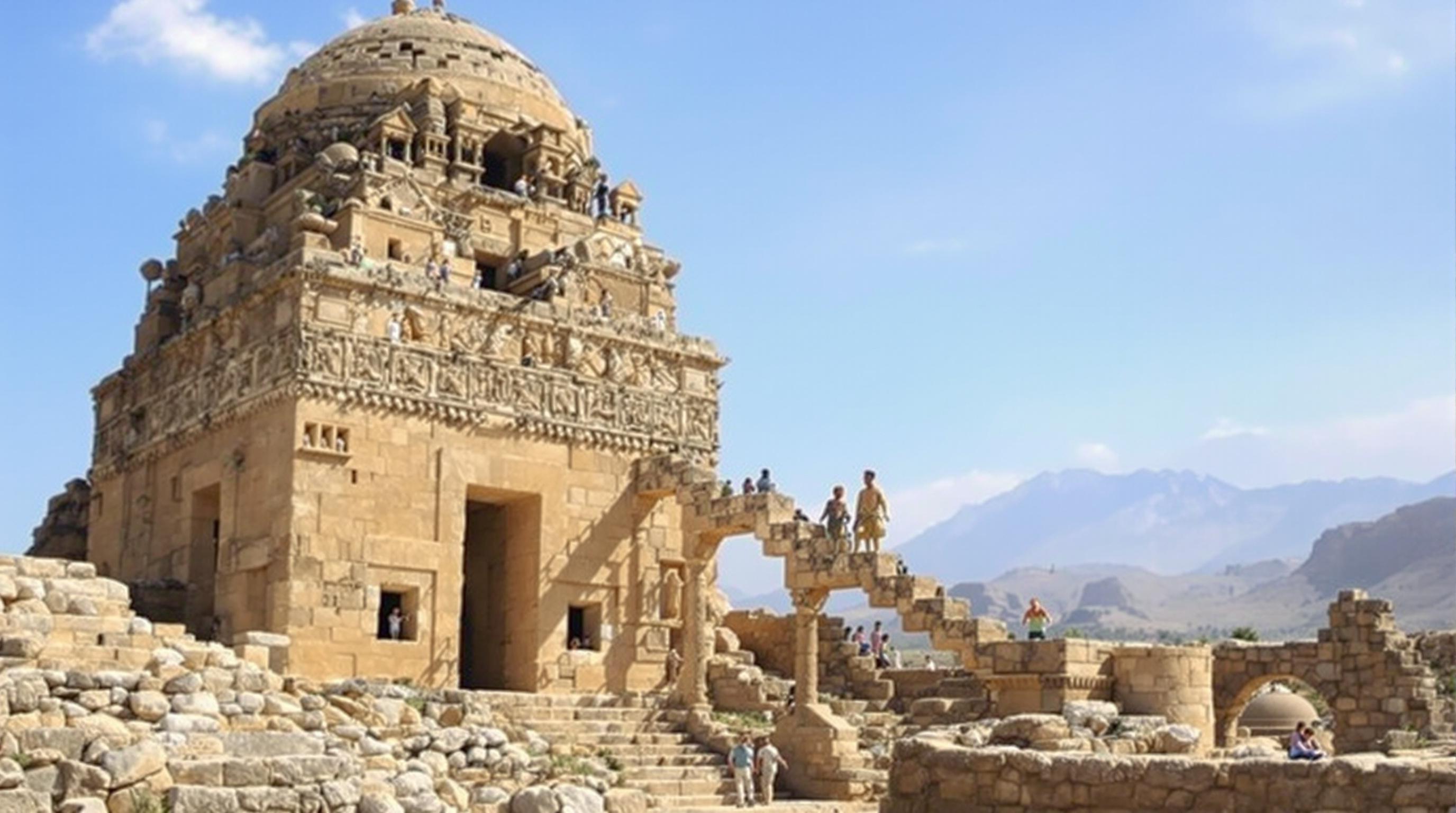
Petra, often referred to as the "Rose City," is a remarkable archaeological site that showcases the Nabataeans' talent for adaptation to their environment. Carved into rose-red cliff faces, this ancient city is a testament to the ingenuity of its inhabitants who thrived in a desert environment using water conservation and sophisticated irrigation systems. The engineering prowess displayed in Petra emphasizes the Nabataeans' ability to harness and manage their surroundings.
As a major trade hub, Petra exemplified cultural resilience through its ability to integrate diverse cultural influences, which flourished within its walls. The architecture, blending Hellenistic and Eastern styles, reflects the community's adaptability and openness to change. Unfortunately, Petra faced decline due to shifts in trade routes and environmental challenges, yet modern preservation efforts have reinvigorated its importance in global heritage.
Today, Petra is recognized as a UNESCO World Heritage Site, drawing attention to the urgent need for preservation against natural wear and increasing tourism pressures. It stands as a vital reminder of the synthesis between nature and culture, showcasing how human ingenuity can thrive even in the harshest of conditions.
4. Angkor Wat, Cambodia
Angkor Wat, the largest religious monument in the world, showcases the Khmer Empire's architectural brilliance and their resilient spirit in overcoming environmental challenges. Constructed in the 12th century, this massive temple complex was integrated with an extensive system of water management that allowed the Khmer civilization to flourish in an area characterized by seasonal monsoons and droughts. The engineers’ knowledge of hydrology contributed to the site’s longevity and sustainability.
Angkor Wat’s intricate carvings and vast scale reveal a deep connection between the people and their religious beliefs. As time progressed, the site experienced abandonment in favor of areas with more reliable resources, yet the architecture remained to tell the story of a culture that achieved greatness amidst fluctuating environmental challenges.
In recent years, Angkor Wat has seen a resurgence in interest, leading to ongoing attempts to preserve its rich legacy. These efforts highlight the importance of balancing tourism with conservation to ensure that this breathtaking landmark can continue to inspire and educate future generations about Cambodian history and resilience.
5. Castle of Hohenzollern, Germany
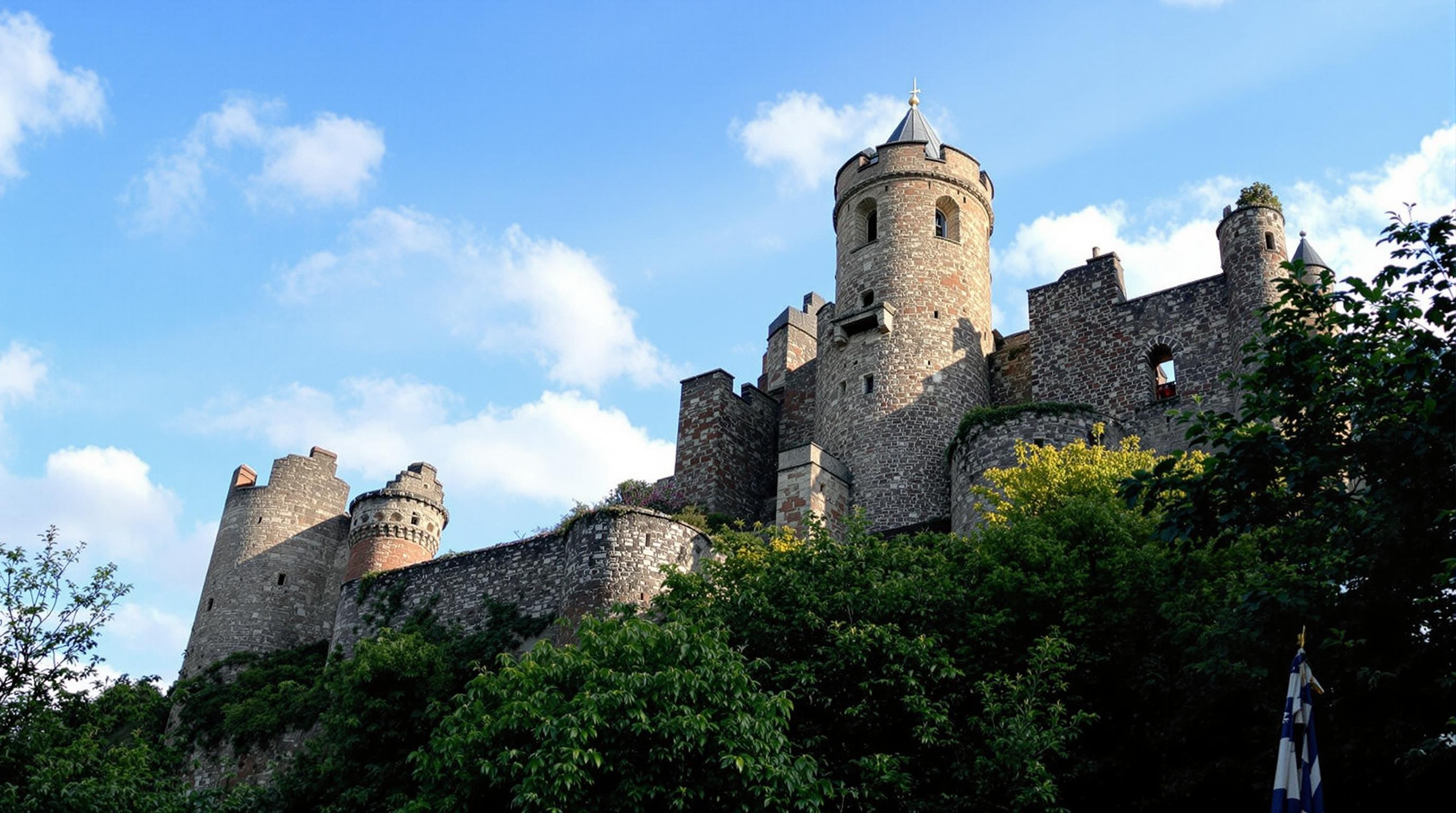
The Castle of Hohenzollern, perched atop a hill in Baden-Württemberg, embodies resilience through its storied past and architectural evolution. First mentioned in 1267, the castle has undergone various reconstructions in response to political and military challenges, demonstrating its adaptability to the changing currents of history. Its strategic location provided a tactical advantage, which is symbolic of the Hohenzollern dynasty's enduring strength.
The castle's blend of Gothic and Romanesque styles reflects the rich cultural influences over centuries, merging aesthetics with functionality. Significant restorations during the 19th century brought renewed interest and investment, showcasing how heritage can be preserved while adapting to contemporary tastes in architecture.
Today, Hohenzollern Castle attracts visitors not only for its picturesque beauty but also as an emblem of German cultural identity. Restoration projects continue to ensure that this landmark remains a living representation of historical resilience, merging educational initiatives with public engagement to foster appreciation of its complex narrative.
6. Timbuktu, Mali
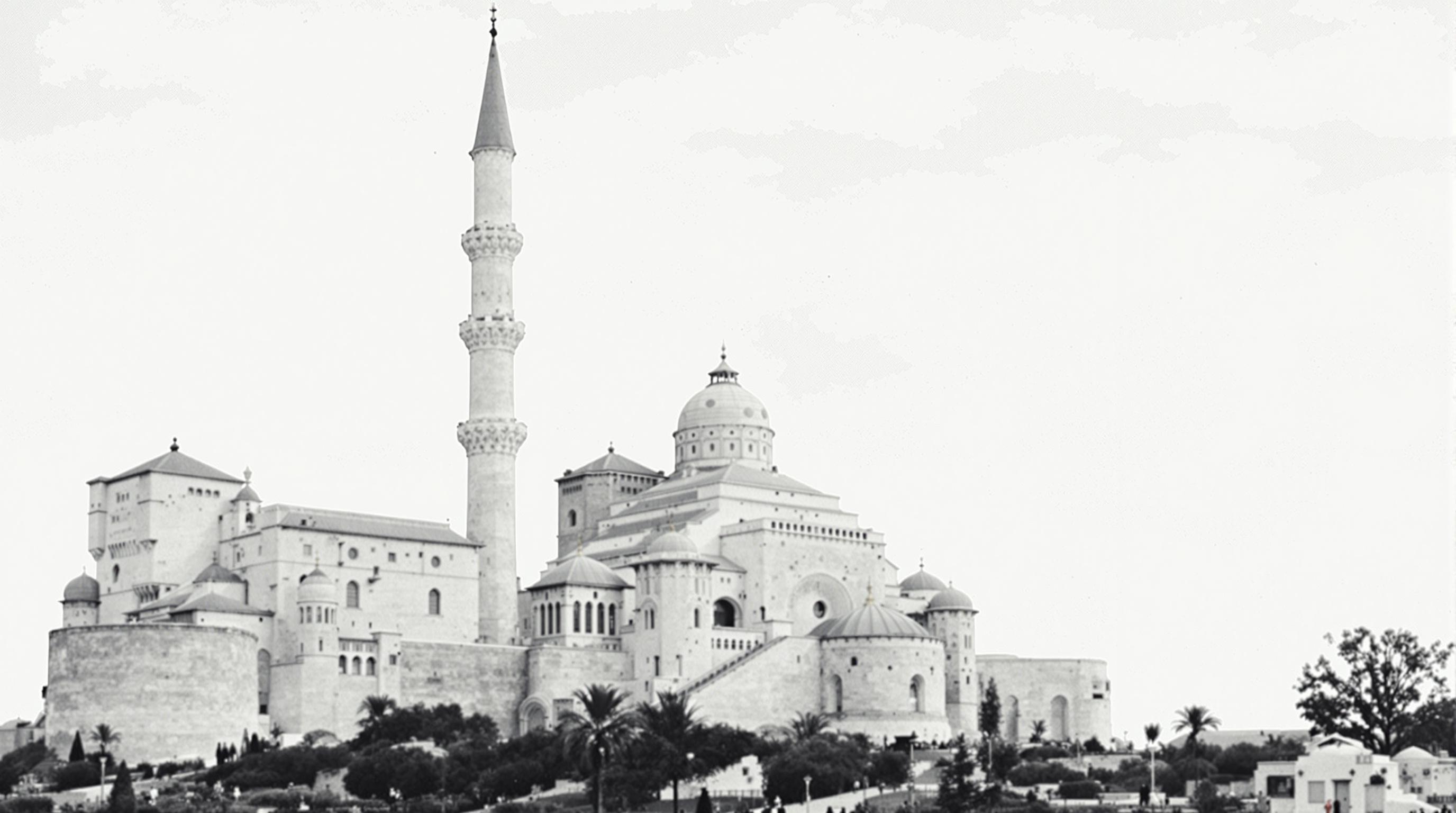
Timbuktu, a city steeped in history and cultural heritage, stands as a remarkable testament to resilience in the face of environmental and political challenges. Founded in the 5th century, Timbuktu became a thriving trade center and an intellectual hub of the medieval Islamic world, known for its ancient mosques and libraries that house invaluable manuscripts. Its strategic location along trade routes enabled cultural exchange and economic prosperity.
Over the centuries, Timbuktu faced harsh desert conditions and instability due to various conquests. The mudbrick architecture utilized in its famed mosques reflects an adaptive strategy to combat the extremes of the environment while maintaining cultural identity. Despite significant threats to its heritage in recent years, local and international efforts focus on preservation and restoration to protect its unique history.
As a UNESCO World Heritage Site, Timbuktu continues to symbolize the resilience of its people and the importance of safeguarding cultural heritage. Ongoing initiatives emphasize educational programs and global partnerships to ensure that this city, once a beacon of knowledge and trade, remains a vibrant part of the world's historical narrative.
Read More