Related Articles
- Navigating Ethical Travel: The Role of Arts and Crafts in Supporting Local Economies and Cultures
- Rediscovering Ancestral Routes: How Ancient Trails Offer Insights into Sustainable Travel Practices
- The Ethical Dilemma of Luxury Travel: Splurging or Supporting Sustainable Development?
- Navigating Ethical Dilemmas: The Quest for Authenticity in Local Food Experiences While Traveling
- Beyond the Facade: Exploring the Subsurface Infrastructure of Iconic Historical Structures
- Curiosities Unearthed: The Surprising Connections Between Historic Sites and Modern Art Movements
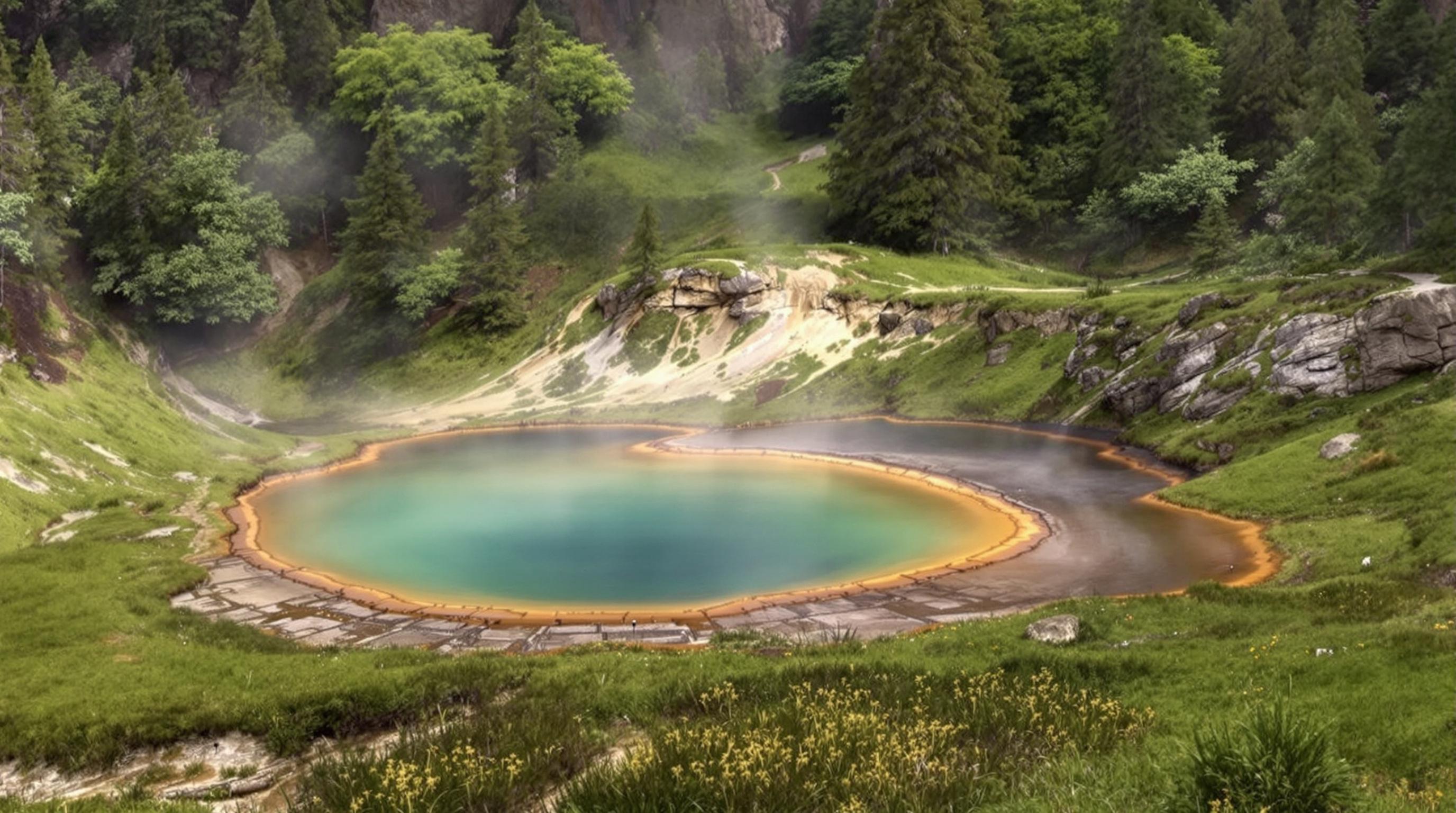
10 Enigmatic National Parks: Unveiling Nature's Hidden Wildlife Wonders Through Mystical Landscapes and Untold Tales
10 Enigmatic National Parks: Unveiling Nature's Hidden Wildlife Wonders Through Mystical Landscapes and Untold Tales
10 Enigmatic National Parks: Unveiling Nature's Hidden Wildlife Wonders Through Mystical Landscapes and Untold Tales
1. Yellowstone National Park
Yellowstone, America's first national park, is renowned for its geothermal features and diverse ecosystems. Established in 1872, it spans over 3,400 square miles and is home to an array of wildlife, including grizzly bears, bison, and wolves. The park's unique geological landscape, featuring geysers like Old Faithful and colorful hot springs, contributes to its mystical allure.
Beyond its stability, Yellowstone experiences seismic activity, hinting at an underlying supervolcano, which adds to the park's enigmatic nature. This geological feature influences local ecosystems and creates a habitat for many species. Despite threats like climate change, Yellowstone's rich biodiversity remains a testament to nature's resilience and complexity.
The park's extensive trail system allows visitors to explore its breathtaking vistas and encounter its hidden wildlife in their natural habitats. With its spectacular landscapes and varied ecological zones, Yellowstone serves as a living laboratory for scientists and an awe-inspiring destination for nature enthusiasts.
2. Denali National Park & Preserve
Denali National Park in Alaska is home to North America's highest peak, Mount Denali, standing tall at 20,310 feet. The park's expansive wilderness, encompassing over 6 million acres, harbors incredible wildlife, including caribou, moose, and the elusive Dall sheep. Denali's remote and rugged terrain offers an unparalleled reflection of nature's untouched beauty.
The unpredictability of Denali's weather adds to its mystique, creating ever-changing landscapes and challenging hiking conditions. Visitors often describe their encounters with wildlife as magical, and the opportunities to see animals in their natural habitats enrich the experience. The park's deep canyons and glacial valleys further enhance its dramatic scenery.
Denali also carries a rich cultural heritage, with stories of Indigenous peoples woven into the fabric of the landscape. As visitors delve into this wild terrain, they uncover both its natural wonders and the profound connections humans have with this rugged beauty, enhancing the experience of exploration and discovery.
3. Glacier National Park
Glacier National Park boasts an impressive array of glacially carved valleys, rugged peaks, and cascading waterfalls. Spanning over a million acres in Montana, this national park is often referred to as the "Crown of the Continent." The dramatic landscapes and diverse habitats support a wide variety of species, including bears, mountain goats, and rare plants.
With over 700 miles of trails, Glacier's stunning terrain invites adventure and exploration. Visitors frequently discover hidden gems, such as pristine lakes and secluded meadows, shrouded in mist and mystery. The park's enigmatic landscape not only captivates the imagination but also serves as a critical refuge for wildlife affected by climate change.
The park's connection with Native American cultures, particularly the Blackfeet Nation, adds an enriched narrative to its natural wonders. Through park ranger-led programs, visitors can learn about the deep respect Indigenous peoples have for this land and how its preservation is vital for future generations.
4. Everglades National Park
The Everglades, a vast wetland in Florida, represents one of the most unique ecosystems in the world, spanning over 1.5 million acres. Designated as a World Heritage Site, it is often described as a "river of grass." The park's labyrinth of mangroves, sawgrass, and wetlands houses a diverse range of wildlife, including the endangered Florida panther and the American crocodile.
The mixture of fresh and saltwater in the Everglades creates complex habitats that support various species. This biological diversity is both fascinating and critical, as it provides essential ecological services. The mystical quality of the park is heightened by its subtropical climate and the presence of unique flora and fauna found nowhere else.
Moreover, the Everglades play a vital role in research concerning climate change and environmental restoration. The ongoing efforts to restore the natural water flow highlight the challenges of conserving such a dynamic landscape. Visitors can immerse themselves in this unique ecosystem while gaining insights into its beauty and fragility.
5. Joshua Tree National Park
Located in Southern California, Joshua Tree National Park is known for its otherworldly landscapes characterized by distinctive Joshua trees, towering rock formations, and expansive desert vistas. The park's surreal environment is a haven for unique wildlife, including bighorn sheep, desert tortoises, and various species of birds adapted to this arid climate.
The juxtaposition of the Mojave and Colorado deserts creates a distinctive ecosystem that is both rich and fragile. The park's captivating night skies, free from light pollution, reveal a tapestry of stars, making it a popular spot for stargazing. This mystical experience is heightened by the vast silence of the desert, allowing visitors to connect deeply with nature.
Joshua Tree is also a site of cultural significance, holding sacred spaces for Indigenous peoples. The park's narrative intertwines with human history, reflecting the enduring relationship between the land and those who inhabit it. Through its stunning landscapes and rich cultural stories, Joshua Tree unfolds the mysteries of both nature and humanity.
6. Olympic National Park
Olympic National Park in Washington state is a microcosm of ecological diversity featuring mountains, rainforests, and a rugged coastline. Covering nearly a million acres, the park is home to an astonishing variety of wildlife, from the elusive elk to the majestic bald eagle. Olympic's unique climate, influenced by the Pacific Ocean, creates lush forests that support a vibrant ecosystem.
The park's rainforests are often described as mystical, with moss-draped trees and dense undergrowth. Hiking through these lush areas, one might encounter ancient trees, cascading waterfalls, and ample wildlife. This enchanting environment is complemented by the stark contrast of the dry alpine regions, showcasing a remarkable range of habitats within a single park.
Moreover, Olympic's rich cultural history includes connections to Native American tribes, whose ancestral lands encompass much of the park. Learning about the heritage and the ecological significance of the region deepens the understanding of this remarkable place, as visitors explore its hidden wildlife wonders and the stories intertwined within its landscapes.
7. Carlsbad Caverns National Park
Carlsbad Caverns, located in New Mexico, is famous for its stunning underground formations and unique ecosystem. The park encompasses over 119 caves, with the largest chamber, the Big Room, spanning over 8 acres. This subterranean world harbors a rich diversity of life, including bats, unique cave-dwelling insects, and rare flora adapted to darkness.
The mystical allure of Carlsbad Caverns lies not only in its formation but also in the constant transformation of its subterranean landscapes. Stalactites, stalagmites, and other geological features create a surreal atmosphere, captivating visitors. The daily bat flight from the cavern at sunset presents a breathtaking natural spectacle, showcasing the park's vibrant wildlife.
Carlsbad Caverns also serves as an important site for ongoing geological and biological research. As scientists delve into its depths, they uncover new species and understand the intricate interplay between creatures and their dark environments. This exploration highlights the importance of preserving such unique habitats for future generations to appreciate.
8. Great Smoky Mountains National Park
Straddling the border between North Carolina and Tennessee, Great Smoky Mountains National Park is renowned for its stunning biodiversity and breathtaking landscapes. As the most visited national park in the U.S., it offers a plethora of opportunities to experience its rich wildlife, including black bears, deer, and over 400 species of birds.
The park's shifting weather patterns create a mystical, ethereal atmosphere, often shrouded in fog and mist. These conditions contribute to the vibrant colors of the landscape, particularly during autumn when the trees display brilliant hues. The park's extensive network of trails invites exploration, allowing visitors to immerse themselves in its captivating beauty.
Moreover, the Smokies hold a rich cultural heritage, with remnants of early settlers and Indigenous peoples scattered throughout the landscape. The intertwining of history and nature invites a deep appreciation for the place and its stories, further enriching the visitor experience in this extraordinary national park.
9. Badlands National Park
Badlands National Park in South Dakota is known for its dramatic landscapes, featuring colorful rock formations, deep canyons, and rich deposits of fossils. Often considered an alien-like terrain, the park's unique geological history has shaped a vibrant ecosystem teeming with wildlife such as bison, prairie dogs, and various birds of prey.
The park's stark beauty is contrasted by the extensive fossil beds that reveal the history of life on Earth, dating back millions of years. This duality creates an intriguing connection between the past and present, inviting visitors to ponder the mysteries of evolution. The vivid colors of the formations, coupled with the wide-open skies, add to the park's otherworldly aura.
Visitors are frequently astonished by the park's breathtaking sunsets, which illuminate the landscape in dazzling hues. The opportunity to explore the rugged terrain and observe hidden wildlife enhances this experience, making Badlands a testament to nature's power and beauty.
10. Zion National Park
Zion National Park in Utah is renowned for its towering sandstone cliffs, narrow canyons, and striking landscapes, making it a must-visit for outdoor enthusiasts. The park's unique topography creates diverse ecosystems that shelter a variety of wildlife, including mule deer, bighorn sheep, and more than 200 species of birds.
The mystical quality of Zion is accentuated by its serenity, characterized by the peaceful flow of the Virgin River against the backdrop of magnificent cliffs. Early morning light bathes the canyons in warm colors, creating a dreamlike environment that beckons exploration. Visitors often find joy in discovering hidden trails that lead to breathtaking overlook points.
Zion's rich cultural history, with ancient rock art and remnants of native tribes, adds depth to the experience. By learning about the historical significance of this land, visitors come to appreciate not only the stunning geological features but also the stories that have unfolded throughout time in this magical national park.
Read More