Related Articles
- Navigating Ethical Travel: The Role of Arts and Crafts in Supporting Local Economies and Cultures
- Rediscovering Ancestral Routes: How Ancient Trails Offer Insights into Sustainable Travel Practices
- The Ethical Dilemma of Luxury Travel: Splurging or Supporting Sustainable Development?
- Navigating Ethical Dilemmas: The Quest for Authenticity in Local Food Experiences While Traveling
- Beyond the Facade: Exploring the Subsurface Infrastructure of Iconic Historical Structures
- Curiosities Unearthed: The Surprising Connections Between Historic Sites and Modern Art Movements
7 Unique Wildlife Photography Destinations: Capturing Nature's Most Elusive Creatures in Stunning, Untouched Landscapes
7 Unique Wildlife Photography Destinations: Capturing Nature's Most Elusive Creatures in Stunning, Untouched Landscapes
7 Unique Wildlife Photography Destinations: Capturing Nature's Most Elusive Creatures in Stunning, Untouched Landscapes
1. The Galápagos Islands, Ecuador
The Galápagos Islands are renowned for their extraordinary biodiversity and the unique wildlife that inspired Charles Darwin's theory of evolution. This archipelago is a living museum of natural history and offers breathtaking landscapes alongside its fascinating fauna. From giant tortoises to the blue-footed booby, each photograph tells a story of adaptation and survival.
For wildlife photographers, the islands provide unparalleled opportunities for capturing unique species in their natural habitats. The striking landscapes range from volcanic craters to white-sand beaches, offering a backdrop that enhances any wildlife shot. Visiting at different times of the year allows photographers to catch various animals in their breeding seasons.
Travelers can explore the islands on guided tours, ensuring respect for the environment and its inhabitants. With strict regulations in place, wildlife remains undisturbed, allowing photographers to capture stunning images with authenticity. This remarkable destination is a must for any nature enthusiast hoping to document some of the planet's most elusive creatures.
2. Kenya’s Maasai Mara National Reserve
Kenya's Maasai Mara National Reserve is famed for its incredible migrations and diverse wildlife. This vast savanna ecosystem is home to the "Big Five" – lions, elephants, buffalo, leopards, and rhinoceros – as well as countless other species. The expansive views and dramatic landscapes make it a haven for wildlife photography.
Photographers can experience the great wildebeest migration from July to October, where billions of animals embark on a perilous journey. This event is a unique opportunity to capture the raw power of nature and the intricate relationship between predator and prey. The golden hour light enhances the photographs, creating ethereal images of wildlife against the sunset-lit plains.
Local Maasai guides offer insights into the behaviors and habitats of the animals, enriching the experience for photographers. Ideal for both beginners and professionals, the Maasai Mara presents a variety of landscapes, including rivers, acacia woodlands, and grasslands, ensuring a diverse portfolio of images.
3. Yellowstone National Park, USA
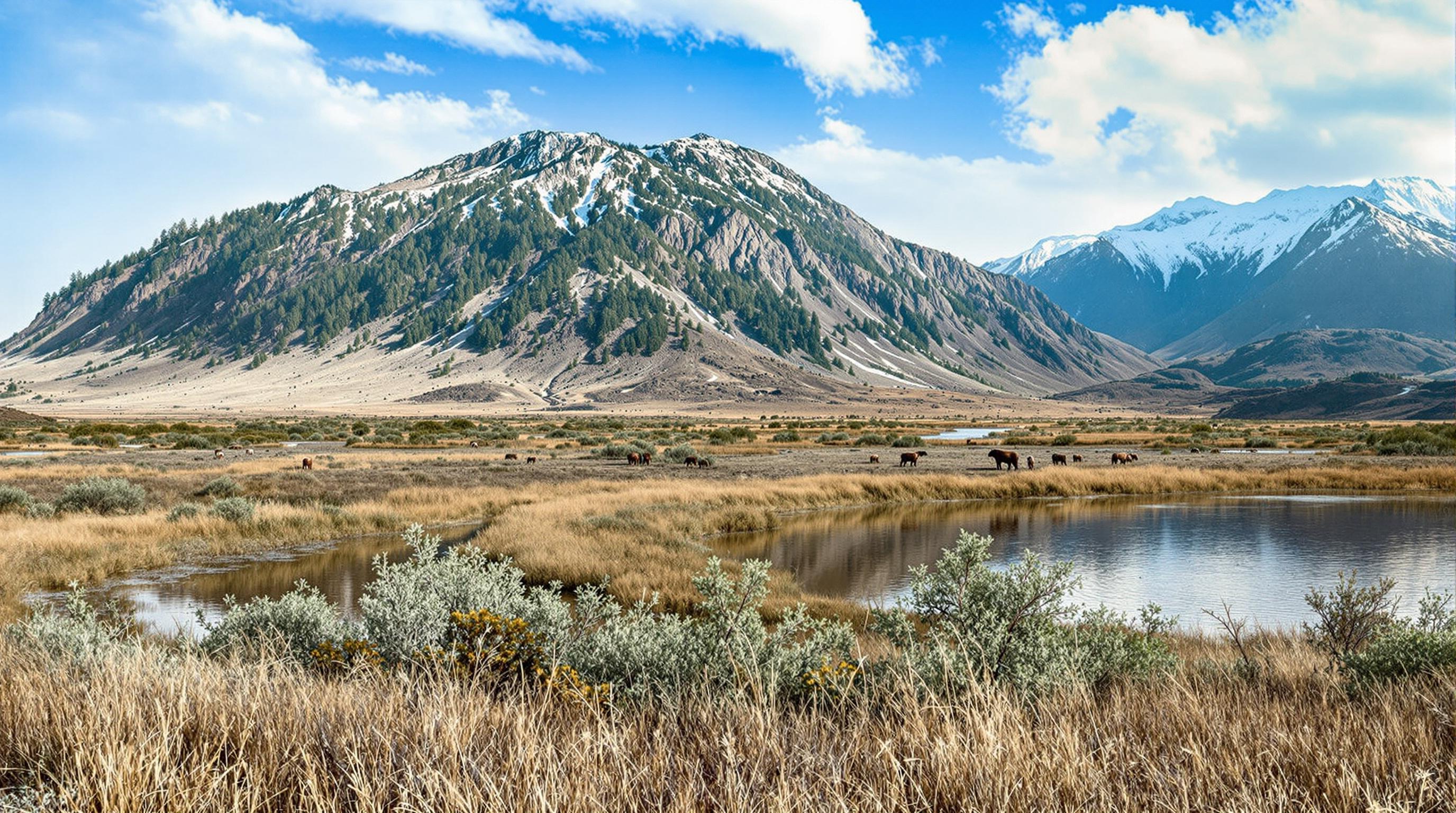
Yellowstone National Park is not just a geological wonder; it is also a treasure trove for wildlife enthusiasts. Home to wolves, bears, bison, and eagles, this park is a vibrant ecosystem ripe for exploration. The combination of geothermal phenomena and diverse wildlife makes it one of the most photogenic destinations in the United States.
Photographers can take advantage of the park's varied topography, which includes mountains, lakes, and geysers. The wildlife often appears against the backdrop of stunning geothermal features, creating surreal and captivating images. Early mornings in the park offer a chance to capture wildlife at dawn, showcasing animals in gentle light that adds a mystique to any photograph.
Yellowstone's accessibility through well-maintained roads and hiking trails means that photographers can reach remote spots with relative ease. Additionally, the chance to document species in their natural habitats contributes to a deeper understanding of conservation efforts in this unique environment.
4. Madagascar
Madagascar is a biodiversity hotspot, home to species that are found nowhere else on Earth. Photographers can capture charismatic creatures such as lemurs, chameleons, and unique flora against stunning landscapes that vary from rainforests to arid spiny forests. This island nation provides a unique backdrop that enhances the beauty of any wildlife shot.
Traveling through Madagascar offers opportunities to explore different ecosystems, each housing its own distinct species. From the lush rainforests of Andasibe to the otherworldly landscapes of Tsingy de Bemaraha, photographers are likely to encounter wildlife that tells a tale of adaptation and resilience.
Getting lost in Madagascar's rich culture and folklore enhances the photography experience. Engaging with local communities often leads to unique storytelling opportunities, further enriching the narrative that each photograph captures in this enchanting corner of the world.
5. The Amazon Rainforest
The Amazon Rainforest is the world's largest tropical rainforest, covering several countries and housing an unparalleled variety of wildlife. From jaguars to poison dart frogs, this lush environment is an exciting photographic subject, with unique creatures often hidden among the dense foliage.
Photographically, the diversity of the Amazon allows for intimate portraiture of wildlife in their habitats. The interplay between light and shadow in the rainforest can produce dramatic images, providing photographers with rich contrasts and textures. The use of different filters can enhance colors, adding depth to the photographs.
Traveling through the Amazon often requires expertise in navigating the canopies and waterways, but many eco-tours provide experienced guides who help photographers discover hidden gems. The opportunity to document and contribute to conservation efforts makes this destination even more impactful.
6. The Scottish Highlands
The rugged beauty of the Scottish Highlands is matched only by its rich history and wildlife. Photographers can capture red deer, golden eagles, and the elusive otter against a backdrop of towering mountains and serene lochs. The dramatic landscapes create perfect framing opportunities for wildlife photography.
Scotland's changing seasons offer varied photographic opportunities, from blossoming heather in summer to snow-capped peaks in winter. Whichever season photographers choose to visit, they’ll find opportunities to create stunning images steeped in the country’s folklore and natural splendor.
Local wildlife organizations often lead guided photography tours, providing insights into the best locations for capturing images and promoting conservation efforts. Engaging with these programs enhances the experience, allowing photographers to appreciate the relationship between nature and culture in this historical region.
7. Borneo’s Rainforests
Borneo is a paradise for wildlife photographers, known for its extraordinary biodiversity and unique species such as orangutans, pygmy elephants, and proboscis monkeys. The rainforests provide vast, untouched landscapes where photographers can immerse themselves in nature while capturing its splendors.
The opportunity to photograph orangutans in their natural habitat is a highlight for many visitors. Exploring the jungles of Borneo allows for a variety of shots, from glimpses of wildlife high in the treetops to animals near rivers and pools. Each moment spent in these lush settings reveals the profound connection between species and their environments.
Various eco-tourism initiatives aim to promote conservation, allowing photographers to contribute to the preservation of Borneo's unique ecosystems. By connecting camera shutter clicks with conservation efforts, every photograph taken helps raise awareness and appreciation for the fragile beauty of this extraordinary region.
Read More