Related Articles
- Navigating Ethical Travel: The Role of Arts and Crafts in Supporting Local Economies and Cultures
- Rediscovering Ancestral Routes: How Ancient Trails Offer Insights into Sustainable Travel Practices
- The Ethical Dilemma of Luxury Travel: Splurging or Supporting Sustainable Development?
- Navigating Ethical Dilemmas: The Quest for Authenticity in Local Food Experiences While Traveling
- Beyond the Facade: Exploring the Subsurface Infrastructure of Iconic Historical Structures
- Curiosities Unearthed: The Surprising Connections Between Historic Sites and Modern Art Movements
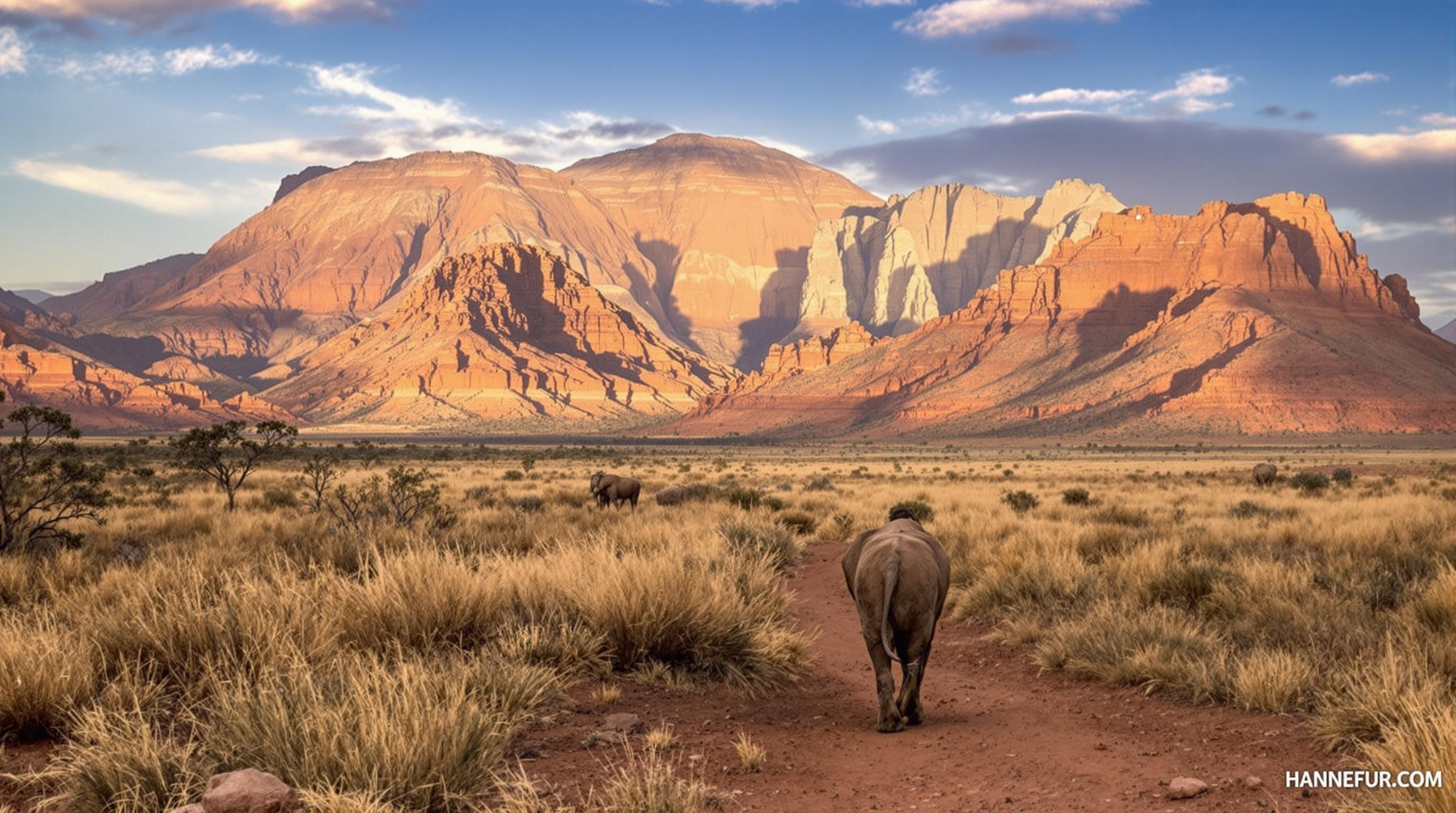
10 Unforgettable Destinations for Immersive Wildlife Encounters and Nature's Incredible Wonders
10 Unforgettable Destinations for Immersive Wildlife Encounters and Nature's Incredible Wonders
10 Unforgettable Destinations for Immersive Wildlife Encounters and Nature's Incredible Wonders
1. Yellowstone National Park, USA
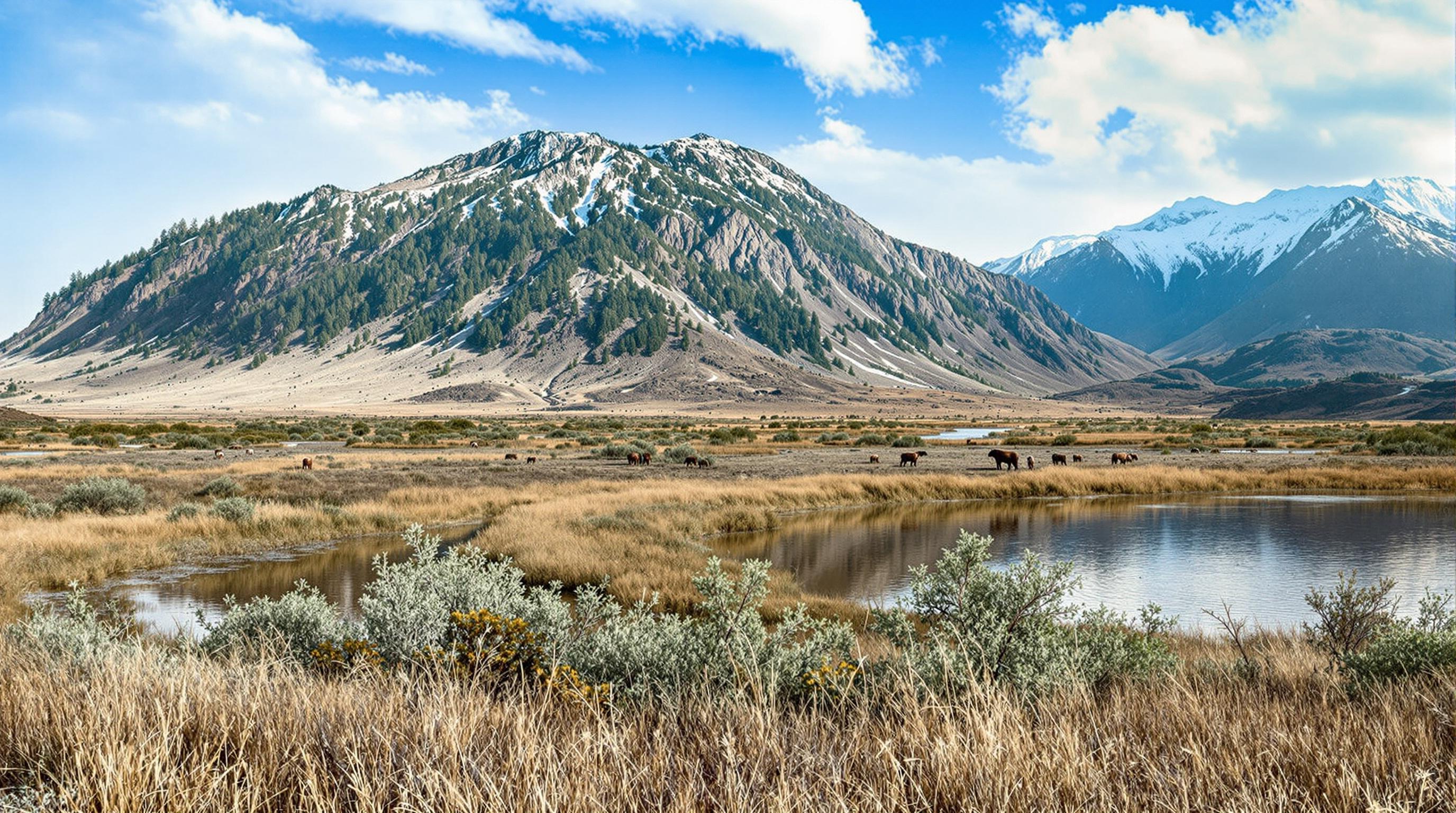
Established in 1872 as the first national park in the United States, Yellowstone offers a breathtaking array of natural wonders. It's renowned not only for its geothermal features, such as the iconic Old Faithful Geyser, but also for its vibrant ecosystems teeming with wildlife. Visitors can expect to see bison, elk, and even the elusive gray wolf roaming freely.
The park’s expansive meadows and forests provide a habitat for a diverse array of species. Hiking in the backcountry, where fewer people venture, enhances the experience; it immerses one in the raw beauty of nature and its inhabitants. Guided tours are available for those who wish to deepen their understanding of the park's wildlife and the delicate balance of its ecosystem.
Yellowstone's commitment to conservation efforts preserves the area's natural beauty and wildlife abundance. As a living laboratory, it invites all generations to witness the magnificence of arctic geology and vibrant ecology, making for unforgettable encounters with nature.
2. Serengeti National Park, Tanzania
Perhaps the most iconic wildlife destination in the world, the Serengeti is famous for its annual migration of wildebeest and zebra. This incredible spectacle, often referred to as the "Great Migration," draws visitors from across the globe. Observing this event is akin to watching nature's ultimate survival drama unfold in real-time amidst vast savannas.
The park’s vast grasslands and acacia woodlands are home to a diverse array of wildlife, including lions, elephants, and cheetahs. One can witness these majestic creatures in their natural habitat, forming a rare bond with the wild. For those seeking deeper connection, options like hot air balloon rides or guided safari tours offer unique perspectives and immersive experiences.
Not only does the Serengeti showcase Africa’s rich biodiversity, but it also represents the ongoing efforts of conservation charities working tirelessly to protect wildlife habitats amid human encroachment. From the air or on the ground, the Serengeti captivates with an abundance of natural wonders.
3. Galápagos Islands, Ecuador
The Galápagos Islands are an unparalleled sanctuary for unique wildlife, famously serving as an inspiration for Charles Darwin’s theory of evolution. These volcanic islands are home to species found nowhere else on Earth, including the giant tortoise and marine iguana. Exploring the islands allows visitors to witness this unique biodiversity in its pristine state.
With opportunities for snorkeling, diving, and hiking, visitors can engage with the rich marine life that populates the surrounding waters. The experience of swimming alongside sea lions or watching penguins animate the rocky shores exemplifies the immersive encounters available here.
Conservation efforts in the Galápagos are crucial, as they strive to balance tourism and wildlife preservation. Guided eco-tours lead travelers through the crucial understanding of preserving these islands so future generations can share in their wonders.
4. Costa Rica
Recognized for its unparalleled biodiversity, Costa Rica boasts an impressive 5% of the world’s known species. This small Central American nation is a paradise for wildlife enthusiasts, with rainforests, cloud forests, and coastal ecosystems. Here, one can encounter everything from resplendent quetzals to sloths lounging leisurely among the trees.
The emphasis on ecotourism in Costa Rica promotes sustainability and responsible travel, allowing visitors to experience the country’s beauty while contributing to conservation efforts. Trails throughout its national parks offer unparalleled access to the unique flora and fauna nestled within the dense jungles.
Engaging in various activities such as zip-lining through the canopy or embarking on guided wildlife tours allows for a deeper appreciation of this region's natural wonders. Costa Rica stands as a testament to how tourism and nature can harmoniously coexist in a world increasingly challenged by ecological stressors.
5. Kruger National Park, South Africa
Kruger National Park is one of Africa's largest game reserves, stretching over nearly 2 million hectares. It offers an incredible diversity of wildlife, including Africa's famed "Big Five"—lions, leopards, rhinoceros, elephants, and buffalo. An exploration of this stunning park yields countless opportunities to observe wildlife in their natural settings.
Visitors can partake in self-drive safaris or guided tours, providing flexibility and the chance to experience vulnerable species in their habitats. The park's various ecosystems host over 500 bird species, complementing the experience with vibrancy and movement high above the savanna.
Kruger exemplifies the importance of wildlife conservation, fulfilling a vital role in protecting South Africa's diverse flora and fauna. The park reminds visitors of the beauty of co-existing with wildlife, ensuring future generations can share in its extraordinary experiences.
6. The Amazon Rainforest, South America
The Amazon Rainforest, often referred to as the "lungs of the Earth," delivers both breathtaking beauty and extraordinary biodiversity. Spanning over several countries, including Brazil and Peru, this vast expanse is home to an astounding variety of wildlife, including jaguars, pink river dolphins, and countless avian species.
With immersive eco-lodges and guided tours, visitors can venture deeper into the heart of the rainforest. Whether canoeing through its meandering rivers or taking rugged hikes along hidden trails, the connection with the diverse ecosystems is profound. The intimate experience of hearing the rainforest come alive with chirps and roars is a sensation like no other.
However, ongoing concerns regarding deforestation and climate change highlight the critical importance of conservation efforts. Engaging with local communities and supporting sustainable projects allows travelers to contribute to preserving this invaluable resource.
7. Banff National Park, Canada
Nestled amidst the rugged Canadian Rockies, Banff National Park is famed for its stunning landscapes and diverse wildlife. The turquoise lakes framed by towering peaks provide a picturesque backdrop for encountering species such as elk, bears, and mountain goats. With ample hiking trails, nature lovers can engage with the breathtaking surroundings while searching for wildlife.
The park's intricate ecosystem reveals the delicate balance of life within mountainous terrains, providing opportunities for intimate encounters with nature. Guided wildlife tours allow for deeper understanding and appreciation of the localized flora and fauna.
The efforts made by conservationists ensure that Banff's beauty is maintained for generations to come. Through responsible tourism, visitors can fully enjoy this natural wonderland and contribute to its preservation, allowing future explorers to revel in the captivating wild of the Canadian Rockies.
8. Raja Ampat Islands, Indonesia
The Raja Ampat Islands are often hailed as one of the richest marine ecosystems on the planet. This paradise offers phenomenal diving and snorkeling opportunities, where vibrant coral reefs and an array of marine life await discovery. Encountering mantas, sea turtles, and hundreds of fish species immerses visitors in an underwater wonderland.
The unique geography of the islands, characterized by limestone cliffs and lush greenery, creates a stunning backdrop for nature encounters. Opportunities for exploring tropical rainforests and island hopping allow travelers to appreciate both the marine and terrestrial biodiversity present.
Sustainable tourism plays a key role in preserving this remarkable archipelago. Visitors can support local communities while protecting these pristine ecosystems, ensuring that Raja Ampat remains a paradise for generations of ocean enthusiasts.
9. Madagascar
Madagascar's isolation has fostered an exceptional level of endemism, making it a remarkable destination for wildlife enthusiasts. Known for its lemurs, chameleons, and unique plant species, this island offers a chance to witness evolution in action. The biodiversity on this island is spectacular, with over 90% of its wildlife found nowhere else.
Exploring the diverse habitats, from rainforests to spiny deserts, reveals the hidden gems of Madagascar’s flora and fauna. Guided tours can enlighten visitors on the evolutionary adaptations that have emerged on this isolated paradise.
Emphasizing conservation, efforts are underway to protect Madagascar’s unique ecosystems amid increasing threats from habitat loss. By engaging in sustainable tourism, travelers can help safeguard the island's biodiverse future for both wildlife and future generations.
10. Torres del Paine National Park, Chile
Torres del Paine National Park encapsulates the dramatic beauty of Patagonia, with stunning mountains, glaciers, and rich wildlife. Here, visitors may encounter guanacos, condors, and the elusive puma while absorbing breathtaking landscapes that seem to have leaped from the pages of a fairytale.
With a variety of activities available, including hiking, horseback riding, and kayaking, the park offers countless opportunities to experience its remarkable beauty. Each season presents a new palette of colors and landscapes, ensuring that no two visits are the same. The local flora and fauna thrive in balance with the rugged terrain, creating a harmonious symphony of nature.
Conservation initiatives in Torres del Paine maintain the health of the pristine ecosystems, making this park a beacon for both wildlife and adventurous spirits. Visitors leave enriched with unforgettable memories that serve as a reminder of nature’s incredible wonders.
Read More