Related Articles
- Navigating Ethical Travel: The Role of Arts and Crafts in Supporting Local Economies and Cultures
- Rediscovering Ancestral Routes: How Ancient Trails Offer Insights into Sustainable Travel Practices
- The Ethical Dilemma of Luxury Travel: Splurging or Supporting Sustainable Development?
- Navigating Ethical Dilemmas: The Quest for Authenticity in Local Food Experiences While Traveling
- Beyond the Facade: Exploring the Subsurface Infrastructure of Iconic Historical Structures
- Curiosities Unearthed: The Surprising Connections Between Historic Sites and Modern Art Movements
6 Surprising Wildlife Destinations That Highlight Nature's Role in Preservation and Conservation Efforts Worldwide
6 Surprising Wildlife Destinations That Highlight Nature's Role in Preservation and Conservation Efforts Worldwide
6 Surprising Wildlife Destinations That Highlight Nature's Role in Preservation and Conservation Efforts Worldwide
1. The Galápagos Islands, Ecuador
The Galápagos Islands, famous for influencing Charles Darwin's theory of evolution, remain a crucial hub for conservation efforts. This unique archipelago is home to an array of endemic species, such as the Galápagos tortoise and marine iguanas, which are actively studied to understand biodiversity and environmental changes.
Conservation initiatives in the Galápagos focus on protecting both its rich wildlife and the ecosystems that support them. Efforts include habitat restoration and strict regulations on tourism to minimize human impact. By visiting these islands, travelers contribute to funding these conservation programs through entrance fees and eco-tourism.
Moreover, organizations like the Charles Darwin Foundation work tirelessly to educate locals and tourists alike about responsible environmental practices. The Galápagos experience is not just a vacation; it’s an opportunity to witness firsthand the delicate balance of ecosystems that are vital for the planet’s health.
2. Madagascar’s Rainforests
Madagascar is often referred to as the 'eighth continent' due to its diverse flora and fauna, most of which are found nowhere else on Earth. Home to unique species like lemurs and baobab trees, Madagascar serves as a living laboratory for evolutionary biology. However, this biodiversity is at risk due to deforestation and human encroachment.
Conservation efforts are being made to protect Madagascar's remaining rainforests, including the establishment of protected areas and community-led conservation programs. These initiatives encourage local communities to take part in preserving their natural resources while providing sustainable livelihoods through eco-tourism.
Travelers visiting Madagascar have the chance to engage with local guide programs that promote sustainable practices. This not only aids in preservation efforts but also provides a strong economic incentive for communities to protect their unique ecosystems, creating a win-win scenario for both nature and humanity.
3. Costa Rica’s Biodiversity Hotspots
Costa Rica is a paradise for nature lovers, boasting over 5% of the world's biodiversity despite covering only 0.03% of the Earth's land area. The country places a strong emphasis on conservation, with roughly 25% of its territory designated as protected areas. This commitment to sustainability provides a sanctuary for countless species, including the resplendent quetzal and endangered jaguars.
Efforts to preserve Costa Rica's natural beauty include ecotourism initiatives that empower local communities and incentivize environmental conservation. Tourists can participate in activities ranging from birdwatching in cloud forests to exploring vibrant coral reefs, all while contributing to local conservation projects.
By choosing to travel responsibly, visitors support Costa Rican conservation goals and help ensure that this beautiful landscape continues to thrive. It’s a clear testament that when nature and humanity collaborate, stunning results can be achieved.
4. Borneo’s Rainforests
Borneo, known for its massive rainforests and rich wildlife, is home to the critically endangered orangutan. The island faces severe threats from logging, agriculture, and land development, prompting urgent conservation measures to protect its endemic species and habitats. Organizations like the Borneo Orangutan Survival Foundation work tirelessly to rehabilitate and release orangutans into the wild.
Visitors to Borneo can engage in eco-tourism activities that help fund these conservation efforts. Guided tours through the forests not only provide a chance to see these magnificent animals but also educate tourists about the importance of preserving Borneo's unique ecosystems.
Travelers also have the opportunity to support local communities by engaging in sustainable practices, such as staying at eco-friendly lodges and participating in reforestation projects. By doing so, they contribute to the long-term preservation of Borneo’s irreplaceable biodiversity.
5. Yellowstone National Park, USA
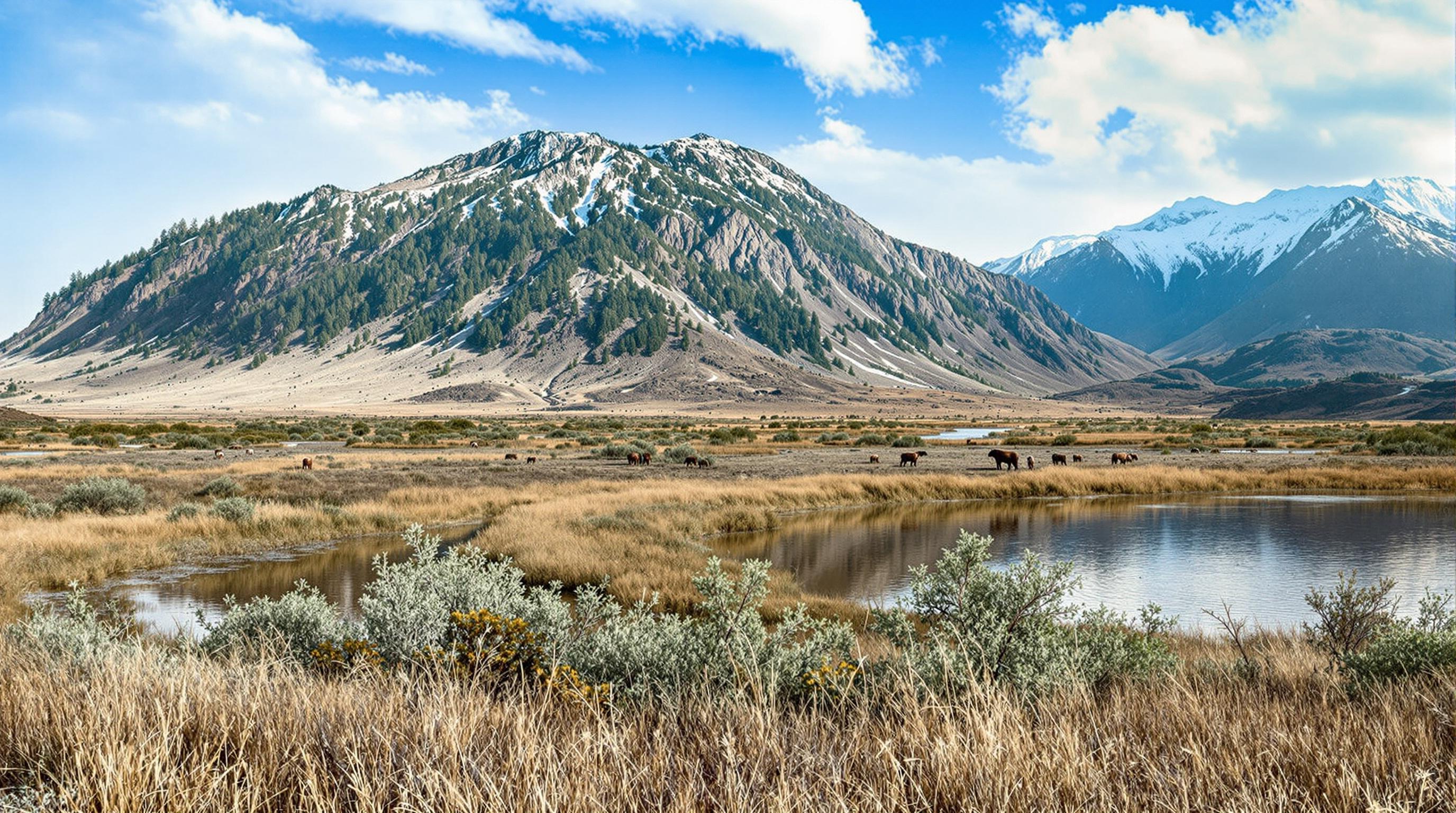
Yellowstone National Park is America’s first national park, celebrated for its geothermal features and rich wildlife. The park hosts a variety of species, including bison, elk, and grizzly bears, making it an essential site for conservation research. The restoration of wolves in Yellowstone in the 1990s serves as a prime example of successful conservation practices, demonstrating the interconnectedness of species within an ecosystem.
Aside from its stunning landscapes, Yellowstone plays a significant role in educating visitors on the importance of conservation. Park rangers lead programs that highlight the importance of preserving biodiversity and protecting habitats. Eco-tourism here helps fund maintenance and conservation projects, ensuring the park can thrive for future generations.
Traveling to Yellowstone not only allows visitors to experience breathtaking natural beauty but also fosters a deeper understanding of ecological balance. It poses an essential reminder of our responsibility to preserve these lands that are integral to the planet's heritage.
6. The Amazon Rainforest, Brazil
The Amazon Rainforest, often dubbed the "lungs of the Earth," spans multiple countries, with a large portion located in Brazil. This vibrant ecosystem faces ongoing threats from deforestation and climate change. Conservation efforts, such as the Amazon Fund, aim to reduce deforestation rates and protect biodiversity alongside supporting indigenous communities.
Travelers have the opportunity to support these initiatives through responsible tourism practices. Guided tours with local tribes not only provide cultural insight but also allow visitors to witness conservation efforts in action, with many tribes developing sustainable practices to coexist with the forest.
Engaging with Brazil's rich ecosystem fosters a sense of responsibility in tourists to advocate for the rainforest when they return home. It emphasizes the global importance of preserving the Amazon, illustrating how interconnected our survival is with the health of this vital habitat.
Read More