Related Articles
- Navigating Ethical Travel: The Role of Arts and Crafts in Supporting Local Economies and Cultures
- Rediscovering Ancestral Routes: How Ancient Trails Offer Insights into Sustainable Travel Practices
- The Ethical Dilemma of Luxury Travel: Splurging or Supporting Sustainable Development?
- Navigating Ethical Dilemmas: The Quest for Authenticity in Local Food Experiences While Traveling
- Beyond the Facade: Exploring the Subsurface Infrastructure of Iconic Historical Structures
- Curiosities Unearthed: The Surprising Connections Between Historic Sites and Modern Art Movements
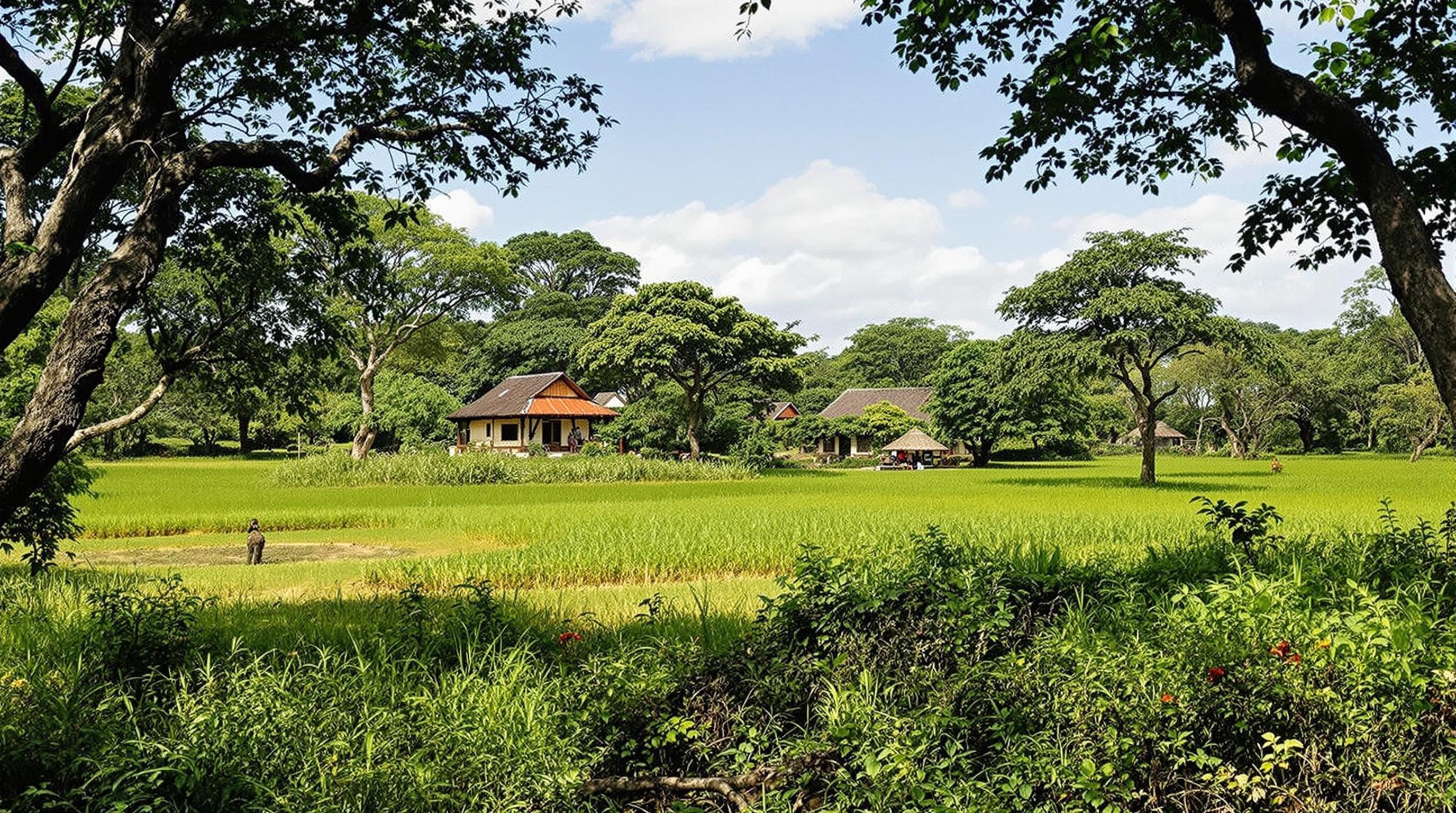
7 Stunning Locations Where Wildlife and Traditional Cultures Intertwine for the Ultimate Eco-Travel Experience
7 Stunning Locations Where Wildlife and Traditional Cultures Intertwine for the Ultimate Eco-Travel Experience
7 Stunning Locations Where Wildlife and Traditional Cultures Intertwine for the Ultimate Eco-Travel Experience
1. Maasai Mara, Kenya
The Maasai Mara National Reserve is not just a haven for wildlife; it’s also a vibrant site of cultural interchange. Known for hosting the Great Migration, this Kenyan gem offers travelers breathtaking views of wildebeests, zebras, and other wildlife as they cross the Mara River. Tourists can experience the culture of the Maasai people, who coexist with the wildlife, showcasing their traditional practices through dance, art, and communal gatherings.
Visitors to Maasai Mara can engage in eco-friendly safari tours that prioritize sustainable practices, thus ensuring that both wildlife and local cultures thrive. By participating in community-led initiatives, tourists can contribute to the preservation of this unique ecosystem and its inhabitants. Local Maasai guides reveal the traditional techniques they employ to coexist with their environment and offer insights into their way of life.
Eco-lodges situated within or near the reserve often include visits to Maasai villages, presenting a comprehensive experience that combines wildlife observation with cultural immersion. This diversity makes Maasai Mara a prime destination for sustainable travelers seeking to witness remarkable fauna while respecting the local traditions.
2. Galápagos Islands, Ecuador
The Galápagos Islands offer a unique blend of natural wonders and indigenous cultures. Famous for their endemic species and distinct ecosystems, these islands are also home to the Galápagueños, whose lifestyle emphasizes conservation and respect for the breathtaking environment. Eco-travelers can explore the archipelago's volcanic landscapes while hearing stories about the local communities’ mutual respect for nature.
Travelers can participate in guided tours that are not only wildlife-focused but also culturally enriching. Local guides teach about the significance of various species in the context of the islands' history and highlight how traditional practices have been adapted to preserve the delicate ecosystems. The commitment to ecotourism here fosters a sense of responsibility among visitors to tread lightly on the land.
Engaging in activities like snorkeling, hiking, or kayaking, visitors can observe the unique wildlife, such as giant tortoises and marine iguanas, while also gaining insights into how the local culture intertwines with their surroundings. The Galápagos Islands exemplify a model of travel where environmental conservation and cultural heritage are seamlessly combined.
3. Pantanal, Brazil
The Pantanal, the world’s largest tropical wetland, is a biodiversity hotspot that supports a myriad of wildlife species and is home to indigenous communities that have lived there for centuries. This expansive region is an untouched paradise for eco-travelers who are eager to explore its rich array of flora and fauna. The Pantanal offers unique opportunities to witness jaguars, capybaras, and various bird species in their natural habitat.
Furthermore, local communities, such as the Guarani and other Indigenous groups, share their customs and traditions with visitors, focusing on a harmonious relationship with the land. Eco-tourism initiatives often include visits to these communities, where travelers can learn about traditional hunting, fishing, and farming methods that have existed for generations, enriching their understanding of sustainable living.
The Pantanal's eco-lodges are designed to have minimal ecological impact, allowing guests to immerse themselves in both nature and local culture while ensuring that they contribute to conservation efforts. These stays not only offer comfort amidst the wilderness but also encourage interactions between visitors and local residents, creating lasting memories and a deeper appreciation of this extraordinary environment.
4. Sichuan Province, China
Sichuan Province is renowned not only for its stunning landscapes and rich biodiversity but also for its vibrant culture. Home to the giant panda, this region provides a unique opportunity to witness wildlife conservation efforts while engaging with traditional Tibetan and Sichuanese cultures. Visitors can enjoy the breathtaking scenery of the Jiuzhaigou Valley and experience the warmth of local hospitality.
In addition to panda viewing and nature walks, travelers can participate in cultural exchange programs, learning about local customs, crafts, and culinary traditions. Local community efforts highlight the importance of protecting the environment and promote a sustainable way of life, intertwining respect for nature with cultural heritage. Chiapaneco contributions to eco-tourism significantly enhance the overall experience of visitors.
Moreover, Sichuan’s role in conservation efforts, particularly regarding the giant panda’s habitat, emphasizes the crucial connection between local culture and wildlife protection. By choosing to visit this region, tourists support both the preservation of endangered species and the traditional ways of life that enrich the ecological tapestry of Sichuan Province.
5. Serengeti, Tanzania
The Serengeti National Park is a beacon for wildlife enthusiasts and cultural explorers alike. This iconic landscape is recognized for its astonishing wildlife spectacles, including the annual wildebeest migration. The Maasai culture remains deeply embedded in the region, and visitors can learn about their ancestral ties to the land. This interconnection offers a truly immersive eco-travel experience.
Through guided tours led by Maasai warriors, travelers can explore the Serengeti while absorbing insights into the traditional practices that enable the Maasai to coexist with wildlife. By respecting local customs and traditions, eco-travelers can ensure their participation benefits both the environment and the community.
Not only do eco-lodges provide sustainable accommodations in this remarkable environment, but they also facilitate interactions between visitors and local tribes, affording a firsthand look at Maasai life. This layered experience—as travelers embark on wildlife safaris or participate in cultural ceremonies—creates a narrative that is rich with ecological and cultural significance.
6. Borneo, Malaysia and Indonesia
Borneo’s rainforests are some of the oldest in the world and are teeming with extraordinary wildlife, including orangutans, pygmy elephants, and proboscis monkeys. Both Malaysia and Indonesia are home to various indigenous groups, like the Dayak, who have long-standing relationships with these enchanting forests. Eco-tourism initiatives in the region promote conserving the rainforest while showcasing the traditional practices of these indigenous communities.
By participating in guided tours through the rainforest, eco-travelers can engage in activities such as tree planting and wildlife spotting, all while gaining insights into the local customs and sustainable lifestyles of the Dayak people. Collaborative programs emphasize a balance between economic development and environmental conservation, ensuring that travelers leave a positive impact.
Visitors can also explore traditional crafts, local foods, and ceremonies, deepening their appreciation for Borneo’s rich culture. Borneo not only dazzles with its wildlife but also tells a story of cultural resilience and the necessity of preserving both the ecosystem and indigenous traditions.
7. Lapland, Finland
Lapland is famed for its stunning arctic landscapes, native Sámi culture, and unique wildlife such as reindeer, arctic foxes, and a variety of migratory birds. This remote region, which attracts travelers year-round, offers a blend of outdoor experiences like dog sledding and northern lights viewing while providing insights into Sámi traditions and their relationship with nature.
Visitors can immerse themselves in the vibrant Sámi culture by participating in traditional festivities, enjoying local cuisine, and learning about reindeer herding practices. Sámi communities have been integral to the region’s identity, with customs that emphasize sustainability and respect for the environment, aligning seamlessly with the principles of eco-tourism.
Staying in eco-friendly lodges or guesthouses further enriches the experience, allowing visitors to enjoy the serene beauty of Lapland while supporting local communities. As eco-travel gains momentum globally, Lapland stands out as a destination where wildlife conservation and traditional lifestyles intersect harmoniously.
In conclusion, eco-travel presents an opportunity for travelers to engage meaningfully with both wildlife and the cultures that protect them. By choosing these stunning destinations, visitors actively contribute to the preservation of traditions and their surrounding ecosystems, ensuring a sustainable future for both local communities and their natural habitats. Each location offers its unique narrative of coexistence and the profound interdependence between culture and nature, making them ideal for the ultimate eco-travel experience.
Read More