Related Articles
- Navigating Ethical Travel: The Role of Arts and Crafts in Supporting Local Economies and Cultures
- Rediscovering Ancestral Routes: How Ancient Trails Offer Insights into Sustainable Travel Practices
- The Ethical Dilemma of Luxury Travel: Splurging or Supporting Sustainable Development?
- Navigating Ethical Dilemmas: The Quest for Authenticity in Local Food Experiences While Traveling
- Beyond the Facade: Exploring the Subsurface Infrastructure of Iconic Historical Structures
- Curiosities Unearthed: The Surprising Connections Between Historic Sites and Modern Art Movements
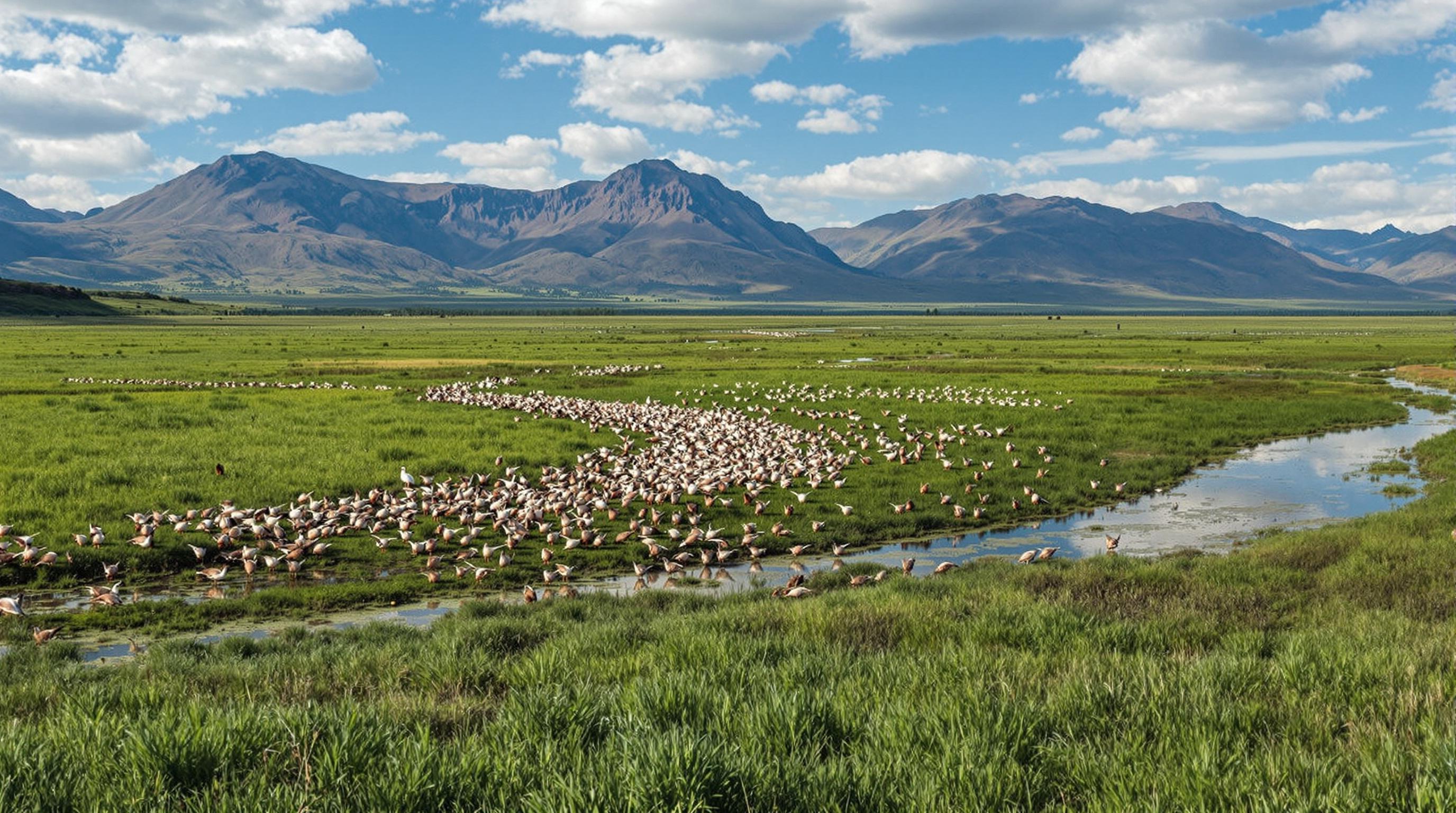
9 Extraordinary Wildlife Migration Routes That Showcase Nature's Spectacular Journeys Across Diverse Ecosystems
9 Extraordinary Wildlife Migration Routes That Showcase Nature's Spectacular Journeys Across Diverse Ecosystems
9 Extraordinary Wildlife Migration Routes That Showcase Nature's Spectacular Journeys Across Diverse Ecosystems
1. The Great Migration - Serengeti to Maasai Mara
The Great Migration is often hailed as one of the most remarkable wildlife spectacles on Earth, involving over a million wildebeest, along with zebras and gazelles. This migration occurs annually, with millions of animals traveling approximately 1,800 miles across the Serengeti National Park in Tanzania and the Maasai Mara in Kenya.
In pursuit of greener pastures and fresh water, these herds face numerous challenges, including predators such as lions, crocodiles, and hyenas. Each year, they embark on a journey timed by seasonal rains, showcasing the resilience and instinct of these magnificent creatures.
The migration not only attracts tourists from around the globe but also plays a vital role in maintaining the ecosystem balance, enriching the soil and supporting a multitude of other species dependent on this vibrant habitat.
2. Monarch Butterfly Migration
Each fall, millions of monarch butterflies embark on a daunting journey of over 3,000 miles from their breeding grounds in Canada and the United States to their wintering sites in central Mexico. This incredible migration is a multi-generational phenomenon, with the butterflies relying on instinct and climate cues.
The monarchs travel across diverse terrains, facing numerous environmental challenges along the way, including weather fluctuations and habitat loss. Their iconic orange and black wings not only signal their identity but also serve as a reminder of their incredible transformation and resilience.
This migration is crucial for the survival of the species, as it leads to areas where food sources are abundant and conditions for hibernation can be ideal. Conservation efforts are vital to ensure that migration routes remain intact to support these delicate travelers.
3. Arctic Tern Migration
The Arctic tern possesses one of the longest migration routes of any animal, traveling up to 44,000 miles annually from its breeding grounds in the Arctic to wintering sites in the Antarctic. This two-legged marvel is a master of navigation, expertly following its instinctual path across oceans.
This remarkable journey involves crossing some of the most treacherous waters of the planet, where they face hazards like storms and unpredictable temperatures. Yet, the reward is a life spent following the sun, with two summers a year as they flit between polar extremes.
Research indicates that the Arctic tern's migrations may even be influenced by global environmental changes, leading scientists to study their routes closely to gain insights into ocean health and climate patterns.
4. Humpback Whale Migration
Humpback whales undertake extraordinary migrations of up to 16,000 miles each year, traveling from their feeding grounds in polar regions to warmer breeding areas in the tropics. This journey showcases not only their physical prowess but also their social structure, as mothers and calves traverse these routes together.
During migration, whales employ echolocation to navigate their vast journey, communicating with one another through complex songs that are thought to play a role in mating and navigation. These vocalizations can travel long distances underwater, establishing a unique and communal experience.
This incredible migration is heavily influenced by seasonal changes, with whales returning to the same breeding grounds year after year, highlighting the strong bond of familial and social ties within their pods.
5. Salmon Migration - Pacific Northwest
Salmon are renowned for their incredible migration from the ocean back to their freshwater breeding grounds, often overcoming substantial barriers like rapids and waterfalls. This journey can span hundreds of miles and is a life-or-death endeavor, culminating in spawning.
The salmon's migrations help recycle nutrients back into the environment, supporting other species within the ecosystem. Their instinctive journey is vital for the health of the riverine systems they return to, creating rich habitats that sustain diverse wildlife.
However, modern challenges, such as dam construction and climate change, pose significant threats to these migrations. Conservationists are working diligently to restore habitats and allow salmon to travel freely, ensuring this remarkable cycle of life continues.
6. Caribou Migration - The Arctic Tundra
The caribou, or reindeer, undertake one of the largest land migrations, traveling over 3,000 miles each year across the Arctic tundra. This seasonal trek is essential for their survival, as they journey from calving grounds in the north to winter range in the south.
These massive herds depend on instinct and environmental cues to navigate their migration paths, adapting to changing weather and food availability. The sight of thousands of caribou crossing the landscape is breathtaking and serves as a vital part of Indigenous culture and sustenance.
However, climate change poses substantial threats to their migration patterns, altering the landscapes they rely upon for food and safety. Protecting these routes is critical to ensure the continued survival of the species and the ecosystems they inhabit.
7. Red Knot Migration
The red knot, a small shorebird, undertakes an epic migration of more than 9,300 miles between its breeding grounds in the Arctic and wintering areas in South America. During migration, the red knot relies on crucial stopover sites along the way to refuel and prepare for the extensive journey ahead.
These stopover sites play a critical role in the health of the red knot population, as they allow the birds to regain strength and energy after long flights across open ocean. Human activity and habitat destruction threaten these vital places, pushing conservationists to advocate for their preservation.
The red knot's migration highlights the intricate connections between species and their ecosystems, demonstrating the importance of protecting migratory paths not just for one species but for many that rely on shared habitats.
8. African Elephant Migration
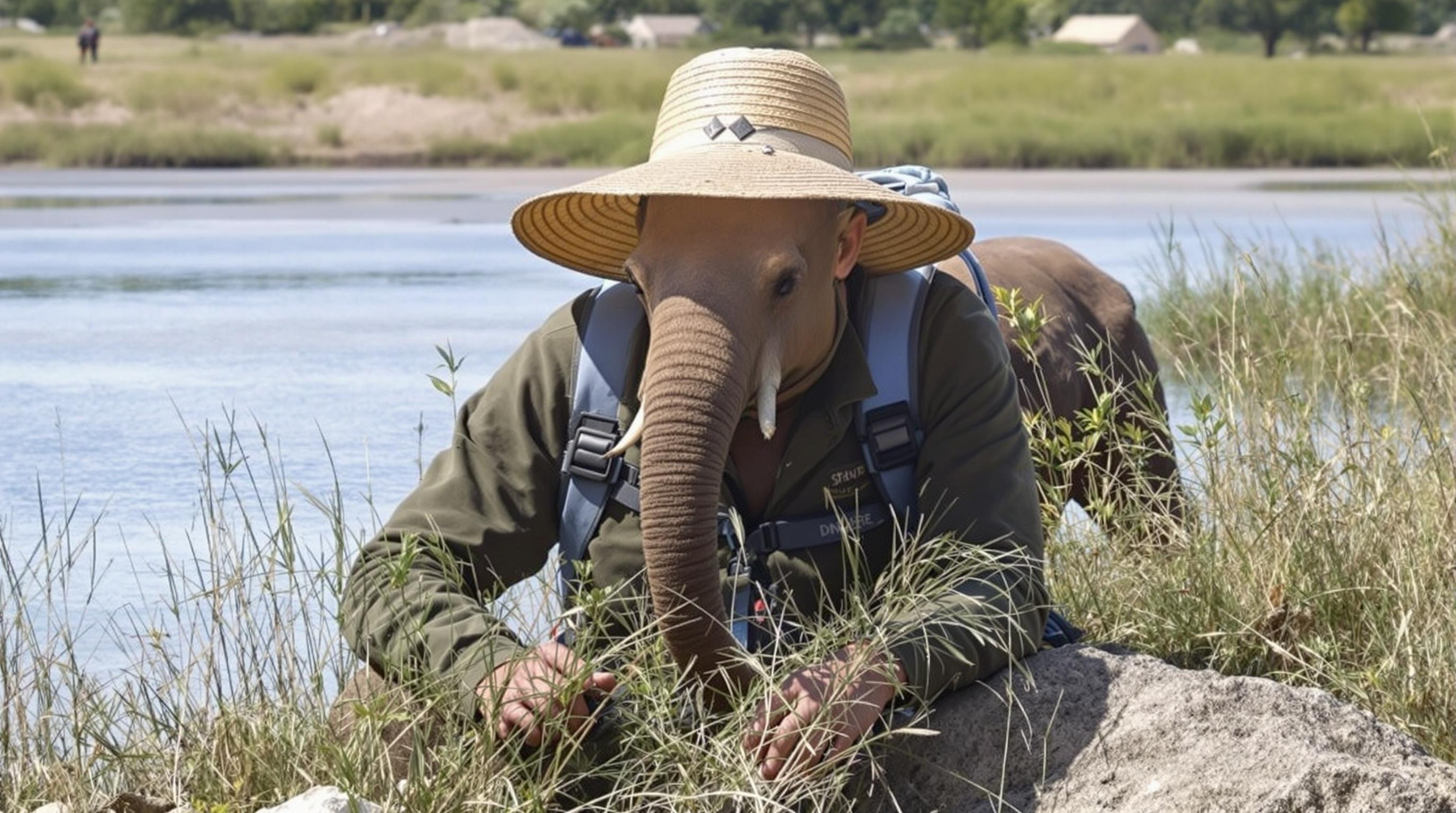
African elephants are known for their extensive migratory patterns, which can cover over 100 miles in a single day as they search for food and water across vast landscapes. These migrations play a critical role in maintaining the health of their ecosystems, as elephants help to shape their environment by knocking down trees and creating water holes.
Their migratory habits, which shift according to seasonal changes and food availability, reflect their remarkable adaptability and intelligence. Elephants often communicate their movements through sophisticated social networks, utilizing sounds and body language to inform herd members.
Unfortunately, human encroachment and poaching pose severe threats to these ancient migration routes, prompting conservationists to develop strategies for protecting these majestic creatures and their crucial paths across Africa.
9. Sperm Whale Migration
While sperm whales are known for their deep-sea hunts and social structures, they also exhibit seasonal migration patterns. Traveling between feeding grounds in colder waters and breeding sites in warmer seas, these intelligent mammals undertake journeys that can exceed 1,000 miles.
Sperm whales are capable of diving deep into the ocean, reaching depths of over 6,000 feet in search of squid, their primary prey. This adaptability in both their hunting and migratory behaviors challenges our understanding of their social interactions and feeding strategies in different environments.
With increasing human activities and climate fluctuations impacting marine ecosystems, understanding and preserving the routes of these deep-sea wanderers remains a critical element in marine conservation efforts, highlighting the delicate balance of oceanic life.
Read More