Related Articles
- Navigating Ethical Travel: The Role of Arts and Crafts in Supporting Local Economies and Cultures
- Rediscovering Ancestral Routes: How Ancient Trails Offer Insights into Sustainable Travel Practices
- The Ethical Dilemma of Luxury Travel: Splurging or Supporting Sustainable Development?
- Navigating Ethical Dilemmas: The Quest for Authenticity in Local Food Experiences While Traveling
- Beyond the Facade: Exploring the Subsurface Infrastructure of Iconic Historical Structures
- Curiosities Unearthed: The Surprising Connections Between Historic Sites and Modern Art Movements
The Ethical Dilemma of Wildlife Selfies: When Nature Meets Social Media
The Ethical Dilemma of Wildlife Selfies: When Nature Meets Social Media
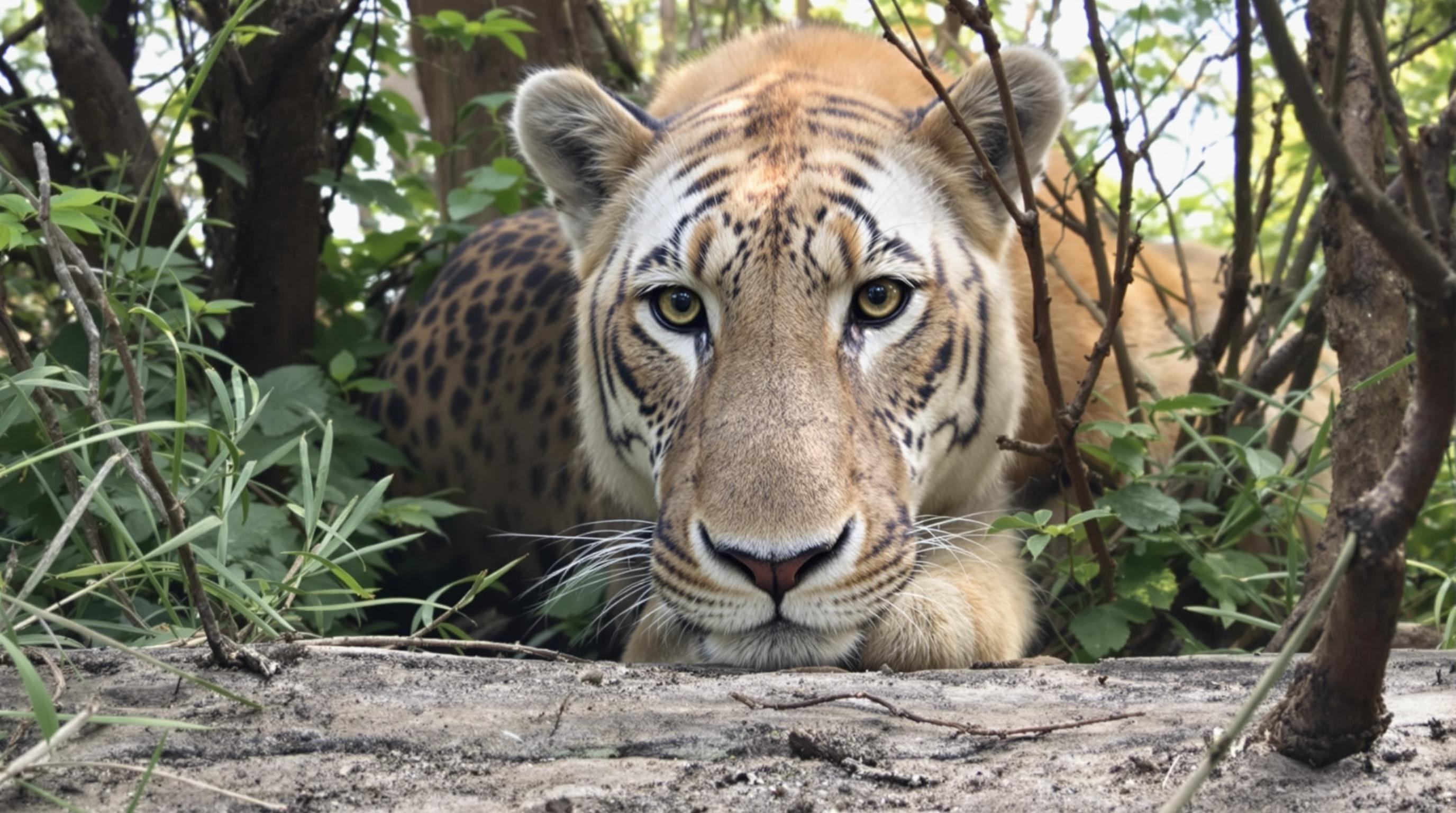
The rise of wildlife selfies on social media platforms raises significant ethical questions about our interactions with nature. As people click pictures with wild animals, they inadvertently contribute to behaviors that can harm both wildlife and ecosystems.
The Allure of the Wildlife Selfie
In today's digital world, the legendary phrase “If you didn’t post it, did it even happen?” echoes through the minds of many social media users. Wildlife selfies have become a badge of honor among influencers, travelers, and even everyday folks looking to showcase their adventurous spirit. From fluffy koalas in Australia to majestic lions in Africa, capturing a moment with wildlife has never been easier, nor has it ever held so much social clout. But at what price?
The TikTok Effect
The emergence of platforms like TikTok has only amplified the pressure to obtain the most eye-catching wildlife selfies. A video of a person sitting next to a sloth can rack up millions of views, enticing others to replicate this daring act. Research indicates that over 40% of young adults admit to engaging in risky behavior for the sake of social media attention (Yogev & Rysman, 2020). But what happens when these stunts endanger animal welfare?
Ethical Quandaries
The ethical dilemmas arise when we consider the consequences of these self-induced interactions with wildlife. For example, Australian researchers documented that koalas in popular selfie spots showed increased stress levels when approached by tourists (Park et al., 2021). These adorable bears may look cute, but they are also susceptible to a dangerous decline in population due to disturbance. Is a temporary social media fame worth the long-term damage to wildlife?
Case Study: The Elephant Incident
In a notorious example, a tourist in Thailand was filmed using food to entice an elephant closer for a selfie. The elephant, clearly distressed, was drawn into a frightening situation where the boundaries between human interaction and animal welfare blurred. The outrage that followed the video going viral sparked dialogues around responsible wildlife interactions, but more importantly, raised awareness about not endangering wildlife for social media likes.
Nature vs. Selfies: The Psychological Angle
Humans are naturally inclined toward a connection with animals, but the smartphone revolution has complicated this relationship. The dopamine rush from gaining likes and shares infuses pleasure into dangerous behaviors, leading to potentially exploitative interactions with wild animals. While selfies might offer immediate gratification, they disrupt the delicate balance between humans and animals. The Psychology of Social Media shows that 'likes' can create a dangerous feedback loop that encourages even riskier behavior for fleeting fame (Pintado et al., 2019).
Legislation and Wildlife Protection
To combat the negative impacts of wildlife selfies, various countries have started implementing regulations. In 2020, Costa Rica introduced new legislation prohibiting selfies with marine animals, placing animal welfare at the forefront of their tourism policies. The approach serves as a model for how to educate visitors about respecting wildlife rather than commodifying their presence for selfies.
A Word from Conservationists
Many conservationists are calling for responsible tourism practices. For instance, Dr. Lisa Schulte, an ecologist from the Nature Conservancy, argues, “The allure of an epic wildlife selfie often blinds us to the fact that every photo we take carries a responsibility. We should prioritize animal welfare over social media fame.” Dr. Schulte emphasizes that engaging with wildlife must be on their terms and not ours—an imperative to preserve natural behaviors and habitats for future generations.
Consequences of Neglect
Sadly, neglecting the ethical implications of wildlife selfies is leading to dire consequences. According to the World Wildlife Fund, one million species are at risk of extinction due to human activities (WWF, 2019). If these trends continue, reckless photographing in the name of social media popularity will only serve to amplify these statistics, further diminishing biodiversity.
Laughter in the Face of Ethics
Admittedly, there is a humorous side to this issue. Ever seen a photo of someone trying to take a selfie with a wild animal while that animal is clearly not having it? It's a mix of cringe and comedy, especially when the animal decides it’s lunchtime, not photo time. Realistically, many people underestimate the signs that an animal is distressed or uninterested, which can lead to amusing yet dangerous situations. It’s imperative to reflect on this—if the animal’s annoyed expression becomes a viral meme, what’s the ethical cost of that momentary laughter?
Practical Tips for Eco-Friendly Selfies
Here are some ground rules for wildlife selfies to ensure you prioritize the ethical treatment of animals rather than the allure of social media fame:
- Keep a respectful distance—use zoom features if your device has one.
- Avoid using food or other entities to lure animals.
- Stay informed about local wildlife regulations and follow them strictly.
- Share educational moments—encourage awareness around wildlife protection.
- Leave no trace—ensure nature remains undisturbed after your visit.
Redefining the Wildlife Encounter
So, how do we collectively redefine our interactions with wildlife? Perhaps it begins with a dialogue. Give each other permission to speak up when we see irresponsible behavior. Social media influencers can use their platforms for awareness, advocating for responsible tourism practices that respect wildlife habitats and promote ethical interactions. There’s a burgeoning community of “nature advocates” on Instagram that shifts the narrative away from selfies and towards education—and this movement can steer the social media narrative toward a more sustainable direction.
The Takeaway: Balancing Fame with Responsibility
In conclusion, the allure of wildlife selfies poses an ethical dilemma that society must confront. While capturing that perfect picture with a wild animal can feel thrilling, the emotional and physical toll on those creatures should take precedence. Striking a balance between digital fame and environmental integrity is a challenge worth tackling, and every individual can play a role.
As a 28-year-old writer passionate about wildlife and conservation, it's heartening to see the shift in mindset among younger generations who understand the weight of their social media actions. What we post online has power; let's wield that influence to protect the nature we cherish rather than exploit it for likes.
Final Thoughts
To truly embrace our love for wildlife, we must remember that nature is not a backdrop or an accessory but a world deserving respect, empathy, and protection. The next time you feel tempted to snap that perfect wildlife selfie, pause and think—what story are you telling? Are you honoring the animal, or merely seeking social media applause? After all, a moment in nature can be priceless, but every click carries weight.
Moving forward, let’s redefine the culture of wildlife engagement, ensuring every selfie contributes positively to the narrative of wildlife conservation.
Read More