Related Articles
- Navigating Ethical Travel: The Role of Arts and Crafts in Supporting Local Economies and Cultures
- Rediscovering Ancestral Routes: How Ancient Trails Offer Insights into Sustainable Travel Practices
- The Ethical Dilemma of Luxury Travel: Splurging or Supporting Sustainable Development?
- Navigating Ethical Dilemmas: The Quest for Authenticity in Local Food Experiences While Traveling
- Beyond the Facade: Exploring the Subsurface Infrastructure of Iconic Historical Structures
- Curiosities Unearthed: The Surprising Connections Between Historic Sites and Modern Art Movements
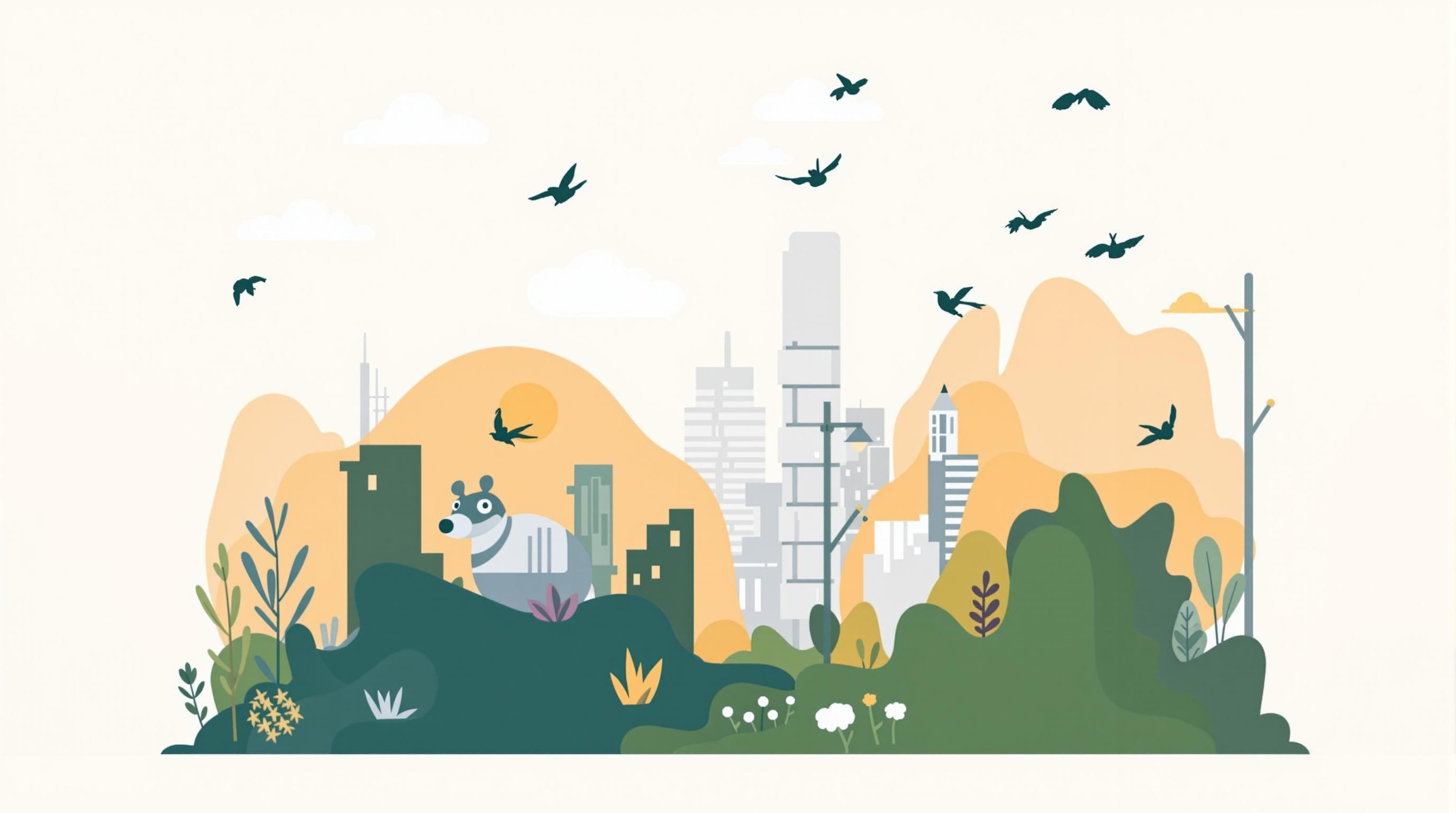
Traveling Off the Map: Discovering The Untamed Wilderness of Urban Ecosystems and Their Hidden Wildlife
Traveling Off the Map: Discovering The Untamed Wilderness of Urban Ecosystems and Their Hidden Wildlife
Traveling beyond the well-trodden paths of our urban environments reveals a thrilling world of hidden wildlife and untamed ecosystems. Urban spaces serve as unexpected sanctuaries for diverse flora and fauna, showcasing the resilience of nature amidst concrete jungles.
Introduction to Urban Wilderness
Have you ever strolled through a city park and felt a sudden flutter of wings or noticed the rustle of leaves that belongs to something wild? The unassuming urban ecosystem often masks an intricate tapestry of life, waiting for those curious enough to seek it out. From peregrine falcons prowling skyscrapers to raccoons rummaging through alleyways, urban wildlife thrives—inviting us to look closer.
Statistics That Surprise
According to a study published by the National Park Service, over 80% of the US population now resides in urban areas. What might surprise many is that this shift has paved the way for over 500 species of birds and more than 300 species of mammals to adapt to city life (Hammond, 2022). Cities inadvertently create habitats, making them rich ecosystems in their own right.
Forgotten Spaces: Urban Nooks and Crannies
Many urban dwellers might overlook a local community garden or rundown industrial site transforming into a vibrant natural haven. One such example is the High Line in New York City. Built on a decommissioned elevated railway, it has become a hotspot for native plant species and provides a habitat for various bird species, from warblers to kestrels. Urban wildlife is not merely surviving; it’s blossoming in the most extraordinary places.
A Day in the Life: The Urban Wildlife Explorer
So, what does a typical day of urban wildlife exploration look like? Picture this: You rise early, the sun spilling golden light through a café window. You sip your coffee and peruse your checklist—today, it’s all about the lesser-known critters of your city. A walk to the local green space produces a multitude of sightings: squirrels frolicking, a red-tailed hawk soaring, and bees buzzing among the flowering plants.
Peregrine Falcons: The Skyline Hunters
One might be surprised by the ferocity of nature in urban settings. In major cities like Chicago, New York, and San Francisco, peregrine falcons have made their homes. These birds of prey can be seen nesting on skyscrapers, diving at speeds of over 200 mph to hunt their meals, a striking juxtaposition against the urban backdrop (Smith, 2022).
Case Study: The Rise of Urban Beekeeping
Urban beekeeping is another fascinating aspect of city wildlife. A recent survey from the Pollinator Partnership revealed that around 2,500 urban beekeepers are actively cultivating bees in cities across North America (Pollinator Partnership, 2021). This movement not only boosts pollinator populations but positions urban areas as critical spaces for biodiversity. In places where green areas may be limited, rooftops become verdant spots teeming with life.
Embracing Nature in Urban Spaces
The idea of incorporating nature into our urban lives is becoming increasingly popular. Cities are increasingly rising to the challenge, implementing vertical gardens, creating green roofs, and enhancing existing parks. The COVID-19 pandemic showcased this idea brilliantly as individuals flocked to parks and outdoor spaces for mental and physical reprieve.
Fun Facts: Nature in the City
Did you know that even New York City boasts over 600 species of vertebrates? Or that Toronto’s urban forest is home to over 10 million trees? It's staggering to think that nestled among urban chaos lie these vital ecosystems that quietly contribute to our planet’s health.
The Challenges of Urban Wildlife
While urban environments can foster unexpected biodiversity, they also present numerous challenges. One major concern is habitat fragmentation. As cities expand, wildlife corridors—pockets of nature connecting habitats—are often severed, making it increasingly difficult for animals to migrate and reproduce. Additionally, pollution and human-wildlife conflict can disproportionately affect urban fauna.
Conservation Efforts: A Call to Action
These challenges illuminate the need for conscientious urban planning and community efforts. Groups like the Urban Wildlife Institute are working to monitor and protect local species through habitat restoration and public education. Supporting local biodiversity initiatives not only benefits wildlife but enhances our quality of life.
Humorous Encounters with Urban Wildlife
Engaging with urban wildlife isn’t always a majestic experience. One resident in Los Angeles shared a story of discovering a raccoon waddling toward her BBQ set at midnight. “I definitely wasn’t prepared for the fact that I’ve officially become the local raccoon’s midnight snack provider,” she chuckled. These moments remind us of the quirky intersections of wildlife and urban life, infusing humor into encounters we might not expect.
The Role of Urban Green Spaces
Community parks and gardens are instrumental sanctuaries for urban biodiversity. They serve as critical resting spots for migrating birds and provide homes for various insect species. This is particularly evident during the migratory seasons, where urban parks become buzzing hubs of activity, showcasing a seamless blend of urban life and natural beauty.
From Personal Experience: The Eco-Conscious City Dweller
At 23, as a passionate city explorer, I’ve taken it upon myself to contribute to my local ecosystem. Inspired by the movement towards sustainability, I’ve transformed my small balcony into a potted garden filled with wildflowers. The rewards have been delightful! Butterflies have flocked, and it feels like my little corner of the city is breathing. Not a single green space is too small to host diversity.
Bridging the Gap Between Nature and Urban Life
As the interest in sustainable living and ecotourism grows, it’s essential to create a bridge between urban life and nature. Educating ourselves and our communities about the importance of urban wildlife can elevate our experience of nature. Schools and local organizations should be encouraged to create programs promoting environmental stewardship, helping younger generations build a connection with the wildlife that cohabits their cities.
Conclusion: A Future of Coexistence
As we conclude our exploration of urban ecosystems, remember that awe-inspiring wildlife is hidden just beyond the familiar sights of our cities. There’s a vibrant wilderness woven throughout our daily lives that deserves attention and protection. By traveling off the map of our usual routines and integrating our lives with the rhythms of urban wildlife, we pave the way for a future where nature and humanity coexist harmoniously.
Read More