Related Articles
- Navigating Ethical Travel: The Role of Arts and Crafts in Supporting Local Economies and Cultures
- Rediscovering Ancestral Routes: How Ancient Trails Offer Insights into Sustainable Travel Practices
- The Ethical Dilemma of Luxury Travel: Splurging or Supporting Sustainable Development?
- Navigating Ethical Dilemmas: The Quest for Authenticity in Local Food Experiences While Traveling
- Beyond the Facade: Exploring the Subsurface Infrastructure of Iconic Historical Structures
- Curiosities Unearthed: The Surprising Connections Between Historic Sites and Modern Art Movements
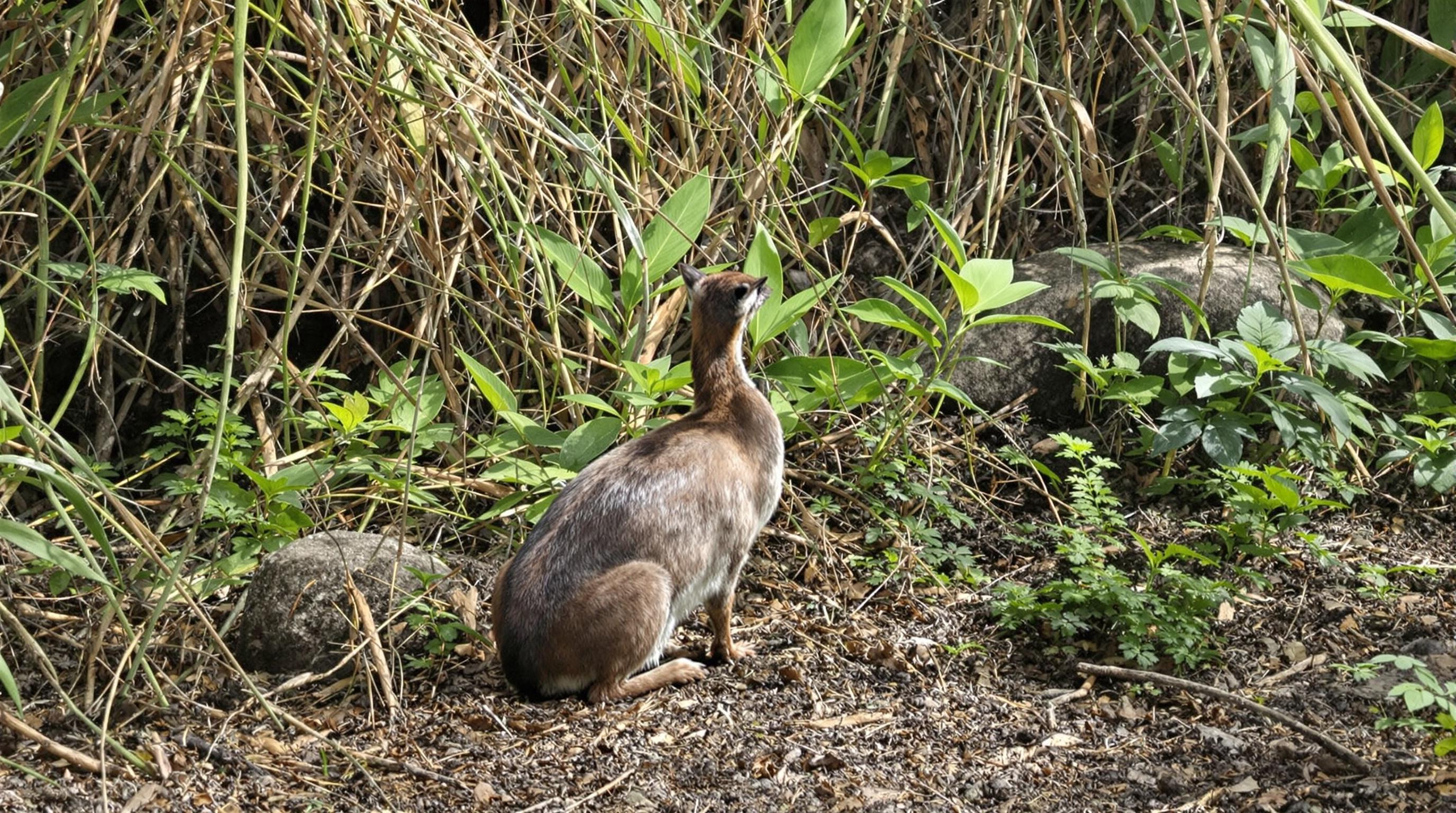
Uncharted Wildlife: Journeys Through Disappearing Habitats and the Species on the Brink
Uncharted Wildlife: Journeys Through Disappearing Habitats and the Species on the Brink
The natural world is experiencing a cataclysmic shift, with habitats vanishing at an alarming rate and species teetering on the brink of extinction. This journey through disappearing ecosystems not only reveals the astonishing resilience of wildlife but also calls us to take action in preserving what remains.
Understanding the Crisis
As a 26-year-old environmental enthusiast, I often find myself reflecting on the precarious state of our planet's biodiversity. According to the World Wildlife Fund's (WWF) 2020 Living Planet Report, populations of mammals, birds, amphibians, reptiles, and fish have declined by an average of 68% since 1970. This staggering statistic illustrates the urgent need to understand the complex interplay between human action and wildlife survival.
The Disappearing Act of Habitats
From the lush rainforests of the Amazon to the expansive grasslands of the Serengeti, vital habitats are under siege. Deforestation, pollution, and urban expansion are driving habitats to the brink of collapse. For instance, in the last 50 years, over 1 million square kilometers of rainforest have been lost — an area larger than the entirety of Peru (FAO, 2020). These spaces aren't just beautiful; they are ecosystems that support countless lives.
Species on the Brink: The Case of the Vaquita
Consider the vaquita, a small porpoise found only in the northern part of the Gulf of California. With an estimated 30 individuals remaining, the vaquita is often cited as the world’s rarest marine mammal, a symbol of the dire consequences of human activities. Gillnets, used for illegal fishing of another endangered species, the totoaba, have drastically reduced their numbers. The plight of the vaquita is not an isolated case; it's a warning sign of what’s to come if we do not change course.
Once Upon a Time in the Jungle
Let me take you on a quick storytelling journey through the heart of an untouched rainforest. Imagine standing amidst towering trees, the air thick with humidity and the sounds of countless creatures singing their songs. In this green cathedral, there are species yet to be discovered, like the recently identified *Olinguito*, a cute, little mammal that resembles a cross between a raccoon and a kitten. But wait—this sanctuary of biodiversity is not immune to human hands. Just a few years later, a significant portion of this lush wonderland was cleared to make way for agriculture and urban development.
Why Should We Care?
Now, you might be wondering, "What’s it to me?" A fair question! But consider this: biodiversity is crucial for our survival, providing essential services such as clean air, fresh water, and fertile soil. Plus, the loss of species can lead to the breakdown of ecosystems, which can ultimately affect food supply and health. Urban sprawl might seem disconnected from the plight of a distant animal, but everything is interconnected; a butterfly flapping its wings can create a hurricane of consequences closer to home.
Real Stories: Conservation in Action
But wait—there's hope! People across the globe are stepping up for conservation. In Madagascar, scientists are working tirelessly to protect the unique species that live there. The Lemur Conservation Network reports that local communities now engage in ecotourism, which provides financial incentives to preserve their wildlife, creating a feedback loop of protection and profit. Who knew that a little financial motivation could lead to such a significant impact?
Statistics that Shock
Let’s hit you with some more eye-opening numbers. According to the UN, approximately 1 million species are at risk of extinction due to human activities. That’s nearly 1 in 8 species! Among these, amphibians are particularly vulnerable, with a staggering 41% currently facing extinction. Up next on the critical watch list are birds and mammals, with 13% and 25% classified as threatened, respectively. These figures are sobering reminders that every action has consequences.
A Call to Arms: How You Can Help
Want to make a difference? You don’t need to be a scientist or world leader! Even small actions, like reducing plastic usage, supporting wildlife-friendly products, or even volunteering at local conservation efforts, can create rippling effects that mount to significant change. Every individual has the power to contribute to the sustainability of our ecosystems, from passionate teens to seasoned environmental activists.
Humor in the Face of Extinction
Now, let’s take a moment for a chuckle. Picture this: A polar bear, wearing shades and sipping a margarita on a tropical beach, lamenting, "Geez, it’s getting hot in here!" While this image is downright absurd, it serves to remind us that climate change is a reality that affects even the most remote species. Nature can be funny, yet the consequences of our actions are anything but hilarious.
Ecological Niches: The Risk of Losing Them
Every species plays a unique role, or 'niche,' in its ecosystem. Think of it as a cast in a theater production; without one actor, the entire play might flop. For example, the elephant is often referred to as a 'keystone species' in African savannas. Their ability to knock down trees helps maintain the grasslands that support other species. A decline in elephant populations could lead to the destruction of these ecosystems, potentially spiraling into chaos.
The Power of Education
Education is critical in nurturing the next generation of earth stewards. Schools incorporating environmental education into their curricula create awareness and advocacy at grassroots levels. Imagine young children learning about their local ecosystems through field trips, becoming passionate about the plants and animals they once overlooked. With only 25% of people reported as knowledgeable about wildlife protection efforts (Nielsen, 2021), it’s clear that education plays a pivotal role in changing the narrative.
Case Study: The Amazon Rainforest
On a broader scale, the Amazon rainforest, often dubbed “the lungs of the Earth,” has faced massive deforestation, losing about 17% of its area over the past 50 years. Yet efforts are underway to reverse this trend. Indigenous tribes are reclaiming their land and practicing sustainable farming techniques, effectively halting destructive practices—reminding us all that nature can heal if given a chance.
Join the Revolution
If the future of wildlife hangs in the balance, we all have a role to play. Igniting conversations about conservation can inspire others to take action. Think of it as starting a grassroots revolution—one that can flourish in your local community. Use social media hashtags, participate in community clean-ups, or simply spread the word about endangered species. Helping protect habitats and wildlife is not just a duty—it’s an adventure worth embarking on!
Sharing Their Stories
Let’s close with a call for compassion. Many species face unimaginable struggles as their habitats vanish, and much of it stems from our activities. By amplifying their stories, through documentaries or vibrant campaigns, we remind the world that these creatures are not just numbers in a report; they are beings fighting to survive, much like us. Think of the polar bear, the wolf, or the mighty elephant, each with its unique story and significance. Their cries for help resonate; we must not turn a deaf ear.
Conclusion: Leaving a Legacy
As we navigate our paths through this ever-changing world, we must keep in mind that every action counts. The loss of biodiversity and habitat is not a distant issue; it’s a pressing reality that affects us all. The question is not whether we can make a difference; it’s what we are willing to do to ensure a rich tapestry of life continues for generations to come. We have the knowledge, the tools, and the capability. The time for action is now.
Read More