Related Articles
- Navigating Ethical Travel: The Role of Arts and Crafts in Supporting Local Economies and Cultures
- Rediscovering Ancestral Routes: How Ancient Trails Offer Insights into Sustainable Travel Practices
- The Ethical Dilemma of Luxury Travel: Splurging or Supporting Sustainable Development?
- Navigating Ethical Dilemmas: The Quest for Authenticity in Local Food Experiences While Traveling
- Beyond the Facade: Exploring the Subsurface Infrastructure of Iconic Historical Structures
- Curiosities Unearthed: The Surprising Connections Between Historic Sites and Modern Art Movements
Unveiling Nature's Secrets: The Fascinating World of Urban Animal Adaptations in Unexpected Places
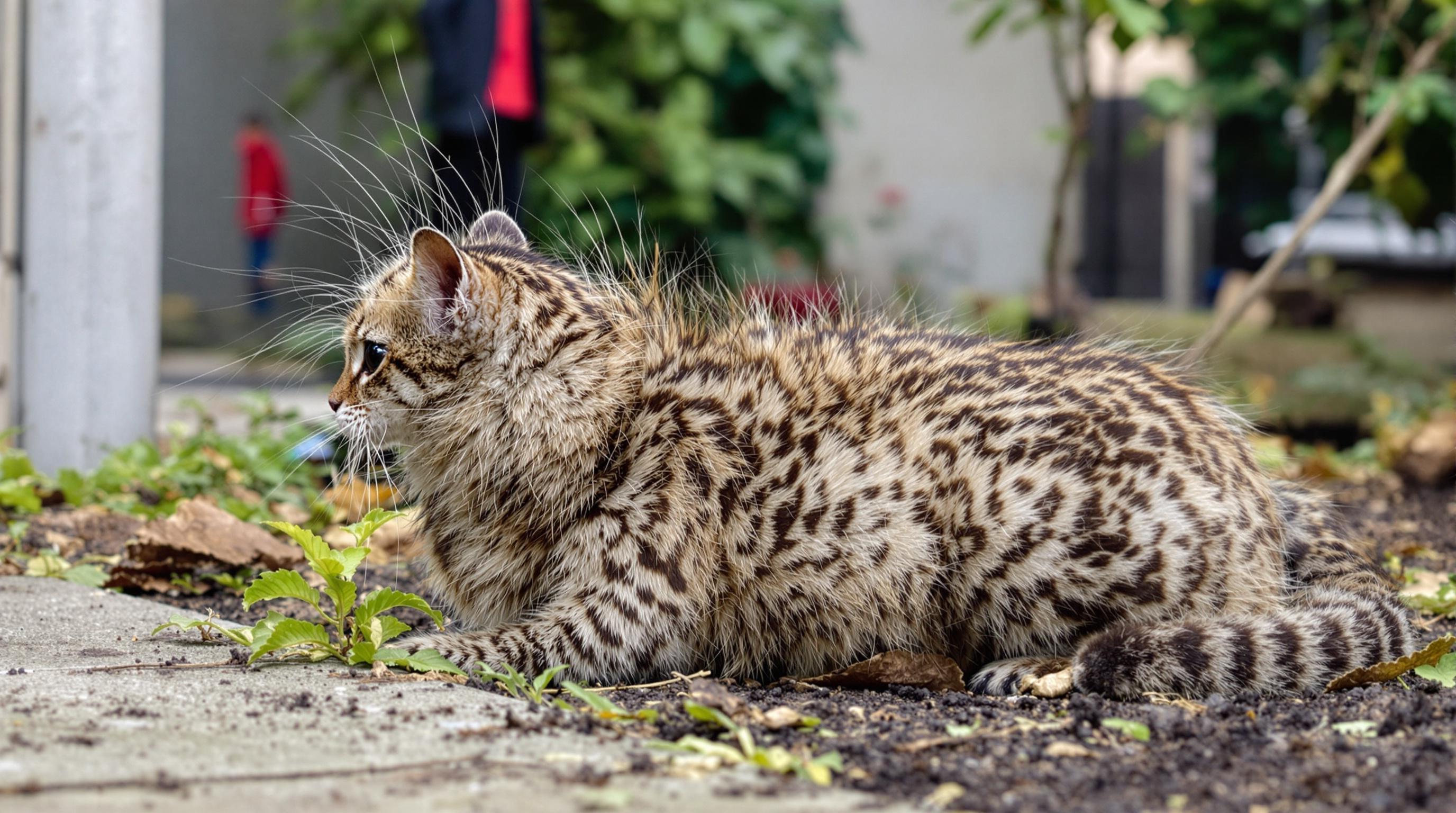
Unveiling Nature's Secrets: The Fascinating World of Urban Animal Adaptations in Unexpected Places
Urban environments are home to a surprising array of animal species that have adapted in unique and fascinating ways to coexist alongside humans. This article explores various urban animal adaptations, uncovering their secrets and revealing how they thrive in unexpected places, all while sharing captivating stories and insights.
Nature's Resilient Creatures
As humanity expands into more urban areas, the natural habitats of countless species are being transformed into concrete jungles. While many animals face significant challenges, some have evolved remarkable adaptations that enable them to forge a life amidst the chaos of city living.
Urban Raccoons: The Bandits of the City
Raccoons are often seen as the bandits of urban environments. These clever creatures, with their masked faces and dexterous paws, have honed their skills in foraging and problem-solving to thrive in cities. A study conducted by the University of Illinois showed that urban raccoons have larger brain sizes when compared to their rural counterparts, suggesting that living in complex environments enhances their cognitive abilities (Woods et al. 2010).
Raccoons are not just scavengers; they often exhibit advanced behaviors like using tools to open trash bins. Observations in cities like Toronto and Chicago have led researchers to document raccoons learning from one another, indicating a level of social learning that was previously underappreciated. These 'banquets' of urban waste act as an endless supply of food, showcasing how adaptability can lead to behavioral ingenuity.
Birds of a Feather: Urban Avian Adaptations
Birds have always found ways to adapt to human-altered landscapes. Take, for instance, the house sparrow and the rock pigeon. These birds are not only surviving but thriving in bustling environments, demonstrating an incredible ability to navigate and exploit urban resources.
Interestingly, studies have shown that urban birds may sing at higher pitches than rural birds. This adaptation serves a functional purpose: higher-frequency sounds travel better in noisy environments, allowing urban birds to communicate effectively amid the din of traffic and construction (Slabbekoorn & Peet, 2003). More importantly, their ability to learn from environmental cues means they can adjust their behavior to meet the challenges posed by urban living.
The Unseen Urban Ecosystem
Urban environments are not just a backdrop for human activity; they are ecosystems in their own right. Beneath the surface of every city lies a bustling world of creatures that have learned to thrive in these altered landscapes. For example, a study by the National Park Service reported that urban parks can support diverse wildlife populations, potentially rivaling natural habitats in biodiversity (NPS, 2014).
Interestingly enough, many people are not aware of the variety of species that adapt to urban life. Researchers at the City University of New York found over 150 species of birds and 30 types of mammals successfully coexist in New York City alone (Cameron et al. 2012). This phenomenon of urban biodiversity not only enriches the city's cultural fabric but serves as a critical reminder of nature's resilience.
Case Study: The Great Urban Coyote
One of the most compelling success stories in urban animal adaptation is that of the coyote. Once primarily associated with rural landscapes, coyotes have made themselves at home in cities like Los Angeles, Chicago, and even Toronto. Experts estimate that over 2,000 coyotes may roam central Los Angeles alone (Zeller, 2012). Their secret to survival? An adaptable diet that includes everything from rodents to discarded takeout food.
Research reveals that urban coyotes have learned how to navigate human routines, often avoiding humans while foraging at night. Their ability to coexist with urban life is a testament to their cleverness. Interestingly, urban coyotes maintain a wide range of vocalizations, adapting their calls to suit their environment. Each howl can serve multiple purposes, from territory marking to social communication (Gehrt & Riley, 2010).
The Furry Urbanites: Squirrels and Their Ingenious Solutions
Squirrels may be one of the most visible urban animals, often seen darting across streets or raiding bird feeders. Their remarkable ability to adapt to urban landscapes is nothing short of fascinating. From their impressive acrobatics to their keen problem-solving skills, squirrels have taken to city life with gusto.
In cities, squirrels face a unique challenge: limited natural food sources. In response, they have learned to rely on human-created opportunities, such as bird feeders and garden plants. They are also notorious for their cache-and-bury strategy, where they hide food items in various locations to ensure a winter supply. Interestingly, researchers discovered that urban squirrels exhibit improved spatial memory compared to their rural cousins, likely due to the need to navigate a more complex environment and locate their hidden treasures (Sullivan et al., 2015).
The Unexpected Architect: Urban Bees
Have you ever considered the humble bee and its role in urban ecosystems? Urban areas, often considered food deserts for wildlife, do in fact host thriving bee populations. Despite the concrete surroundings, many species of bees, including honeybees and native bumblebees, have adapted to urban settings by seeking alternative nesting sites, such as balconies, rooftops, and community gardens.
In cities, bees may find abundant flowering plants in parks and gardens, allowing them to perform their critical role as pollinators. A study by the Royal Botanic Gardens reported that urban gardens harbor over 80% of the city’s bee species, highlighting their importance for urban biodiversity and food production (RBG, 2018). Thus, these tiny architects are not only sustaining their species but are also crucial to the health of urban ecosystems.
Humorous Encounters with Urban Wildlife
Life in the city comes with its own set of humorous encounters with wildlife. Picture this: a raccoon caught red-pawed trying to make off with a slice of pizza from a street vendor. Or the perplexed look on a dog owner's face as their pet engages in an animated chase with a plucky squirrel that knows no fear.
These amusing scenarios highlight the adaptability and tenacity of urban wildlife. They have learned how to exploit human behavior, leading to countless funny moments. For instance, one viral video captured an urban fox casually strolling through a busy intersection as if it owned the place, unfazed by the honking cars. Such moments remind us that while city living is chaotic, it's equally entertaining.
Moving Forward: Coexisting with Urban Wildlife
As cities continue to expand, embracing the presence of urban wildlife is essential. Educational programs aimed at promoting awareness of these adaptations can foster a sense of responsibility among city dwellers. By understanding that wildlife are our companions in this modern landscape, we can learn to coexist in a way that benefits both species.
One idea is to create urban wildlife corridors—designated areas where animals have safe passage through the concrete jungle. This initiative can help facilitate movement between habitats, ensuring that wildlife populations remain healthy and sustainable. From installing green roofs to developing community gardens, there are many creative outlets through which we can welcome wildlife into our urban environments.
Conclusion: Celebrating Nature's Cleverness
The vibrant tapestry of urban wildlife serves as a reminder of nature's resilience. Through their incredible adaptations, these species not only survive but flourish in unexpected places. By embracing the stories of these urban animals, we gain a greater appreciation for the world around us, one that is richer and more diverse than we often recognize.
In the end, let us celebrate the incredible adaptations of urban animals, from the cunning raccoon to the industrious bee. They may be small and often overlooked, but their legacy is a powerful testament to nature's cleverness, reminding us that regardless of how altered our environment becomes, life finds a way.
Read More