Related Articles
- Navigating Ethical Travel: The Role of Arts and Crafts in Supporting Local Economies and Cultures
- Rediscovering Ancestral Routes: How Ancient Trails Offer Insights into Sustainable Travel Practices
- The Ethical Dilemma of Luxury Travel: Splurging or Supporting Sustainable Development?
- Navigating Ethical Dilemmas: The Quest for Authenticity in Local Food Experiences While Traveling
- Beyond the Facade: Exploring the Subsurface Infrastructure of Iconic Historical Structures
- Curiosities Unearthed: The Surprising Connections Between Historic Sites and Modern Art Movements
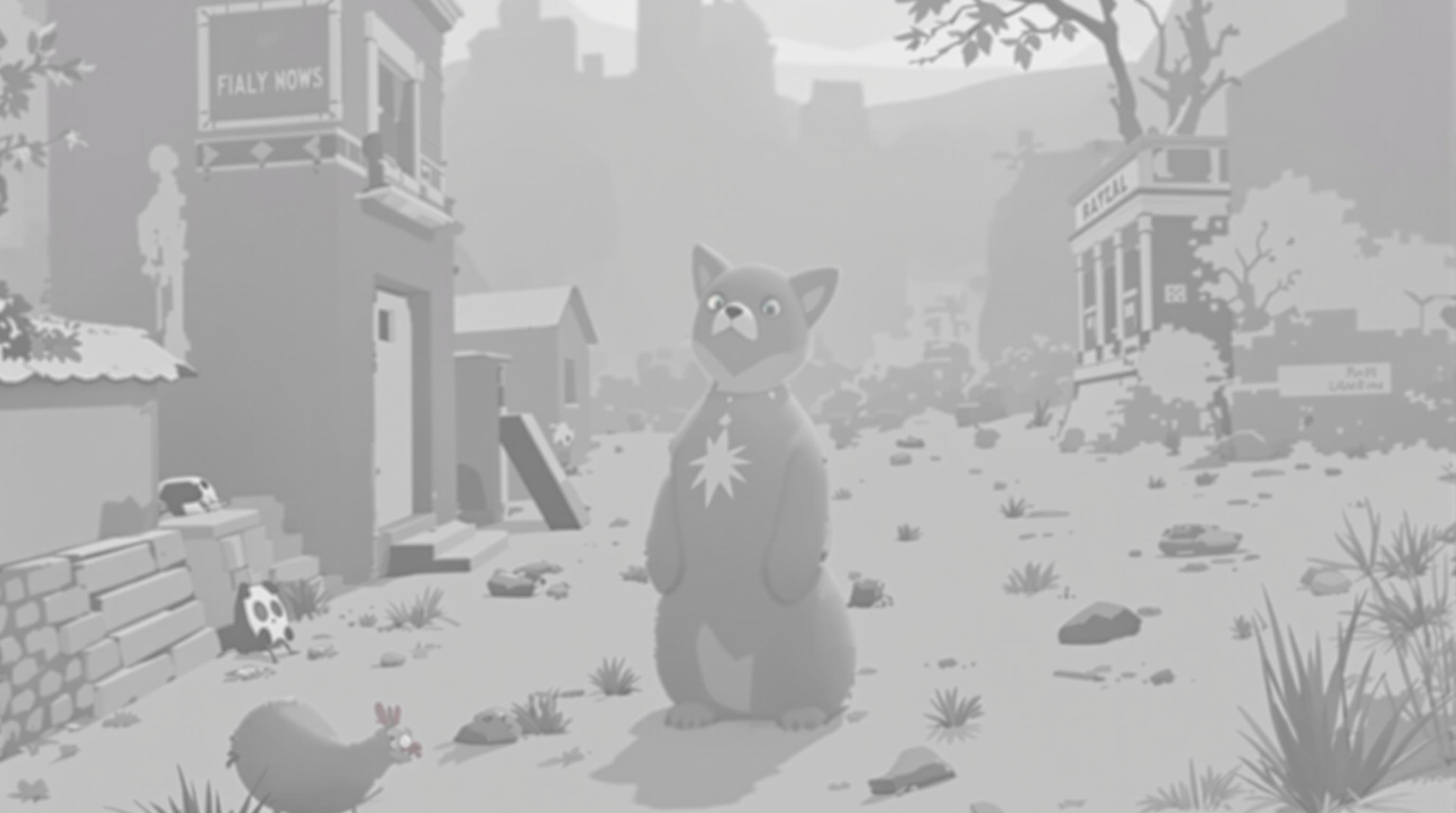
Whispers of the Past: Unraveling the Enigma of Ghost Towns and Their Unlikely Wildlife Residents
Whispers of the Past: Unraveling the Enigma of Ghost Towns and Their Unlikely Wildlife Residents
Ghost towns capture the imagination with their haunting remnants and evocative stories of a bygone era. These deserted places, often rich in history, have surprisingly become sanctuaries for a variety of wildlife, creating an enigmatic blend of nature reclaiming its territory amidst human abandonment.
Exploring Ghost Towns: A Journey Through Time
As we step into the world of ghost towns, it’s easy to feel a sense of nostalgia. Imagine wandering through abandoned streets lined with decrepit buildings, where the whispers of the past echo off the walls. This journey can evoke images of wild west towns, mining settlements, or even bustling cities that simply fell silent overnight.
Statistical Shadows: The Rise and Fall of Ghost Towns
In the United States alone, there are estimated to be over 3,800 ghost towns, based on recent surveys. These locations, once vibrant with life, often succumbed to economic downturns, natural disasters, or the relentless push for better infrastructure. Take, for example, the gold mining town of Bodie, California, which had a population exceeding 10,000 during its peak in the late 1800s, only to dwindle to a mere handful by the 1940s.
The Wildlife Takeover: A New Normal
But after the last inhabitants packed their belongings, who took their place? Nature doesn’t wait. Animals have a remarkable ability to adapt, and ghost towns have provided a unique habitat for various species. In these abandoned environments, one can find everything from deer and coyotes to rabbits and even hawks nesting amongst the ruins.
Case Study: Chernobyl - A Ghost Town of Exceptional Wildlife
One of the most compelling examples of wildlife flourishing in a ghost town is Chernobyl, Ukraine. Following the infamous nuclear disaster in 1986, the town of Pripyat was evacuated, leaving behind an entire city untouched by humans. Undoubtedly, this unsettling event was tragic for the people; however, it inadvertently became a refuge for wildlife. Studies have shown that species like wolves, wild boars, and even bison are thriving in the radioactive zone, showcasing the resilience of life even in the most inhospitable conditions (Smith, 2020).
A Conversational Look at Local Legends
So, ever heard the ghost stories surrounding these towns? Each locale has its own collection of tales that could make your hair stand on end. From apparitions in dilapidated saloons to the ghostly sounds of laughter from children who once graced these streets, the lore adds another layer of intrigue to these haunting places. And who doesn’t love a good ghost story to share around a campfire?
The Economics of Abandonment
Beyond the gothic appeal and wild residents, let’s talk numbers. The economics surrounding these ghost towns often reveal stark realities; towns often collapsed due to loss of industry or resources. For instance, the mining town of Great Basin in Nevada saw a sharp decline when silver prices crashed in the 1880s, leading the town to dwindle from about 3,000 people to a mere twenty in just two decades.
Humorous Anecdotes: The Animals’ Perspective
Imagine for a moment if animals could talk. “Finally! No humans to bother us!” they might quip. “Check out that old saloon—perfect for a midday nap!” It’s amusing to think about how deer might casually stroll through an abandoned diner, snacking on what’s left of some old flora, or how raccoons would hold nightly parties in a crumbling church. These critters don’t just inhabit ghost towns; they own the night.
Environmental Impact: Nature’s Resilience
As these ghost towns stand, nature has a remarkable way of healing. In places where humans once altered landscapes dramatically, wildlife returns with vigor. The phenomenon known as “re-wilding” showcases this resilience, where areas left untouched for decades can revert back to rich ecosystems. For instance, in places like the American Southwest, sightings of elk have increased dramatically in regions once heavily developed for mining.
Why We Should Care About Both Ghost Towns and Their Residents
Preserving these ghost towns is not just about nostalgia but understanding ecological processes. By documenting their stories, we gain valuable insights into how our environments evolve over time. Furthermore, encouraging local governments to protect these spaces can help safeguard wildlife habitats and promote biodiversity. The link between our past and the present can be a strong argument for conservation that intertwines history with ecology.
Gazing Into the Future
While the past whispers its tales through the crumbling walls and empty streets, the future calls us to listen. Ghost towns, with all their eerie beauty, are more than just remnants of human habitation; they are vital ecosystems. With wildlife adapting to these unique habitats, we’re given a glimpse of how life can flourish unchecked by human progress.
Final Thoughts: Embracing The Enigma
As we peel back the layers of these shadowy places, we embrace a tale not just of abandonment but of renewal. Visiting these ghost towns not only satisfies our curiosity but also kindles a deeper appreciation for the intricate balance of ecosystems and the enduring resilience of nature. So next time you find yourself driving through the remnants of a ghostly town, take a moment to ponder: Who else is calling this place home?
In summary, the enigma of ghost towns and their wildlife residents opens up essential conversations about history, ecology, and conservation. By cherishing the remnants of the past, we can forge a brighter, more sustainable future for all living beings.
Read More