Related Articles
- Navigating Ethical Travel: The Role of Arts and Crafts in Supporting Local Economies and Cultures
- Rediscovering Ancestral Routes: How Ancient Trails Offer Insights into Sustainable Travel Practices
- The Ethical Dilemma of Luxury Travel: Splurging or Supporting Sustainable Development?
- Navigating Ethical Dilemmas: The Quest for Authenticity in Local Food Experiences While Traveling
- Beyond the Facade: Exploring the Subsurface Infrastructure of Iconic Historical Structures
- Curiosities Unearthed: The Surprising Connections Between Historic Sites and Modern Art Movements
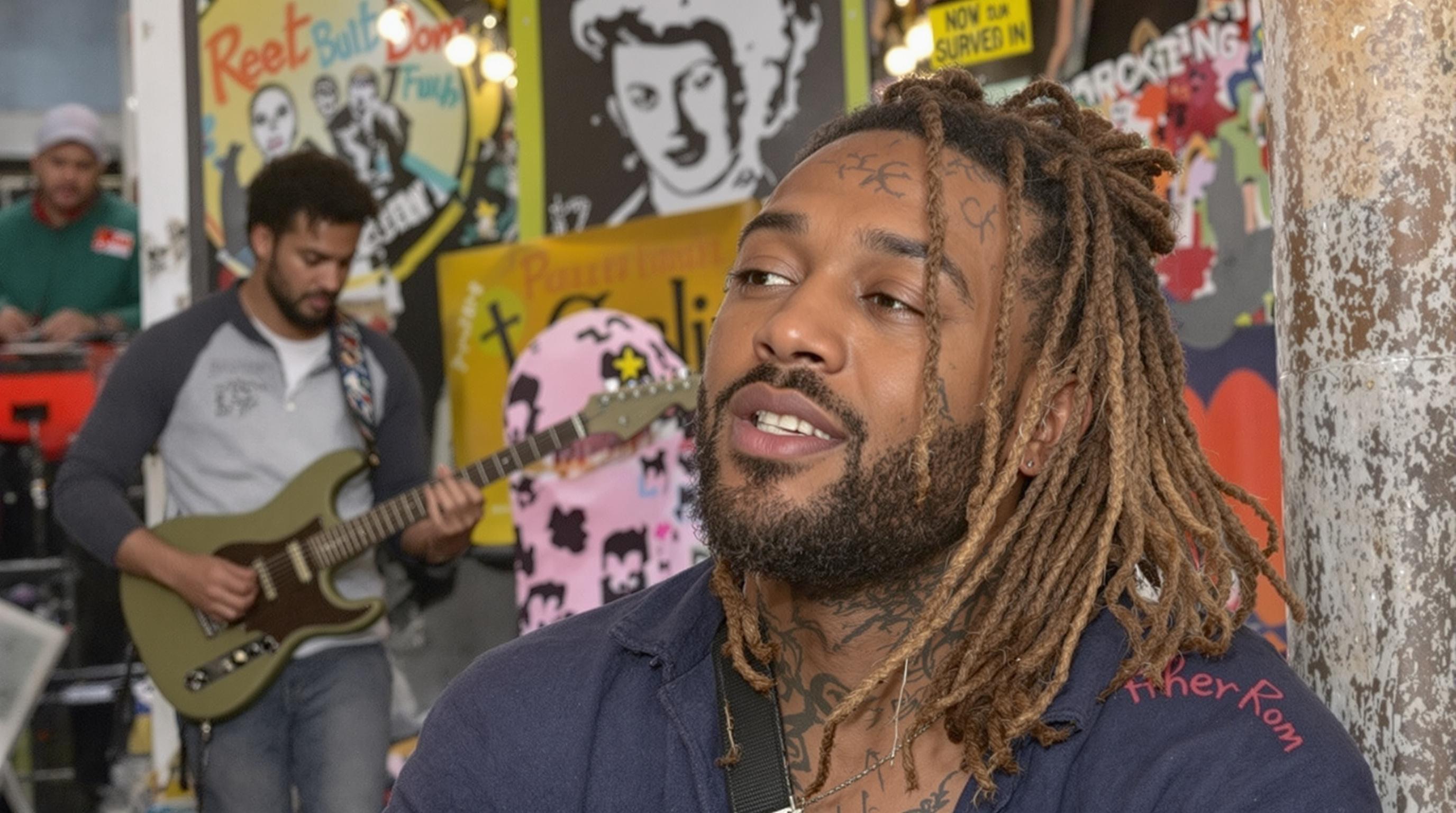
Bound by Song: How Underground Music Movements Fuel Unexpected Cross-Cultural Connections
Bound by Song: How Underground Music Movements Fuel Unexpected Cross-Cultural Connections
Underground music movements create vibrant, unexpected connections that transcend cultural boundaries. By exploring these genres, we uncover stories and data that illustrate how music serves as a universal language across diverse populations.
Soundscapes of the Underground
Did you know that 75% of the world’s music markets are dominated by just a handful of major labels? According to a report by MIDIA Research, independent or underground labels are the breeding grounds for some of the most innovative and culturally rich music that often defies mainstream trends. This is where our story begins.
A Journey Through Genres
From the gritty warehouses of Detroit techno to the vibrant punk rock clubs of London, underground music scenes serve as cultural beacons. These spaces are not merely places to enjoy music; they are cultivating grounds for social change, where ideologies mix and influence each other. In Berlin, for example, techno is not just a genre but also a lifestyle that embraces freedom, inclusion, and diversity.
Let’s take a moment to reminisce about the punk rock movement in the late 1970s. Who would have thought that a simple drum beat accompanied by loud guitars could send shockwaves across continents? Punk gave voice to disillusioned youth, galvanizing a generation that felt unheard. Today, the DIY ethos of punk inspires countless artists worldwide, from those in Tokyo to those in Buenos Aires.
Case Study: The Global Spread of Reggaeton
Moving to the vibrant world of reggaeton, we see this genre’s roots in Puerto Rico and its evolution into a global phenomenon. Artists like Daddy Yankee and Bad Bunny have propelled reggaeton to the forefront of the mainstream music scene, but what’s intriguing is how it has retained its underground essence. The genre ingeniously blends traditional Caribbean sounds with hip-hop and electronic influences, appealing to youth cultures from the streets of San Juan to the suburbs of Stockholm.
Through grassroots movements like “Perreo” dance parties, reggaeton has become more than just music; it is a celebration of heritage and identity. Remarkably, surveys indicate that reggaeton has influenced over 30 other genres, creating a web of interconnected sounds that resonate across borders.
Conversations through Lyrics
Every lyric is a reflection of the artist’s experience and environment. In the underground scene, lyrics about struggle, resilience, love, and hope resonate universally. Take the lyrics of the Latin American trap artist Cazzu. Her songs, often addressing social issues and personal experiences, have transcended language barriers, drawing diverse listeners who find parallels in their own lives.
Empowerment through Collaboration
Isn’t it amazing how artists from different cultural backgrounds can collaborate to create something entirely new? Collaborations break down stereotypes and foster understanding. For instance, the collaboration between Egyptian rapper Abyusif and Brazilian trap artist Baco Exu do Blues was not just a crossover of styles; it was an exchange of stories and experiences that highlighted socio-political issues in both Egypt and Brazil.
According to a report by the International Federation of the Phonographic Industry, 2019 saw a 30% increase in collaborations among artists from differing countries and genres. There is a palpable hunger for connectivity, and music is serving as the channel. These collaborations allow for the sharing of diverse cultural narratives that foster empathy and understanding.
Humorous Anecdotes from the Underground Scene
Let’s add a dash of humor! Imagine this: a group of metalheads jamming in a semi-abandoned suburban garage. Suddenly, a k-pop fan wanders by, and with a confused look, they think, “Are they summoning the spirit of rock?” What ensues is an impromptu jam session where the metalheads try to incorporate K-pop dance moves into their riffs. While it didn’t win any awards, it earned laughter and a beautiful moment of camaraderie. This is the spirit of underground music—where differences become fodder for creativity.
The Importance of Community
Community plays a vital role in fostering underground music movements. Spaces like record shops and local bars create environments where artists and fans coexist. Think of it as a potluck dinner, where everyone brings their unique dish to share. When musicians from different backgrounds come together, the results can be electrifying. A local artist in Austin, Texas, started a monthly open mic night specifically for artists of color, creating a safe space for shared experiences and musical styles.
Social Media: The New Underground
In 2023, the impact of social media on underground music movements is undeniable. Platforms like Bandcamp, SoundCloud, and TikTok have democratized music distribution and consumption. More than 45% of underground artists credit social media as a pivotal part of growing their audiences and fostering international connections. This change means that geography is no longer a barrier—artists from rural Kenya can reach listeners in urban cities of America with just a click.
Economic Impacts: A Surprisingly Lucrative Landscape
But let’s not shy away from numbers. Underground music doesn’t just speak to the heart; it’s also good business. According to industry experts, underground music genres can generate nearly $7 billion globally, encompassing ticket sales, merchandise, and streaming revenues. This economic prowess has enabled many underground artists to transition into full-time careers, which, in turn, stimulates local economies.
On any given weekend in cities like Berlin, London, and Los Angeles, countless underground shows are held, often selling out venues that accommodate hundreds or thousands of fans. Fans are not just attendees; they are part of a movement that values authenticity and connection. They buy records, attend festivals, and fervently support their favorite underground acts.
Final Thoughts: The Tapestry of Global Sounds
There’s a beauty in the way underground music weaves together threads from different cultures to create a rich tapestry of sounds. These movements are crucial for fostering dialogues between groups that might otherwise never intersect. Through festival line-ups that intentionally include diverse artists and the grassroots efforts of musicians who collaborate across borders, we see the world unite in the most harmonious ways.
As music continues to evolve, so will its ability to connect us. Here’s to the underground artists—those visionaries who play for passionate crowds, continuously proving that we're "bound by song." Let’s amplify these sounds, support local artists, and cherish the cultural exchanges that come alive through every beat, riff, and refrain.
Read More