Related Articles
- Navigating Ethical Travel: The Role of Arts and Crafts in Supporting Local Economies and Cultures
- Rediscovering Ancestral Routes: How Ancient Trails Offer Insights into Sustainable Travel Practices
- The Ethical Dilemma of Luxury Travel: Splurging or Supporting Sustainable Development?
- Navigating Ethical Dilemmas: The Quest for Authenticity in Local Food Experiences While Traveling
- Beyond the Facade: Exploring the Subsurface Infrastructure of Iconic Historical Structures
- Curiosities Unearthed: The Surprising Connections Between Historic Sites and Modern Art Movements
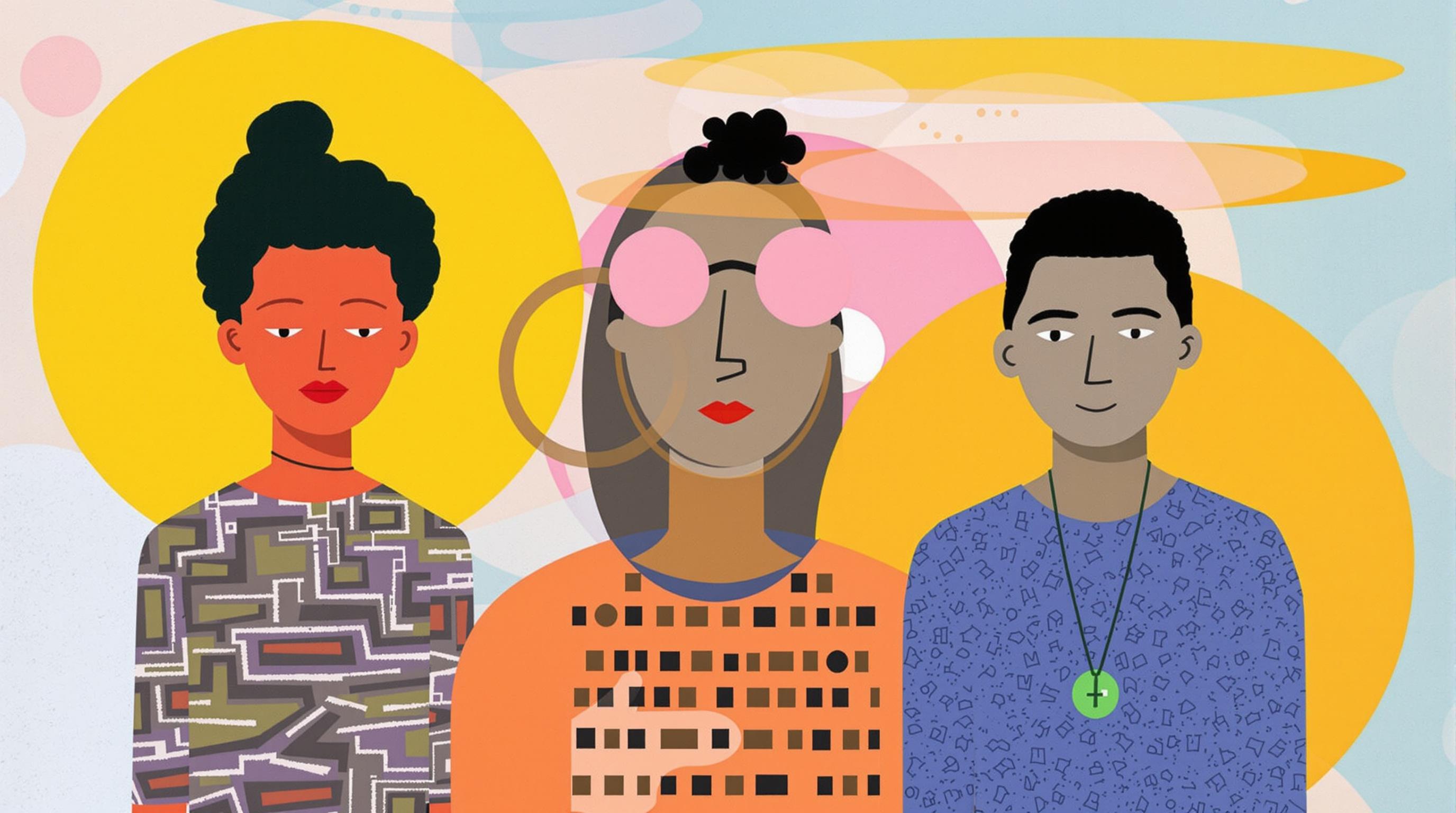
Cultural Convergence: 7 Uncommon Aesthetic Practices That Enrich Global Narratives Through Unique Creative Exchanges
Cultural Convergence: 7 Uncommon Aesthetic Practices That Enrich Global Narratives Through Unique Creative Exchanges
Cultural Convergence: 7 Uncommon Aesthetic Practices That Enrich Global Narratives Through Unique Creative Exchanges
Introduction to Cultural Convergence
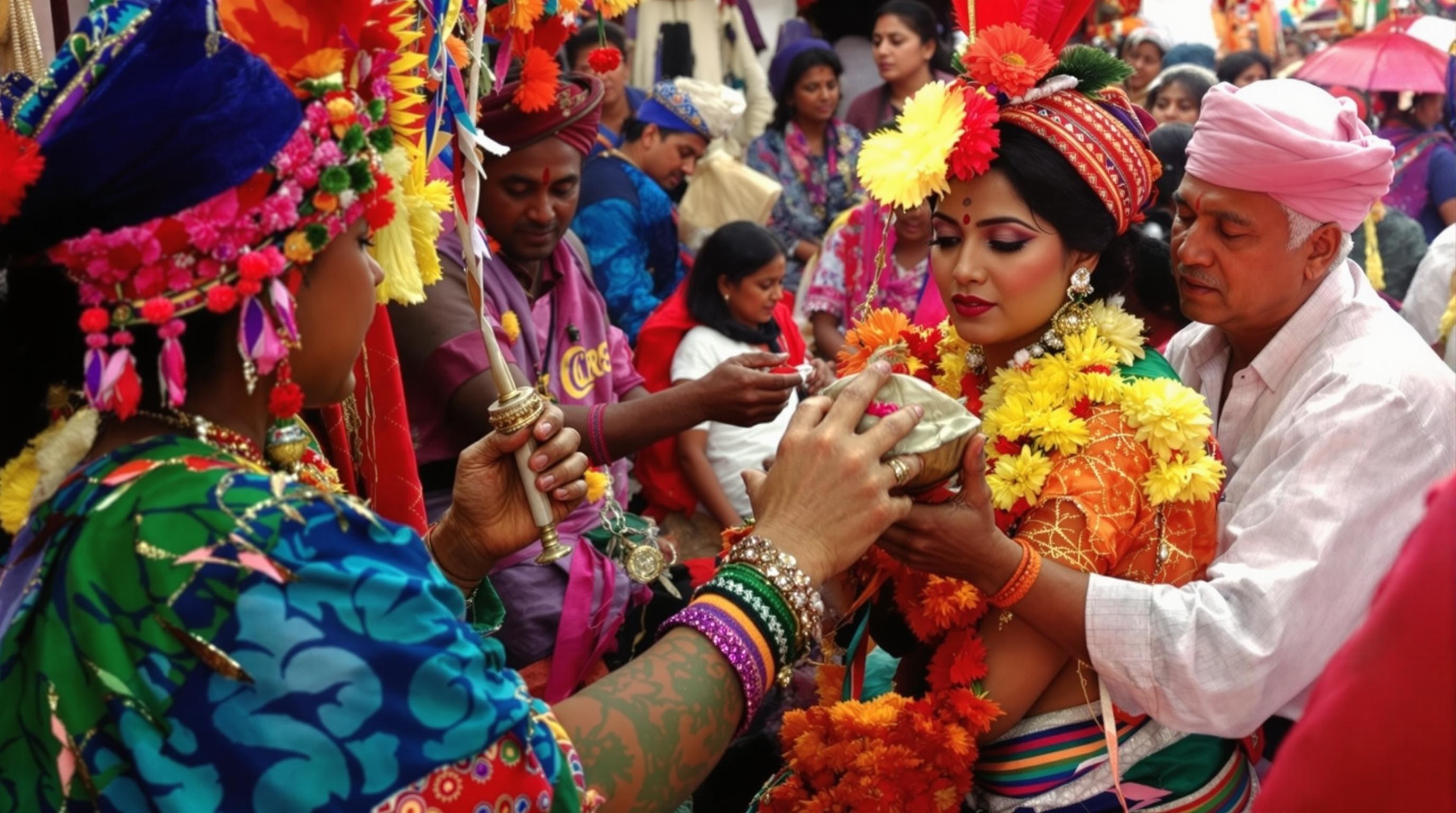
Cultural convergence, the blending of different cultural practices and ideas, plays a pivotal role in shaping contemporary narratives. As the world becomes increasingly interconnected, the fusion of various aesthetic practices emerges as a reflection of shared human experiences. This phenomenon extends beyond mere artistic collaboration; it encapsulates the essence of humanity through unique exchanges that enrich our understanding of different cultures.
In examining aesthetic practices that may go unnoticed, we uncover layers of meaning and significance that contribute to a broader narrative tapestry. Each practice tells a story, revealing cultural histories, social dynamics, and individual expressions that resonate across geographical boundaries. These exchanges exemplify how creativity can bridge gaps, forging connections among diverse peoples.
As we explore seven uncommon aesthetic practices, we recognize how these unique expressions contribute deeply to global narratives, fostering empathy and understanding in an increasingly diverse world. Such practices echo the sentiments of cultural theorists like Arjun Appadurai, who highlight the importance of cultural flows in creating a dynamic global landscape (Appadurai, “Modernity at Large”).
1. Kintsugi: The Art of Embracing Imperfection
Kintsugi, the Japanese art of repairing pottery with lacquer mixed with gold, eloquently speaks to the beauty of imperfection. Rather than masking flaws, this practice emphasizes the value of scars, transforming objects into pieces of art that tell a story of resilience and renewal. The philosophy behind kintsugi resonates on a global scale, encouraging acceptance of life's imperfections.
This aesthetic's narrative transcends mere craft; it invites discourse on the human condition, sustainability, and heritage. Kintsugi encapsulates the idea that brokenness can lead to something extraordinary, urging individuals worldwide to embrace their vulnerabilities and redefine their stories. As an art form, it serves as a metaphor for healing, aligning with global conversations about mental health and self-acceptance.
In a world keen on perfection, kintsugi gently offers an alternative perspective: one that acknowledges past traumas while celebrating unique transformations. The practice exemplifies the intersection of personal and collective narratives, advocating for a world where imperfections are cherished and shared.
2. Capoeira: Dance as Resistance
Originating from Brazil, capoeira is a dynamic fusion of martial arts, dance, and music, deeply rooted in African traditions. Developed by enslaved Africans, this practice was a form of resistance against oppression, camouflaged as a dance. Capoeira is not merely a physical expression; it carries historical significance and embodies the spirit of resilience.
The rhythmic movements and musical components create an engaging narrative that emphasizes community and connection. Participants form a circle, called a “roda,” and take turns showcasing their skills, reinforcing the importance of collaboration and support. The communal aspect fosters solidarity, allowing stories of struggle and triumph to unfold within this vibrant space.
As capoeira spreads globally, it continues to inspire dialogues about heritage, identity, and resistance. The art form beckons participants and audiences alike to engage with its rich history, reinforcing the notion that culturally rooted practices can galvanize broader discussions about freedom, art, and collective memory.
3. Yarn Bombing: Textile Activism
Yarn bombing, a form of street art that incorporates knitted or crocheted materials, represents a playful yet poignant aesthetic practice. Emerging in urban spaces, this vibrant movement seeks to humanize and soften the rigidity of industrial environments. By infusing warmth and color into public spaces, yarn bombing invites passersby to reconsider their relationship with their surroundings.
This tactile form of expression subverts traditional notions of art, placing creativity in everyday contexts. Yarn bombers, often working anonymously, challenge the boundaries of public art while fostering a sense of community. The practice often addresses social issues, encouraging discourse on topics from feminism to environmental sustainability through the simple act of knitting.
The dialogue created by yarn bombing challenges societal norms, inviting participants to engage with art as a tool for activism and connection. As this practice gains traction globally, it highlights how creative exchanges can transform public spaces into platforms for conversation and change.
4. Culinary Fusion: The Intersection of Taste and Tradition
Culinary fusion exemplifies a unique convergence of cultures, where traditional recipes merge with innovative techniques to create new, delectable experiences. This practice reflects globalization's impact on food, enabling exchanges that enrich palates and narratives alike. Chefs worldwide experiment with diverse ingredients to produce dishes that honor various heritages while forging new culinary pathways.
The narratives surrounding culinary fusion often reveal deeper social and historical connections, as they reflect migration, trade, and intercultural dialogue. Each dish serves as a canvas that captures the essence of its components while embodying the stories of those who prepare and consume it. Culinary fusion allows individuals to experience the world through taste, while also deepening cultural appreciation.
As this practice becomes more prevalent, it challenges preconceived notions of cultural purity, emphasizing the fluidity of traditions. Culinary experiences foster communal relationships and facilitate cultural understanding, ultimately contributing rich layers to global narratives that celebrate diversity and creativity.
5. Graffiti: Street Stories and Subversion
Graffiti has evolved from vandalism to a respected art form that serves as a powerful medium for self-expression and social commentary. Originating in urban contexts, graffiti artists utilize public spaces to share poignant narratives, challenging societal norms and engaging with local communities. This aesthetic practice brings often-hidden stories to the forefront, amplifying voices that might otherwise remain unheard.
The conversations initiated through graffiti not only address specific social issues, such as inequality or political dissent but also foster a sense of place and identity in urban environments. Artists transform walls into vivid canvases that reflect the lives and experiences of those who inhabit these spaces. Each mural reinforces the connection between artist and audience, creating dialogues that transcend borders.
As global interest in street art continues to thrive, graffiti serves as a potent medium for cultural exchange. The movement invites collaboration among artists from various backgrounds, allowing them to share their unique perspectives while creating a new narrative that transcends geographical and cultural barriers.
6. Digital Storytelling: Weaving New Realities
The advent of digital technology has transformed storytelling, offering innovative platforms for diverse voices. Digital storytelling merges traditional narratives with modern technology, enabling creators to express their identities and experiences in immersive formats. This practice enriches the global narrative landscape, democratizing the art of storytelling while highlighting underrepresented perspectives.
Utilizing multimedia elements such as video, audio, and interactive features, digital storytelling transcends language and cultural barriers. It fosters an inclusive environment where individuals from various backgrounds can share their experiences, contributing to a richer global dialogue. Charitable initiatives often embrace this medium to promote social change, leveraging the reach of digital storytelling to advocate for pressing issues worldwide.
The versatility of digital storytelling exemplifies its capacity to transform how we communicate, allowing for unique creative exchanges that resonate across cultures. As this practice continues to evolve, it offers new opportunities for collaboration and connection, fostering an enriched understanding of the human experience.
7. Performance Art: The Body as a Canvas
Performance art challenges traditional notions of expression by utilizing the human body as a medium for artistic conveyance. This form of art often seeks to provoke thought and inspire dialogue about societal norms, identity, and cultural experiences. Performance artists navigate the spaces between personal and collective narratives, crafting experiences that resonate on multiple levels.
The ephemeral nature of performance art underscores its urgency; it is about lived experiences that evoke empathy and reflection. Artists often engage with their audiences, inviting them to participate in the creative process and encouraging introspection. This interactivity fosters a sense of community and emphasizes the shared aspects of the human condition.
As performance art continues to gain traction globally, it embodies an evolving dialogue about identity, culture, and expression. The medium offers unique creative exchanges that enrich narratives across borders, reminding us of the transformative power of the arts to provoke, inspire, and connect.
Conclusion: The Tapestry of Unique Practices
The aesthetic practices explored in this article represent but a fraction of the diverse cultural exchanges that shape our global narrative. Whether through the resilience of kintsugi or the community-driven spirit of capoeira, each practice invites us to engage with the world in nuanced ways. They serve as reminders that every culture carries unique stories, waiting to be shared and celebrated.
As we navigate an increasingly interconnected world, recognizing and valuing these uncommon aesthetic practices enriches our understanding of the human experience. They illustrate the beauty of cultural convergence, fostering empathy, respect, and creativity in our collective narrative. This tapestry of unique practices serves as both a mirror and a window into the diverse landscapes of life.
Ultimately, embracing these aesthetic exchanges nurtures a more profound appreciation for our shared humanity, allowing individuals to weave their stories into the vibrant fabric of global culture. As we continue to explore and share these narratives, we contribute to a world that celebrates diversity and connection.
Read More