Related Articles
- Navigating Ethical Travel: The Role of Arts and Crafts in Supporting Local Economies and Cultures
- Rediscovering Ancestral Routes: How Ancient Trails Offer Insights into Sustainable Travel Practices
- The Ethical Dilemma of Luxury Travel: Splurging or Supporting Sustainable Development?
- Navigating Ethical Dilemmas: The Quest for Authenticity in Local Food Experiences While Traveling
- Beyond the Facade: Exploring the Subsurface Infrastructure of Iconic Historical Structures
- Curiosities Unearthed: The Surprising Connections Between Historic Sites and Modern Art Movements
Cultural Mergence: 9 Unexpected Languages That Bridge Gaps and Cultivate Global Understanding Through Unique Exchanges
Cultural Mergence: 9 Unexpected Languages That Bridge Gaps and Cultivate Global Understanding Through Unique Exchanges
Cultural Mergence: 9 Unexpected Languages That Bridge Gaps and Cultivate Global Understanding Through Unique Exchanges
Introduction to Cultural Mergence
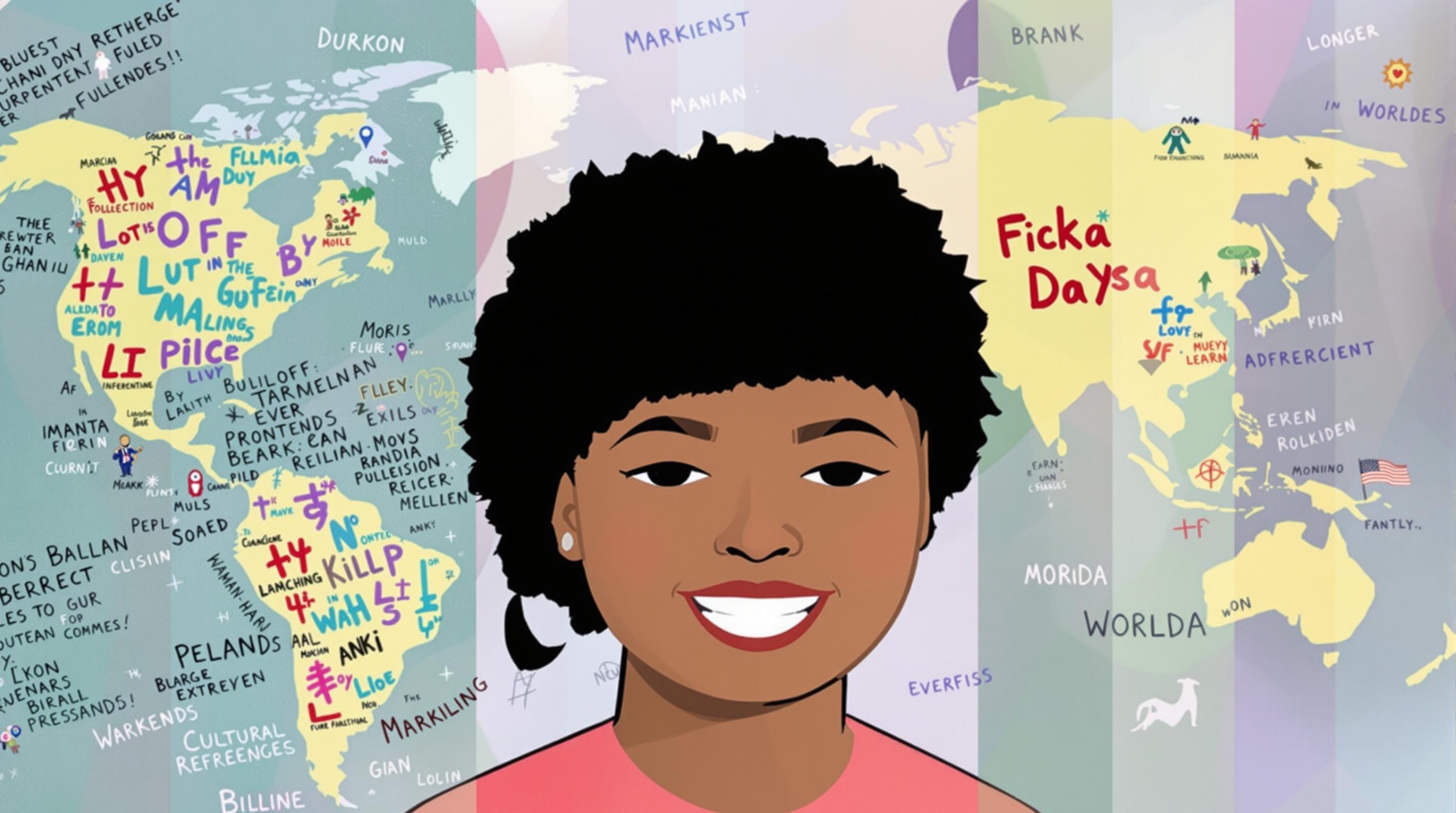
In an increasingly interconnected world, languages serve as bridges that unite diverse cultures, fostering mutual understanding and cooperation. The concept of cultural mergence highlights how languages, both expected and unexpected, can bring communities together in surprising ways. This phenomenon is particularly evident in languages that emerge from unique historical and cultural exchanges.
From pidgins and creoles to hybrid languages and dialects, each language reflects a tapestry of historical interactions, colonization, and migration. Through this lens, one can observe the rich narratives that accompany these languages, revealing the stories of peoples and the journeys that shape them. This article delves into nine unexpected languages that exemplify cultural mergence, showcasing how language adapts to create a shared space for understanding.
As we explore these languages, it’s essential to consider the larger implications of cultural mergence—how these unexpected linguistic unions are not merely communicative tools but are also intertwined with identity, heritage, and global dynamics.
Pidgin English
Pidgin English, originating from the contact between English speakers and various local languages, particularly in regions such as West Africa and the Caribbean, exemplifies cultural mergence. It developed as a means of communication among diverse groups, enabling trade and interaction while retaining elements from multiple languages. The fusion of grammar, vocabulary, and semantics results in a flexible and dynamic tongue that reflects the local context.
This language is not merely a simplified form of English; rather, it represents a rich cultural identity. For example, Nigerian Pidgin has become a significant part of pop culture and music, influencing contemporary styles of expression and fostering shared narratives among its speakers. The adaptability of Pidgin English allows it to carry intricate cultural stories that resonate across borders.
Studies, such as those by linguist Claire Bowern, reflect on how Pidgin languages maintain and evolve through community usage, embodying the resilience of culture in the face of globalization (Bowern, 2020). This linguistic form is a testament to how language can adapt, flourish, and promote understanding among diverse populations.
Spanglish
Spanglish, a hybrid of Spanish and English, has emerged from the rich historical tapestry of Latin American immigration to the United States. This cultural blending has allowed for the creation of a linguistic space that facilitates communication while embodying the unique identity of bilingual speakers. Often seen in urban settings, Spanglish reflects the daily life and struggles of communities navigating two distinct cultural identities.
The use of Spanglish goes beyond vocabulary; it incorporates code-switching and linguistic creativity to communicate nuanced emotions and shared cultural experiences. This linguistic practice has been embraced in literature, music, and media, showcasing the vibrancy of immigrant narratives and their contribution to American culture. Authors like Junot Díaz have highlighted these experiences, portraying the realities of living between two worlds.
Research conducted by sociolinguists like Ana Celia Zentella has illuminated the significance of Spanglish in affirming cultural identity and fostering community ties (Zentella, 1997). Far from being seen as a linguistic deficiency, Spanglish represents the vitality of evolving languages, uniting individuals in their quest for acceptance and understanding.
Tok Pisin
Tok Pisin is one of the official languages of Papua New Guinea, arising from the necessity for communication among speakers of diverse indigenous languages during colonial times. As a creole language, Tok Pisin has absorbed elements from English, indigenous tongues, and even local idioms. Its development illustrates how colonial encounters can result in new forms of expression that honor multiple cultural identities.
The language is characterized by its simplicity and adaptability, allowing it to thrive in various contexts. Its use in media, education, and politics emphasizes the potential for Tok Pisin to serve as a unifying medium for the country's diverse populations. By facilitating dialogues in both local and global contexts, Tok Pisin demonstrates the power of language to reflect and shape collective identity.
Scholarly research, such as that by linguist John Lynch, has examined the historical and social forces that led to the rise of Tok Pisin, illustrating its role as a tool for negotiation and understanding (Lynch, 1998). In navigating complex sociopolitical landscapes, Tok Pisin exemplifies how language can bridge cultural divides and foster unity.
Chavacano
Chavacano is another fascinating example of a Spanish-based creole language that developed in the Philippines, particularly in Zamboanga. This language arose from Spanish colonial influence and the interaction between Spanish, indigenous languages, and Asian dialects. With roots in historical trade interactions, Chavacano encapsulates the richness of cultural exchanges and the layered identities of its speakers.
Chavacano not only serves as a method of communication but also represents cultural pride and resistance against historical colonial forces. The language thrives in local expressions, art, and literature, showcasing how it has been embraced as a vital part of the cultural heritage of the region. Festivals and cultural events often feature Chavacano music and storytelling, emphasizing its role in community cohesion.
Research like that conducted by linguist John J. Raymer explores the modern implications of Chavacano and its impact on cultural identity (Raymer, 2005). As a living language indicative of resilience, Chavacano offers insights into the ongoing narrative of hybridity and cultural merge in an ever-evolving global landscape.
Hinglish
Hinglish, a blend of Hindi and English, has emerged in India as a language that reflects the sociocultural dynamics of a rapidly modernizing society. It combines borrowed English terms within a predominantly Hindi grammatical structure, creating a unique form of expression that resonates especially with younger generations. Hinglish showcases the adaptive nature of language amidst globalization and urbanization.
The widespread use of Hinglish in social media, advertising, and entertainment signals its role as an emblem of modern identity, offering a voice to the youth navigating traditional and contemporary influences. In pop culture, Bollywood films often use Hinglish, illustrating its function in storytelling and cultural representation.
Linguists like Rakesh M. Bhatt have observed Hinglish's ability to bridge cultural gaps, creating a space where modern narratives can flourish while respecting traditional roots (Bhatt, 2001). As a language that blends and morphs, Hinglish exemplifies the fluidity of cultural identities in a globalized world.
Franglais
Franglais, a playful fusion of French and English, is a linguistic phenomenon observed primarily in Canada and France. This linguistic blend often appears in casual conversation, advertising, and digital communication, reflecting the cultural interactions between francophones and anglophones. Franglais serves as a unique cultural symbol, embodying the multifaceted relationship between languages in a globalized context.
Beyond its humorous linguistic aspects, Franglais underscores a deeper cultural exchange that encapsulates shared experiences and identities among bilingual speakers. The creative license taken by speakers allows for a fluidity that enriches both languages, making Franglais an expressive tool for younger demographics striving for innovation in their communication styles.
As noted by French linguistic scholars, the existence of Franglais may be viewed as a testament to the evolving nature of language and cultural identity interactions (Vignaux, 2010). Through Franglais, speakers navigate linguistic allegiance while fostering unity and understanding amidst diversity.
Singlish
Singlish, a colloquial blend of English, Malay, Hokkien, Cantonese, and Tamil, has developed in Singapore, reflecting the country's multicultural fabric. Rooted in a history marked by colonialism and immigration, Singlish offers a unique glimpse into local identities and social dynamics. It embodies the essence of Singapore’s “kaleidoscopic culture,” with phrases that incorporate multiple languages and cultural references.
The distinctive linguistic features of Singlish, including its unique grammar and vocabulary, promote community cohesion among Singaporeans, even as they assert a separate identity from British English. It serves as an everyday vernacular, providing a space for informal expression, humor, and cultural commentary.
Research by sociolinguists like Serena Chen has highlighted the complexities and social implications of Singlish in contemporary Singapore, illustrating its role in the negotiation of identity and belonging in a globalized world (Chen, 2013). Therefore, Singlish emerges as a celebration of cultural mergence, illustrating how communication can reflect deeper connections among individuals in a diverse society.
Brazuguese
Brazuguese is a fascinating mix of Brazilian Portuguese and English that has emerged within the globalized contexts of Brazil’s tourism and business sectors. As English has become a lingua franca for international interactions, Brazuguese showcases an environment where Portuguese speakers navigate cross-cultural exchanges while preserving their linguistic heritage. This blend is particularly pronounced in urban centers and tourist destinations.
This hybrid language represents the creativity of Brazilians as they adapt their language to connect with a broader audience. By incorporating English vocabulary and expressions, Brazuguese speaks to the significant cultural exchanges occurring in a globalized economy, revealing the resilience and adaptability of Brazilian culture.
As noted by language and cultural experts, the evolution of Brazuguese highlights the ongoing exchange and interaction between different cultures, underscoring the importance of language as a living testament to these experiences (Linares, 2019). This linguistic melding emphasizes how language serves not just as a tool for communication but also as a medium for cultural understanding and connection.
Conclusion: The Power of Language in Cultural Exchange
The nine languages discussed in this article serve as poignant examples of how cultural mergence manifests through linguistic innovation. As languages evolve, they reflect the complexity of human interactions shaped by historical contexts, social dynamics, and shared experiences. Through unexpected blends, these languages foster a sense of community, identity, and understanding that transcends borders.
The cultivation of global understanding hinges on recognizing the significance of these hybrid languages and the stories they carry. Each language is not merely a tool for communication; it embodies cultural pride and serves as a testament to the resilience of diverse identities. Linguistic creativity can bridge gaps, providing a vehicle for collaboration and connection.
As we navigate the challenges of an increasingly interconnected world, embracing the beauty of cultural mergence through language will be crucial in building empathy, fostering peace, and celebrating the richness of the human experience. The continued evolution of language promises to create a promising future where diverse voices harmoniously coexist.
- Bowern, C. (2020). Pidgin and Creole Languages. Oxford University Press.
- Zentella, A. C. (1997). Growing Up Bilingual: Puerto Rican Children in New York. Blackwell Publishing.
- Lynch, J. (1998). Tok Pisin: A Description of the Language. Sydney University Press.
- Raymer, J. J. (2005). Chavacano: A Case Study in Language Development. University of the Philippines Press.
- Bhatt, R. M. (2001). The Syntax of Hinglish: Language Variation and Change in Urban India. Language in Society.
- Vignaux, A. (2010). Franglais: A Sociolinguistic Study of Language Mixing in France. Toulouse Press.
- Chen, S. (2013). Singlish and the Sociolinguistics of Identity in Singapore. Asia Pacific Journal of Linguistics.
- Linares, F. (2019). Brazuguese: Language and Culture in Globalized Brazil. São Paulo Press.
Read More