Related Articles
- Navigating Ethical Travel: The Role of Arts and Crafts in Supporting Local Economies and Cultures
- Rediscovering Ancestral Routes: How Ancient Trails Offer Insights into Sustainable Travel Practices
- The Ethical Dilemma of Luxury Travel: Splurging or Supporting Sustainable Development?
- Navigating Ethical Dilemmas: The Quest for Authenticity in Local Food Experiences While Traveling
- Beyond the Facade: Exploring the Subsurface Infrastructure of Iconic Historical Structures
- Curiosities Unearthed: The Surprising Connections Between Historic Sites and Modern Art Movements
Crossroads of Curiosity: Navigating the Surprising Influence of Food on Intercultural Dialogue
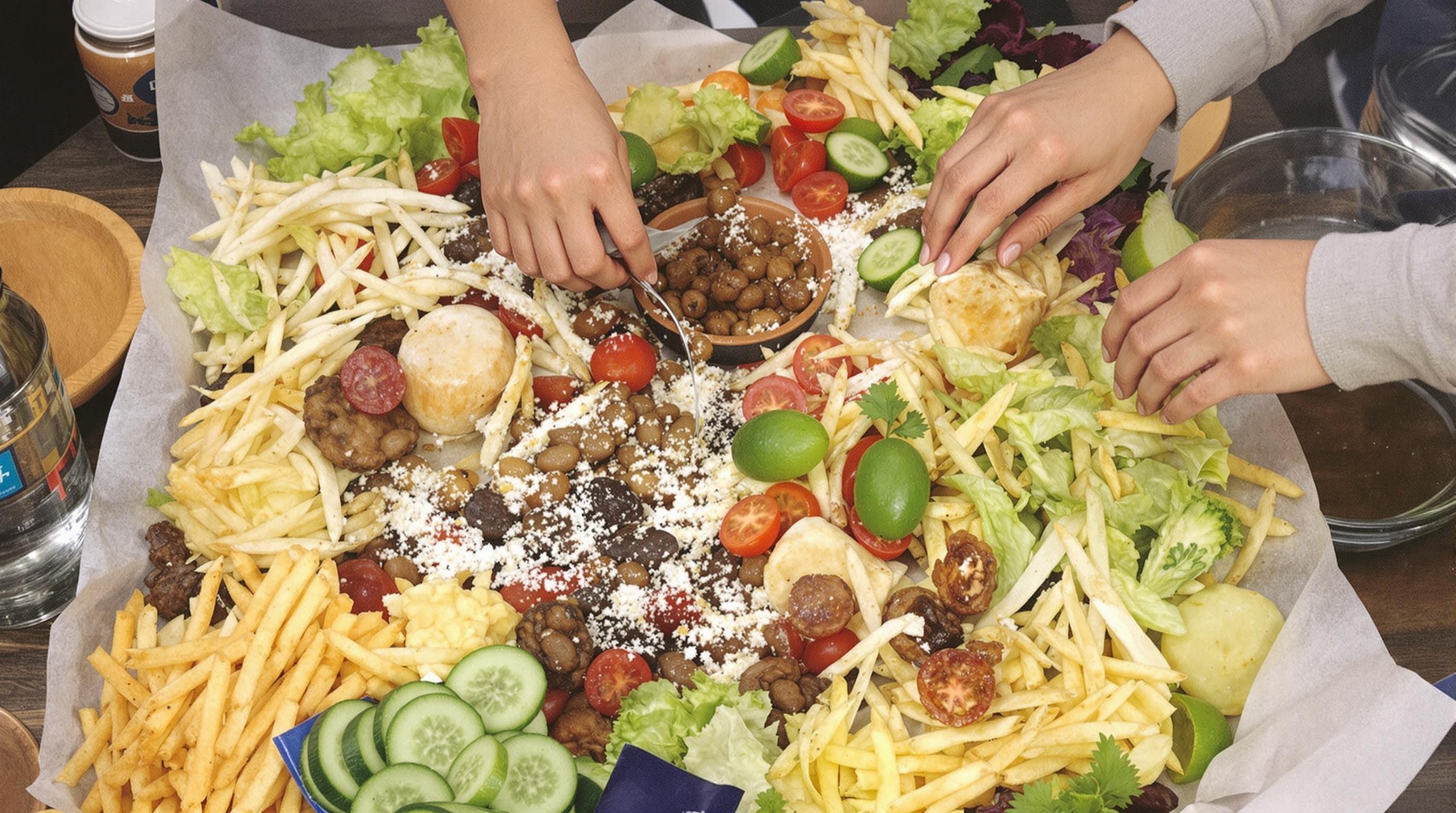
Crossroads of Curiosity: Navigating the Surprising Influence of Food on Intercultural Dialogue
Food has evolved far beyond mere sustenance; it serves as a dynamic medium for intercultural dialogue, capable of bridging gaps between diverse societies. This article explores how culinary experiences can foster understanding, spark curiosity, and create opportunities for deep conversations across cultures.
The Universal Language of Food
“You are what you eat.” This phrase has never been truer. Food highlights cultural identity, and so much can be learned from what we consume. In fact, the world’s kitchen is a beautiful mosaic of traditions, histories, and stories from every corner of the globe. From spicy kimchi in Korea to creamy risotto in Italy, each dish tells a tale that can be understood, appreciated, and shared regardless of language barriers.
Sharing a Meal: More Than Just Food
In many cultures, sharing a meal is akin to sharing one's self. For example, in Mediterranean countries, the act of breaking bread together is regarded as a sacred ritual. According to the National Restaurant Association, nearly 72% of Americans believe that sharing a meal with someone helps strengthen the bond. This potential for connection through food is an essential foundation for intercultural dialogue.
Case Study: The Power of a Food Festival
Consider the renowned “Taste of Nations” festival held annually in Toronto. Each year, over 300,000 visitors gather to indulge in foods from around the world; they savor curries, tacos, dumplings, and so much more. This event successfully unites diverse communities, prompting cultural exchange. It encourages Canadians to engage with newcomers, often leading to friendships, business ventures, and collaborations that might never have occurred otherwise. An astonishing 70% of attendees reported that trying international foods helped them appreciate unfamiliar cultures more deeply (Canada Food and Drink).
Setting the Scene: The Power of Aroma and Flavor
Let’s imagine you’re in a bustling market in Marrakech, Morocco; the air is thick with the aroma of spices like saffron, cumin, and coriander. As you taste a warm bowl of tagine, each mouthful narrates a story of tradition, history, and familial love. It is believed that food can stimulate our memory and evoke emotions stronger than words, allowing for spontaneous dialogue rich with enthusiasm and inquiry.
Food and Identity
When considering the significance of food in identity, it’s vital to recognize how culinary practices can reinforce cultural pride. In recent years, the movement toward authentic ethnic cuisine has seen an increase in demand for traditional recipes. According to a survey conducted by the Pew Research Center, 59% of millennials consider food an essential part of their cultural identity. This growing awareness enables individuals to connect more deeply with their heritage while also sharing it with others.
Humor in Culinary Miscommunication
Of course, food can also lead to hilariously awkward moments! Imagine a tourist ordering a “hot dog” in Spain, only to be served something entirely different. In Spain, “perrito caliente” isn’t just another form of sausage; it might come topped with an array of unique toppings including potato chips! Rather than allowing such misunderstandings to dissuade intercultural exchange, they often bring laughter and spark curiosity. “Hey, what else do you eat here?”
Food as a Peacekeeper
Interestingly, food has played a role in conflict resolution. During times of tension between North and South Korea, special culinary events featuring a fusion of Korean and Western dishes were held to foster dialogue. The act of breaking bread (or rice) became a metaphor for building peace. According to a study published in the Journal of Conflict Resolution, peace talks with a shared meal resulted in a 30% increase in productive dialogues compared to those conducted in a traditional office setting. Who knew kimchi could save the world?
Global Flavors: How Culinary Traditions Evolve
Globalization has dramatically influenced culinary traditions, leading to fusion cuisines that mirror cultural interactions. For instance, the beloved “sushi burrito” is a mashup of Japanese sushi and Mexican burritos, deftly showing how cultural boundaries can blur. A report by the World Food Travel Association states that culinary tourism has become an $803 billion industry, illustrating just how curious people have become about world cuisines. This curiosity is a gateway to understanding cultural nuances and inviting discussions beyond the dinner plate.
Food and Storytelling: The Oral Tradition
Every cuisine has its lore, passed down through generations. Grandmothers often hold the keys to the family recipes that embody cultural traditions. Engaging in these culinary narratives can spark conversations about heritage, migration stories, and experiential histories. For instance, during Shabbat dinners, Jewish families recount tales of resilience through their meals and rituals, often deepening familial ties and intercultural understanding, offering an open door to outsiders.
The Role of Technology in Food Discovery
In today’s digital age, technology has further accelerated intercultural dialogue through food. Platforms like Instagram and TikTok allow food enthusiasts to share their cultural narratives through visually captivating experiences. Did you know there are over 300 million food-related posts on Instagram? Food bloggers are effectively ambassadors for their culinary traditions, encouraging millions to explore diverse flavor profiles. Empowered by social media, individuals are eager to try new recipes and, in turn, engage in conversations surrounding culture and identity.
Bringing It All Together: Practical Tips for Intercultural Culinary Exchange
How can one embrace the transformative power of food in promoting intercultural dialogue? Here are some practical approaches:
- Attend Cooking Classes: Seek out local classes that focus on international cuisines. Not only will you learn new cooking skills, but you’ll also interact with instructors and students from diverse backgrounds.
- Explore Local Ethnic Markets: Challenge yourself to find unfamiliar ingredients and ask vendors about their culinary significance; that curiosity can lead to captivating conversations.
- Host Global Potlucks: Invite friends to bring dishes from their heritage. Use this opportunity to learn about the stories behind each meal, sparking intercultural dialogue.
Sustaining Intercultural Curiosity Through Food
Curiosity is the spark for human connections. When it comes to food, curiosity can lead to understanding, empathy, and collaboration. As cultures evolve and intertwine, so too does our culinary landscape. In the words of the food writer M.F.K. Fisher, “The one thing that can never be taken from you is your interest in food and your love of having it shared with others.” As we recognize food as the crossroads of curiosity, let's continue navigating these avenues of dialogue, one delicious bite at a time.
The Future of Food and Intercultural Dialogue
Looking ahead, we envision a world where food continues to be an essential facilitator of peace and understanding. Initiatives that connect chefs from different backgrounds to collaborate on fusion projects are already a trend we’re seeing, and as these practices gain traction, they hold the potential to eradicate stereotypes and even heal divisions. Food is a form of self-expression and connection, advocating that what makes us different also brings us together.
Final Thoughts
Food is not just about the flavors that dance on our tongues. It's an enriching experience imbued with cultural significance that allows us to engage in respectful dialogue and understanding. So, the next time you sit down for a meal, remember that your plate holds a treasure trove of stories just waiting to be discovered. Together, let’s explore these flavors and cultivate curiosity, one meal at a time.
Read More