Related Articles
- Navigating Ethical Travel: The Role of Arts and Crafts in Supporting Local Economies and Cultures
- Rediscovering Ancestral Routes: How Ancient Trails Offer Insights into Sustainable Travel Practices
- The Ethical Dilemma of Luxury Travel: Splurging or Supporting Sustainable Development?
- Navigating Ethical Dilemmas: The Quest for Authenticity in Local Food Experiences While Traveling
- Beyond the Facade: Exploring the Subsurface Infrastructure of Iconic Historical Structures
- Curiosities Unearthed: The Surprising Connections Between Historic Sites and Modern Art Movements

Cultural Kaleidoscope: 7 Unseen Pathways Where Language and Gesture Ignite Dynamic Global Connections
Cultural Kaleidoscope: 7 Unseen Pathways Where Language and Gesture Ignite Dynamic Global Connections
Cultural Kaleidoscope: 7 Unseen Pathways Where Language and Gesture Ignite Dynamic Global Connections
Introduction to Cultural Connections
The world is an intricate tapestry woven from diverse cultures, each characterized by its unique language and gestures. These elements not only serve as conduits for communication but also as integral components that shape societal interactions. Understanding the interplay between language and gesture unveils unseen pathways that foster connections across borders.
In our increasingly interconnected world, recognizing and appreciating these cultural nuances is essential for effective communication. Through language, we articulate our thoughts, while gestures often express what words cannot. This article explores seven unseen pathways where language and gesture interact to create vibrant global connections.
By examining these pathways, we can better appreciate the rich cultural exchanges that define our global landscape. Ultimately, the beauty of communication lies in its ability to bridge gaps and foster relationships among individuals from varying backgrounds.
1. The Power of Nonverbal Communication
Nonverbal communication comprises facial expressions, body language, and gestures that convey meaning without spoken words. Research suggests that up to 93% of communication is nonverbal, emphasizing the significance of gesture in conveying emotions and intentions (Mehrabian, 1972). This makes understanding gestures crucial for deepening cross-cultural interactions.
In many cultures, gestures can signal agreement, disagreement, or openness, offering insights into social customs. For instance, the thumbs-up gesture is interpreted positively in countries like the United States but can be considered offensive in parts of the Middle East. Understanding these variations can prevent misunderstandings and foster genuine connections.
Furthermore, nonverbal cues can often transcend linguistic barriers. In diverse environments, a smile or nod can speak volumes, creating warmth and familiarity without the need for words. This underscores the potency of gestures in establishing rapport among individuals from varied cultural backgrounds.
2. Language as a Cultural Identifier
Language is more than a means of communication; it serves as a cultural identifier that shapes individual and collective identities. Different languages embody distinct worldviews and social practices, suggesting that what we say reflects our cultural roots. For instance, some languages possess unique words that encapsulate culturally significant concepts, such as "hygge" in Danish culture.
Language also influences cognitive skills and perceptions. Studies show that bilingual individuals often exhibit enhanced problem-solving abilities and increased cognitive flexibility, enabling them to navigate diverse social landscapes more adeptly (Bialystok, 2001). This cognitive advantage fosters dynamic global connections as individuals engage with different cultures.
Moreover, learning a new language opens doors to understanding the associated cultural practices. By embracing linguistic diversity, we not only enhance our communication skills but also demonstrate respect for other cultures, creating a foundation for meaningful dialogues and collaborations.
3. The Role of Humor in Cross-Cultural Relations
Humor serves as a unique pathway for cross-cultural connections. Jokes and comedic exchanges often rely on shared cultural references, yet humor can transcend linguistic barriers when conveyed through physical comedy or universal themes. For example, silent films historically captivated global audiences by relying solely on visual humor.
Additionally, laughter itself is a universal language that fosters social cohesion. It creates an environment of ease, allowing individuals to connect on an emotional level despite linguistic differences. The simple act of sharing laughs can soften cultural barriers and promote understanding.
However, one must tread carefully; humor can be context-dependent, and what is funny in one culture may not be perceived the same way in another. Recognizing these subtleties can enhance interactions and build stronger relationships across diverse backgrounds.
4. The Influence of Technology on Communication
Technology has fundamentally reshaped the way we communicate and connect globally. Social media platforms enable instantaneous interactions across distances, facilitating cultural exchanges that were once difficult due to geographical barriers. Emojis and gifs have become modern gestures that add a layer of emotion and nuance to written communication.
Moreover, video conferencing technology allows real-time interactions, strengthening connections through visual and auditory cues. During these interactions, individuals can observe gestures and expressions, enhancing comprehension and empathy. As such, technology functions not just as a medium for communication but also as a bridge to cultural integration.
However, the digital landscape also presents challenges, including misinterpretations of both language and gesture due to the lack of physical presence. The importance of contextual understanding remains paramount, particularly in a world where messages can be shared widely without the sender's intent being fully conveyed.
5. Cultural Festivals as Communication Bridges
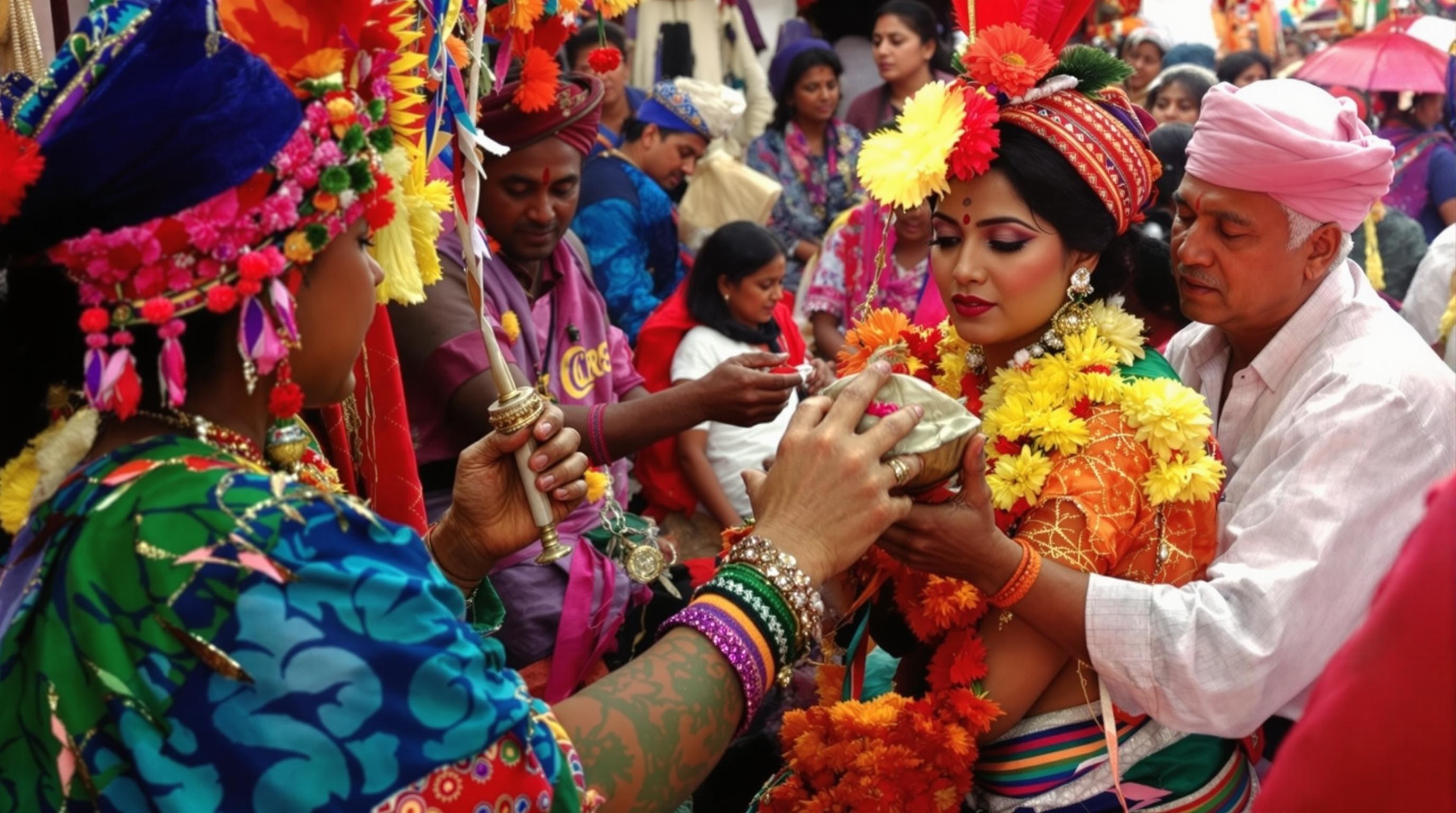
Cultural festivals are vibrant showcases of linguistic and gestural diversity, serving as platforms for global connections. These events celebrate cultural heritage while simultaneously inviting cross-cultural dialogue. Through shared experiences, attendees engage with language, art, and gestures from varied cultures.
Events such as the Rio Carnival or Diwali not only highlight unique traditions but also foster an environment where dialogue can flourish. Participants from different backgrounds can exchange ideas and perspectives, leading to enriched understanding and relationships.
By engaging with cultural festivals, individuals can learn about foreign customs, practices, and communication styles. These interactions enhance appreciation for diversity and offer participatory avenues for individuals to step outside their cultural norms, fostering a more inclusive global community.
6. The Impact of Multilingualism on Social Connectivity
Multilingualism can significantly enhance social connectivity by providing individuals with an expansive toolkit for engagement across cultures. Those who speak multiple languages often demonstrate higher cultural empathy and sensitivity, which are vital qualities for cultivating connections in diverse settings.
Furthermore, multilingual individuals can bridge communication gaps, serving as interpreters and facilitators of dialogue. They enable deeper understanding by rendering cultural nuances that may be lost in translation, thus creating a more coherent form of communication.
The presence of multilingual individuals in communities can enrich social networks and enhance collaboration. As they navigate multiple languages, they inadvertently promote inclusivity, ensuring that voices from various backgrounds can be heard and valued.
7. Gesture-Based Learning and Global Education
Gesture-based learning merges language with kinesthetic experiences, facilitating education in multicultural environments. This method emphasizes the importance of visual and tactile engagement in communication, making it an effective approach for learners of varying linguistic backgrounds.
Research indicates that integrating gestures into language learning bolsters retention and comprehension, demonstrating the synergistic relationship between language and gesture (Kita, 2000). As educators recognize the value of a multi-modal approach, classrooms become spaces of dynamic cultural exchange and understanding.
Global education initiatives emphasize the importance of cultural awareness through language and gesture. By fostering environments that celebrate diversity, educators can facilitate meaningful exchanges that nurture both cognitive and emotional growth, shaping more empathetic global citizens.
Conclusion: Embracing Cultural Diversity
The interconnectedness of language and gesture opens unseen pathways to cultural understanding and connection. From nonverbal cues and humor to technology and education, each facet contributes to a dynamic global community. By embracing cultural diversity, individuals can cultivate empathy and foster relationships that transcend boundaries.
As we navigate a rapidly changing world, enhancing our communication skills remains critical. Acknowledging the significance of language and gesture equips us with the tools necessary to build bridges across cultures. In doing so, we cultivate a sense of shared humanity that enriches our lives and those around us.
Ultimately, celebrating our cultural kaleidoscope paves the way for greater harmony and understanding within an increasingly diverse global society. Engaging openly and respectfully with others will enable us to explore the rich tapestry of human experience and foster genuine connections.
Mehrabian, A. (1972). Nonverbal Communication. Chicago: Aldine Publishing Company.
Bialystok, E. (2001). Bilingualism in Development: Language, Literacy, and Cognition. New York: Cambridge University Press.
Kita, S. (2000). How the Body Shapes the Way We Think: A New View of Language, Meaning, and Thought. New York: Psychology Press.
Read More