Related Articles
- Navigating Ethical Travel: The Role of Arts and Crafts in Supporting Local Economies and Cultures
- Rediscovering Ancestral Routes: How Ancient Trails Offer Insights into Sustainable Travel Practices
- The Ethical Dilemma of Luxury Travel: Splurging or Supporting Sustainable Development?
- Navigating Ethical Dilemmas: The Quest for Authenticity in Local Food Experiences While Traveling
- Beyond the Facade: Exploring the Subsurface Infrastructure of Iconic Historical Structures
- Curiosities Unearthed: The Surprising Connections Between Historic Sites and Modern Art Movements
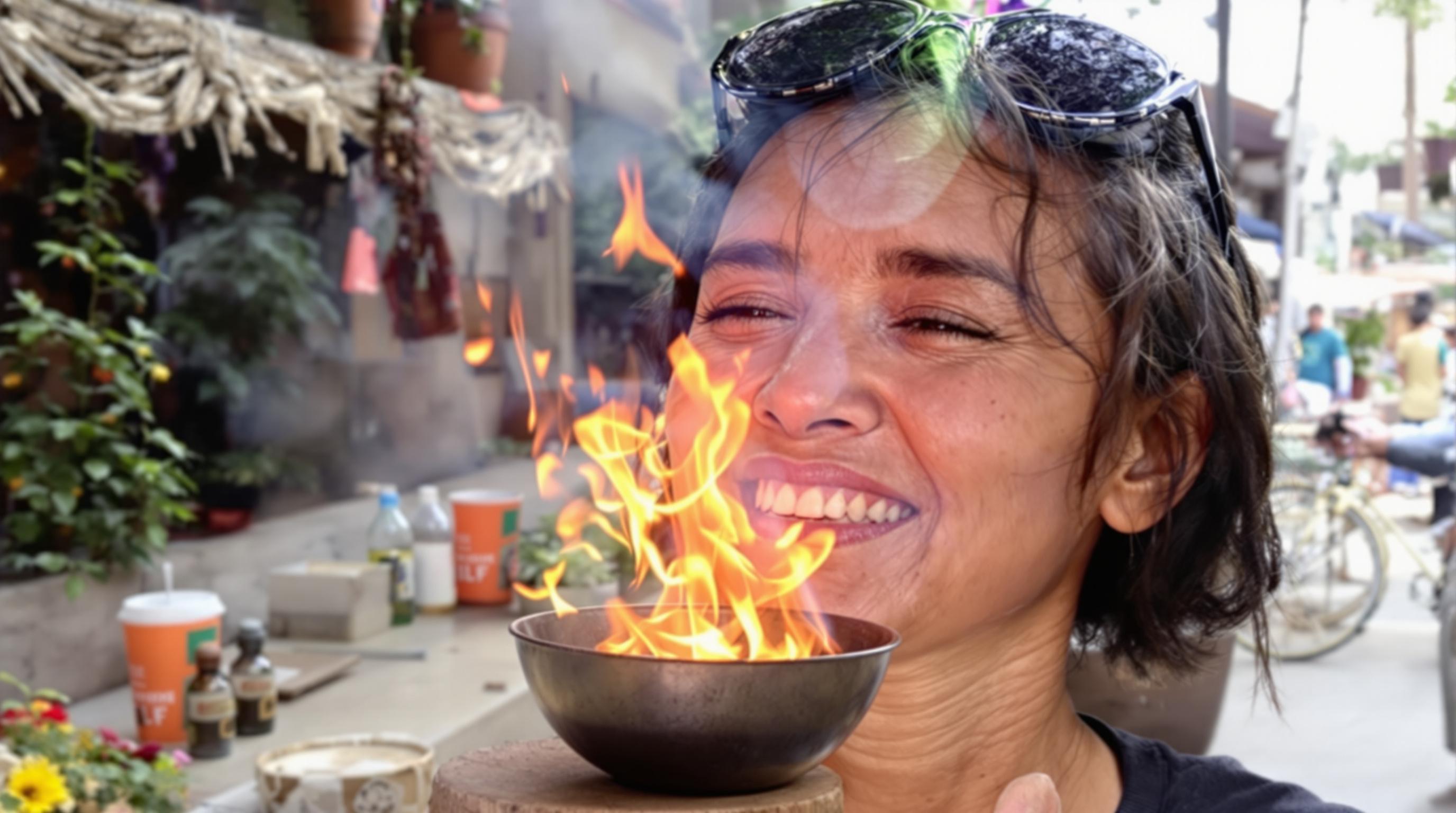
Cultural Odyssey: 10 Obscure Time-Honored Practices That Ignite Global Connections Through Unlikely Shared Experiences
Cultural Odyssey: 10 Obscure Time-Honored Practices That Ignite Global Connections Through Unlikely Shared Experiences
Cultural Odyssey: 10 Obscure Time-Honored Practices That Ignite Global Connections Through Unlikely Shared Experiences
1. The Art of Tea Ceremony in Japan
While drinking tea may seem commonplace, the Japanese tea ceremony offers a profound ritual that embodies aesthetic values, mindfulness, and social grace. This tradition, known as Chado or the "Way of Tea," is more than just preparing a beverage; it is a spiritual and philosophical practice that emphasizes harmony, respect, purity, and tranquility.
During a tea ceremony, participants engage in a meticulously choreographed sequence of movements that highlight the beauty of simplicity and attention to detail. The event fosters an atmosphere of connection, often inviting participants to pause, reflect, and experience the moment together in a serene setting. This practice celebrates the shared human experience of seeking peace and tranquility through ritual.
The Japanese tea ceremony has transcended cultural boundaries, as many people around the world adopt aspects of its philosophy into their lives, finding common ground in shared values of mindfulness and respect. The practice illustrates the power of tradition to create bonds among people across diverse backgrounds.
2. Danzas de la Muerte in Mexico
The Danzas de la Muerte, or the Dances of Death, is a traditional Mexican folk performance that brings communities together while honoring the dead. Rooted in ancient rituals, this practice often takes place during the Día de los Muertos (Day of the Dead) celebrations, where performers don elaborate costumes and engage in theatrical performances that reflect the cycle of life and death.
Through music, dance, and colorful visuals, these performances weave together elements of joy and sadness, transforming mourning into an expression of collective memory. Participants and onlookers alike share a profound connection, acknowledging death as an integral part of life while celebrating the lives of those who have passed.
The universality of grief and remembrance resonates deeply, fostering shared emotions that bridge cultural divides. Danzas de la Muerte serves as a reminder of the ways in which the remembrance of ancestors can forge connections among communities, making death not an end, but an enduring part of life.
3. The Maori Haka in New Zealand
The Haka, a traditional dance of the Maori people of New Zealand, is characterized by rhythmic chanting, fervent movements, and powerful expressions. Often associated with sporting events, particularly rugby, the Haka serves as a cultural symbol that conveys strength, unity, and identity while invoking the spirit of ancestors.
The ritual invites everyone present to share in the collective emotion, regardless of their background or heritage. This inclusivity is what makes the Haka a powerful form of connection; it brings people together in a moment of shared energy and purpose. By participating in or witnessing the Haka, individuals partake in a time-honored practice that conveys the importance of community and cultural expression.
As the Haka continues to gain recognition on the global stage, it emphasizes how cultural practices can resonate well beyond their origins, highlighting a common human experience of valuing relationships and heritage. It is a prime example of how performance art fosters unity through its emotional resonance and historic roots.
4. The Finnish Sauna Tradition
Sauna culture holds a cherished place in Finnish life, where it is more than just a method of relaxation—it is a social institution. Originating as a place for bathing and cleansing, the sauna has evolved into a communal space fostering conversation, reflection, and connection among friends and family.
Sauna sessions encourage vulnerability and intimacy as individuals shed their clothes and, often, their worries. It is a space where social barriers dissolve, allowing for open dialogue and connection through shared experiences of warmth and silence. The practice of sharing a sauna creates a unique bond among participants, strengthening relationships through shared moments of serenity.
As sauna culture spreads globally, it encourages innovation in social rituals, inviting communities to engage in their own versions of connection, whether through similar bathing practices or shared experiences of relaxation. The Finnish sauna embodies the idea that certain customs can create unexpected ties that span across nations.
5. The Festival of Colors in India
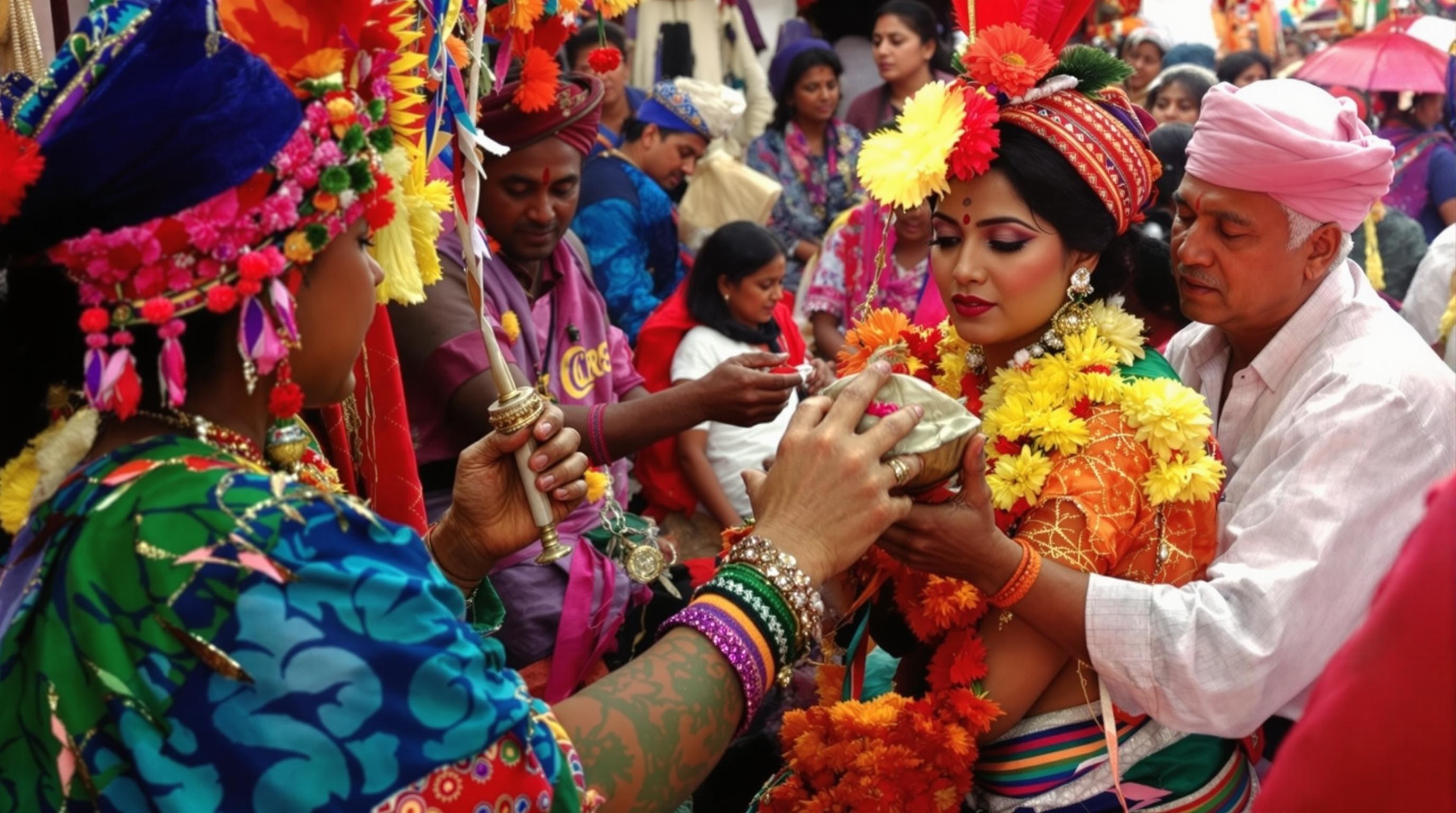
Holi, known as the Festival of Colors, is a vibrant celebration observed in India that signifies the arrival of spring. Participants come together to throw colored powders, sing, dance, and share festive foods, breaking societal barriers and promoting joy and unity among individuals from diverse backgrounds.
This exuberant practice emphasizes community engagement and forgiveness, transforming the atmosphere into one of collective exuberance. The joyful chaos of Holi allows people to interact freely, promoting acceptance and inclusivity among friends, family, and strangers alike.
The essence of Holi resonates far beyond India’s borders, as communities worldwide embrace the festival as a symbol of love and interconnectedness. The practice of participating in Holi reflects shared human values like joy, harmony, and the celebration of life, reinforcing the notion that vibrant traditions can create bridges across cultures.
6. The Art of Tayrona Indigenous Weaving in Colombia
The Tayrona people of Colombia are known for their intricate weaving techniques that reflect their cultural heritage and deep connection to nature. This art form is deeply embedded in their identity and is passed down through generations, creating links between past and present communities.
Weaving is not just a craft; it is a communal activity that fosters collaboration and storytelling. As individuals gather to create textiles, they share knowledge, history, and experiences that transcend individual differences, reinforcing a sense of belonging and shared identity.
As the world becomes more interconnected, the art of Tayrona weaving garners attention, inspiring appreciation for cultural heritage and sustainable practices. Through this tactile medium, it serves as a poignant reminder of our shared responsibilities toward preserving cultural connections and celebrating diversity worldwide.
7. The Bulgarian Nestinarstvo Fire Dancing
Nestinarstvo, the ancient art of fire dancing in Bulgaria, is a mesmerizing ritual that combines dance, spirituality, and the element of fire. Participants, often said to have a connection with the divine, dance barefoot on hot coals as a demonstration of their faith and courage, invoking community celebration and connection.
This practice encompasses the themes of resilience and transformation—qualities that resonate universally throughout different cultures. Observers and participants share in the wonder and connection sparked by witnessing the extraordinary feat, fostering a sense of solidarity and admiration among those present.
As Nestinarstvo gains visibility on the global stage, it transcends its regional context, revealing universal themes of faith and interconnectedness. The practice emphasizes how extraordinary acts of commitment can unite individuals in shared awe and energy, creating tangible connections through culture and tradition.
8. Bhutan's Gross National Happiness Index
In Bhutan, the Gross National Happiness (GNH) Index represents a holistic approach to well-being that prioritizes spiritual, cultural, and environmental welfare over economic growth. This unique philosophy encapsulates the essence of happiness, fostering communal values and connections that transcend materialism.
GNH encourages collective efforts toward well-being, where the success of a society is measured by the happiness and fulfillment of its individuals. This innovative approach ignites a global conversation about what it means to foster meaningful connections, leading communities to reassess their definitions of success and fulfillment.
As governments and organizations worldwide look to Bhutan's model for guidance, the principles of GNH inspire collective introspection and connection through shared values of happiness, community, and sustainability. It underscores the idea that happiness is an interconnected element that binds us, regardless of geographical boundaries.
9. The Native American Potlatch Ceremony
The Potlatch is a ceremonial event among various Native American tribes, characterized by feasting, dancing, and the giving of gifts. This practice serves as a powerful form of community bonding, symbolizing social status and reinforcing relationships among tribal members through generosity and reciprocity.
By participating in the Potlatch, individuals come together to celebrate shared values, forge connections, and reinforce their cultural heritage. The act of giving allows members of the community to recognize and support one another, fostering a deep sense of belonging and interconnectedness.
As awareness of Native American traditions grows, the Potlatch showcases the importance of community-building rituals and the universal truth that collective memory and generosity are foundational to enduring human connections. This tradition serves as a model for how giving can strengthen bonds and create a sense of unity across diverse communities.
10. The Swedish "Fika" Tradition
Fika is a Swedish custom that emphasizes taking a break for coffee and pastries, embodying the spirit of connection and slowing down in today’s fast-paced life. This simple practice encourages individuals to step away from their responsibilities to savor moments with friends, colleagues, and family.
At its core, fika celebrates the importance of relationships and strengthens social interactions in both personal and professional settings. Regardless of cultural backgrounds, the act of sitting together and enjoying a sweet treat cultivates an environment of openness, camaraderie, and appreciation for one another's company.
As cultures adapt their own interpretations of fika globally, it demonstrates how shared moments of hospitality and warmth can create lasting connections. The tradition serves as a reminder that taking time to connect—over a cup of coffee or tea—can enrich our lives and help bridge cultural divides.
Read More