Related Articles
- Navigating Ethical Travel: The Role of Arts and Crafts in Supporting Local Economies and Cultures
- Rediscovering Ancestral Routes: How Ancient Trails Offer Insights into Sustainable Travel Practices
- The Ethical Dilemma of Luxury Travel: Splurging or Supporting Sustainable Development?
- Navigating Ethical Dilemmas: The Quest for Authenticity in Local Food Experiences While Traveling
- Beyond the Facade: Exploring the Subsurface Infrastructure of Iconic Historical Structures
- Curiosities Unearthed: The Surprising Connections Between Historic Sites and Modern Art Movements
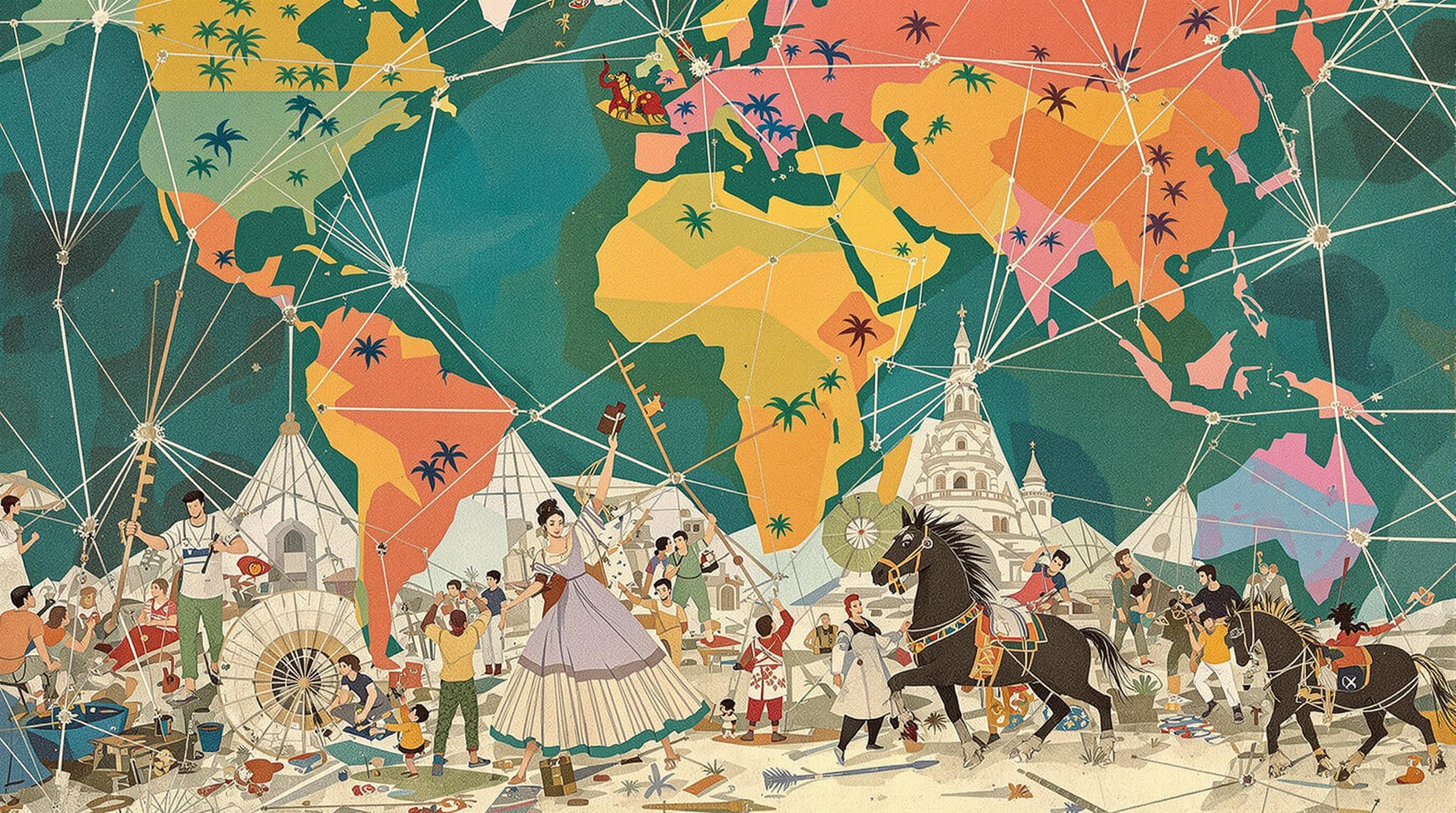
Cultural Threads: 8 Unlikely Influences Shaping Modern Identities Through Lesser-Known Global Interactions and Exchange
Cultural Threads: 8 Unlikely Influences Shaping Modern Identities Through Lesser-Known Global Interactions and Exchange
Cultural Threads: 8 Unlikely Influences Shaping Modern Identities Through Lesser-Known Global Interactions and Exchange
1. The Silk Road's Enduring Legacy
The Silk Road, a network of trade routes established during antiquity, not only facilitated the exchange of goods but also served as a conduit for cultural, spiritual, and technological exchanges between the East and West. Though its prominence diminished centuries ago, the influences shaped by this ancient route continue to be felt in contemporary identity formation.
From the spread of paper and gunpowder to the dissemination of artistic techniques such as Persian miniature painting, the Silk Road has profoundly influenced local cultures. As these innovations were adopted and adapted, they became interwoven with the local traditions, reshaping identities across regions.
Moreover, the intercultural dialogues fostered by the Silk Road contribute to a collective global heritage, reminding us that our identities are not solely indigenous but are also mosaic-like, incorporating facets from various cultures and traditions. This dynamic blend illustrates the interconnectedness of human experience.
2. The Influence of African Aesthetics on Global Art
Afrocentric influences are often overshadowed in discussions of modern art. However, the impact of African aesthetics on global artistic movements cannot be underestimated. From Picasso’s fascination with African masks to the incorporation of traditional African textiles in contemporary fashion, these influences have woven their way into the fabric of global creativity.
Artists such as Jean-Michel Basquiat and Kehinde Wiley draw upon African motifs, history, and experiences to create works that resonate on a psychological and cultural level, thereby reshaping modern identity narratives. Their art serves as a bridge, connecting the past with contemporary issues surrounding race and identity.
This cross-pollination catalyzes a broader recognition of diverse cultural contributions to global identity construction, shifting perceptions and privileges that often elevate Western art forms while marginalizing others.
3. Buddhist Thought in Western Mindfulness Movements
In recent decades, Western society has witnessed a significant integration of Eastern practices, most notably in the rise of mindfulness as a tool for mental health and well-being. The teachings of Buddhism, particularly those surrounding meditation and mindfulness, have permeated Western therapeutic models, altering how individuals understand themselves and their mental landscapes.
This appropriation invites mixed responses, ranging from appreciation to criticism over the dilution and commodification of spiritual practices. Nevertheless, the emphasis on presence, breath, and non-judgmental awareness promotes a transformative understanding of self and fosters a sense of collective consciousness.
As people engage with these contemplative practices, they create personal identities rooted in mindfulness, reshaping societal views on mental health, self-care, and spiritual wellness. The synthesis of Eastern wisdom with Western pragmatism illustrates the dynamic interplay of culture in crafting modern identities.
4. Culinary Fusion and Global Identity
Food has often served as a point of connection among diverse cultures, and the phenomenon of culinary fusion epitomizes this personalized exploration of identity. Dishes that blend techniques or ingredients from various culinary traditions mirror the cultural exchanges that have taken place throughout history.
The rise of fusion cuisine—such as Korean tacos and sushi burritos—illustrates how globalization has prompted chefs and home cooks alike to creatively reinterpret traditional foods. This evolution allows individuals to articulate their identities, creating new narratives around heritage while celebrating shared experiences.
As people engage with hybrid cuisines, they not only enjoy flavors from around the world but also gather a deeper appreciation for the cultural histories embedded within these dishes, revealing identities shaped by diversity and inclusion.
5. The Role of Social Media in Cultural Exchange
In the digital age, social media has emerged as a significant platform for cultural exchange. Young people across the globe utilize platforms like Instagram, TikTok, and Twitter to share their unique cultural backgrounds, creating avenues for understanding and appreciation.
The rapid dissemination of cultural content fosters connections between individuals, leading to an exchange of ideas, traditions, and values that transcend borders. For instance, dances, fashion trends, and hashtags often originate from one culture and become global phenomena through online engagement.
This interconnectedness through social platforms empowers users to curate their identities, often blending influences from various cultures, driving a more nuanced understanding of what it means to belong in a global society.
6. The Resurgence of Indigenous Practices
The modern world is witnessing a resurgence of interest in indigenous practices and wisdom as individuals seek authentic forms of cultural identity. This reclaiming process often comes as a response to globalization and the homogenization of culture that threatens local traditions.
Indigenous perspectives—whether through rituals, crafts, or environmental stewardship—provide invaluable insights into sustainability and community well-being. As these practices are revitalized, they inspire a collective re-examination of contemporary values, encouraging a more holistic approach to identity that honors the earth and traditions.
The fusion of traditional knowledge with modern challenges fosters a sense of identity that is both rooted and dynamic, inviting global dialogues on ethics, community, and the interdependence of humanity with nature.
7. Popular Music as a Unifying Force
Throughout history, music has served as a channel for shared experiences and collective identities. The emergence of genres such as reggae, hip-hop, and K-pop showcases how musical forms can break cultural barriers while fostering unity among marginalized groups.
Artists often draw on diverse influences, creating sounds that resonate across borders. The collaboration of musicians from different backgrounds leads to rich, multicultural soundscapes that reflect the complexities of identity in the modern world.
This musical exchange promotes dialogue about cultural heritage and identity, allowing fans to engage with diverse narratives that enrich their understanding of themselves and others in an increasingly interconnected world.
8. Fashion as a Canvas for Cultural Narratives
Fashion serves as a powerful medium for expressing cultural identity, with designers often drawing upon a rich tapestry of influences from around the globe. The rise of global awareness has led to a celebration of traditional garments and motifs, incorporating them into contemporary settings.
Additionally, ethical fashion movements advocate for responsible sourcing and production, emphasizing the importance of sustainability while honoring cultural craftsmanship. This convergence of culture and fashion illustrates the value of storytelling through clothing, allowing individuals to create personal identities rooted in history yet expressed in modern ways.
Through fashion, individuals and communities can articulate their cultural narratives, fostering dialogues that transcend superficial trend while promoting respect for heritage and creativity.
Read More