Related Articles
- Navigating Ethical Travel: The Role of Arts and Crafts in Supporting Local Economies and Cultures
- Rediscovering Ancestral Routes: How Ancient Trails Offer Insights into Sustainable Travel Practices
- The Ethical Dilemma of Luxury Travel: Splurging or Supporting Sustainable Development?
- Navigating Ethical Dilemmas: The Quest for Authenticity in Local Food Experiences While Traveling
- Beyond the Facade: Exploring the Subsurface Infrastructure of Iconic Historical Structures
- Curiosities Unearthed: The Surprising Connections Between Historic Sites and Modern Art Movements
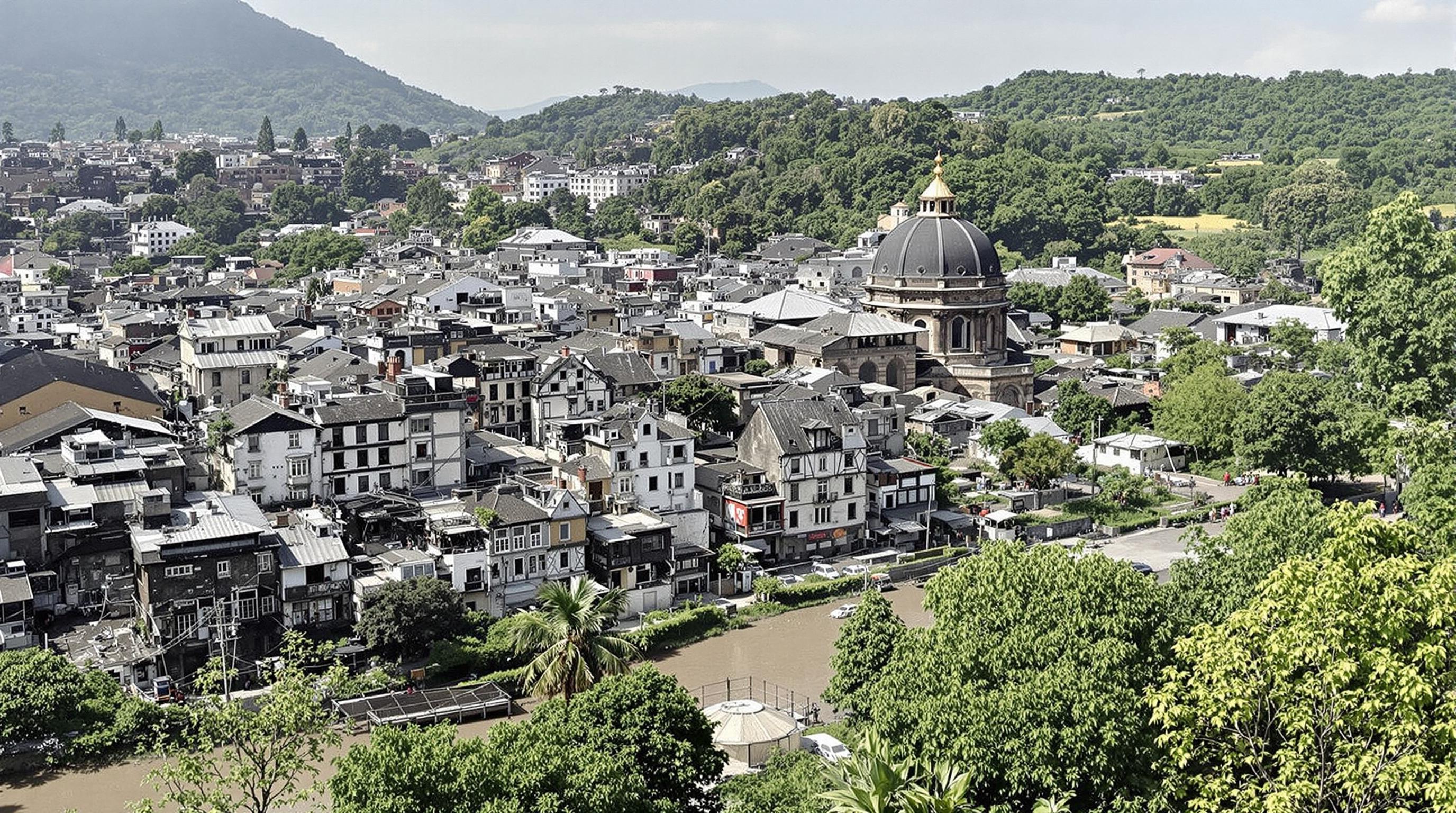
Fragmented Heritage: 6 Unseen Paths of Cultural Exchange Shaping Identity and Belonging in a Globalized World
Fragmented Heritage: 6 Unseen Paths of Cultural Exchange Shaping Identity and Belonging in a Globalized World
Fragmented Heritage: 6 Unseen Paths of Cultural Exchange Shaping Identity and Belonging in a Globalized World
Introduction: The Complexity of Cultural Narratives
In an increasingly interconnected world, cultural identities are constantly evolving, shaped by interactions across borders. The phenomenon known as cultural exchange has transcended traditional boundaries, giving rise to a multitude of identities that reflect both local traditions and global influences. The result is a rich tapestry of heritage that is often fragmented, revealing unseen paths where cultures intersect and diverge.
Cultural exchange can manifest in various ways, from the adoption of culinary practices to the fusion of musical styles. As individuals navigate through diverse cultural landscapes, they reconfigure their sense of belonging, creating nuanced identities that may not fit neatly into established categories. Understanding these paths is crucial for recognizing how we define ourselves in a globalized world.
This exploration delves into six unseen paths of cultural exchange, illuminating the intricate dynamics that shape contemporary identity and belonging. By examining these connections, we can appreciate the depth and complexity of human experience, fostering a greater understanding of our interconnectedness.
Path 1: Migration and Diaspora
One of the most potent forces of cultural exchange is migration, which facilitates the movement of people and their cultural practices across geographical and political boundaries. Historically, diasporas have contributed significantly to cultural diversity, infusing host societies with the traditions and customs of their homelands. The experiences of migrants often lead to hybridity, where individuals create new identities that reflect both their heritage and their current environment.
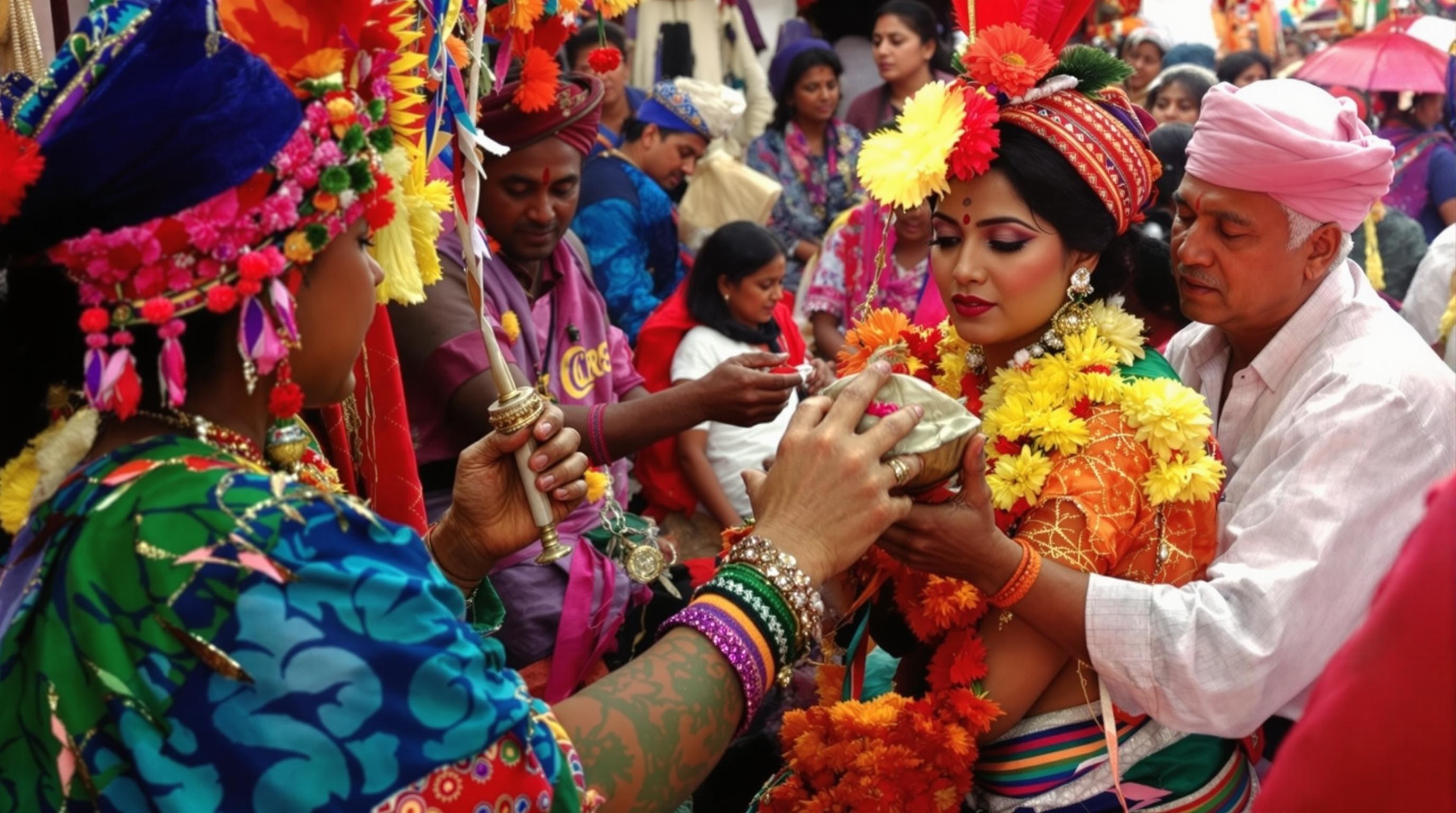
As migrants settle in new regions, they bring their culinary flavors, languages, and artistic expressions, enabling a vibrant cross-pollination of ideas. For instance, cities like Toronto and London exemplify how immigrant communities have shaped local cultures, giving rise to multicultural festivals that celebrate this diversity. Such events foster a sense of belonging not only for migrants but also for the broader community by promoting inclusivity and understanding.
Research indicates that diasporic individuals often retain strong ties to their cultural roots while simultaneously assimilating into their host cultures (Volk & Smit, 2019). This duality highlights the dynamic nature of identity, demonstrating how it can be both anchored in heritage and adaptive to new contexts.
Path 2: Technology and Digital Spaces
The rise of digital technology has revolutionized the way cultural exchange occurs. Social media platforms, streaming services, and online communities enable individuals to connect and share their cultural expressions across vast distances. This digital landscape allows for real-time interactions and the dissemination of ideas that were once confined to local contexts.
Online platforms enable cultural sharing in unprecedented ways, from viral dance challenges that traverse borders to global forums discussing traditional arts. As people engage with diverse cultural content, they begin to redefine their sense of identity, often incorporating elements from various backgrounds into their lives. A recent study on digital culture emphasizes the role of the internet in facilitating new forms of identity construction among youth (Pew Research Center, 2022).
However, while the digital landscape opens new avenues for cultural exchange, it also raises questions about authenticity and representation. As traditional narratives are reinterpreted for global audiences, there is a risk of oversimplification or commercialization of cultural practices, leading to cultural appropriation rather than appreciation.
Path 3: Language and Communication
Language is a fundamental tool of cultural exchange, serving as a vessel for tradition, history, and identity. The global dominance of languages such as English and Spanish has influenced how cultures communicate, often leading to linguistic blending and shared terminologies. This can foster a deeper understanding between cultures, but it can also result in the erosion of minority languages and dialects.
The preservation of languages offers critical insights into unique worldviews and cultural practices. Efforts to revitalize endangered languages often involve community engagement and the use of technology to reach younger generations. For example, initiatives in Indigenous communities across North America emphasize the importance of language in maintaining cultural identity (Hinton, 2015).
Furthermore, language learning acts as a bridge, enhancing intercultural communication and fostering empathy. The process of learning a new language can change individual perspectives, encouraging respect and appreciation for the complexities of different cultures.
Path 4: Fashion and Material Culture
Fashion serves as a vital mode of cultural exchange, reflecting societal values, identities, and history. The global fashion industry often draws inspiration from diverse cultural traditions, leading to the fusion of styles and materials that represent a blend of influences. While this exchange can promote cross-cultural dialogue, it also poses challenges regarding the appropriation of cultural symbols.
Local artisans often find their traditional craft practices celebrated and disseminated in global markets, supporting both economic development and cultural recognition. However, it is essential to navigate this space with sensitivity, ensuring that the origins of these crafts are honored and that artisans receive fair compensation for their work.
Ultimately, fashion not only enables individuals to express their identity but also serves as a reflection of the socio-political climate. Cultural appropriation debates surrounding fashion highlight the need for ethical considerations in how cultural elements are shared and celebrated.
Path 5: Food as a Cultural Connector
Food has long been a symbol of cultural identity and heritage, acting as a medium for exchange and connection. The globalization of cuisine has introduced a plethora of culinary experiences, allowing people to explore flavors from around the world. This gastronomic exchange reflects the adaptation of ingredients and techniques that bridge cultural divides.
Restaurants and food markets serve as cultural hubs, providing spaces where culinary traditions are both preserved and innovated. The rise of global food festivals showcases this cultural melting pot, celebrating diversity while encouraging dialogue about the stories behind each dish. Communities come together through food, creating shared experiences that foster belonging.
Yet, the commercialization of traditional cuisines can sometimes overshadow their cultural significance. Discussions around food sovereignty and the importance of maintaining traditional agricultural practices highlight the need for a balanced approach that honors both innovation and heritage.
Path 6: Art and Creative Expression
Art plays a central role in cultural exchange, serving as a powerful means of communication that transcends language barriers. Visual art, music, and performative arts create emotional connections, allowing viewers to engage with experiences outside their own. The intermingling of artistic styles often leads to innovative forms that challenge established norms and inspire new dialogues around identity.
Collaborative art projects that bring together artists from different backgrounds exemplify the power of creative exchange. Initiatives focused on social issues such as migration, climate change, and community building utilize art as a form of activism. By sharing their narratives, artists create spaces for dialogue that encourage empathy and understanding.
As contemporary art continues to evolve, it increasingly reflects the complexities of globalization and the need for cultural preservation. Critical discussions about representation, access, and the role of the artist in society shape our understanding of culture as a living, breathing entity that adapts to changing circumstances.
Conclusion: Embracing Fragmented Heritage
The intricate paths of cultural exchange that define our globalized world reveal the multifaceted nature of identity and belonging. As individuals navigate their fragmented heritage, they draw upon diverse influences that enrich their understanding of self and community. Recognizing the unseen connections among cultures is essential for fostering empathy and cultivating a sense of belonging in a diverse society.
While globalization presents challenges regarding cultural appropriation and sustainability, it also offers opportunities for collaboration and dialogue. By embracing cultural diversity and honoring traditions while promoting innovation, we can create spaces where all voices are heard and respected.
As we move forward, it is vital to continuously reflect on how we engage with and share cultural practices. By fostering meaningful exchange and understanding, we can contribute to a world that values both our individuality and our interconnectedness.
Read More