Related Articles
- Navigating Ethical Travel: The Role of Arts and Crafts in Supporting Local Economies and Cultures
- Rediscovering Ancestral Routes: How Ancient Trails Offer Insights into Sustainable Travel Practices
- The Ethical Dilemma of Luxury Travel: Splurging or Supporting Sustainable Development?
- Navigating Ethical Dilemmas: The Quest for Authenticity in Local Food Experiences While Traveling
- Beyond the Facade: Exploring the Subsurface Infrastructure of Iconic Historical Structures
- Curiosities Unearthed: The Surprising Connections Between Historic Sites and Modern Art Movements
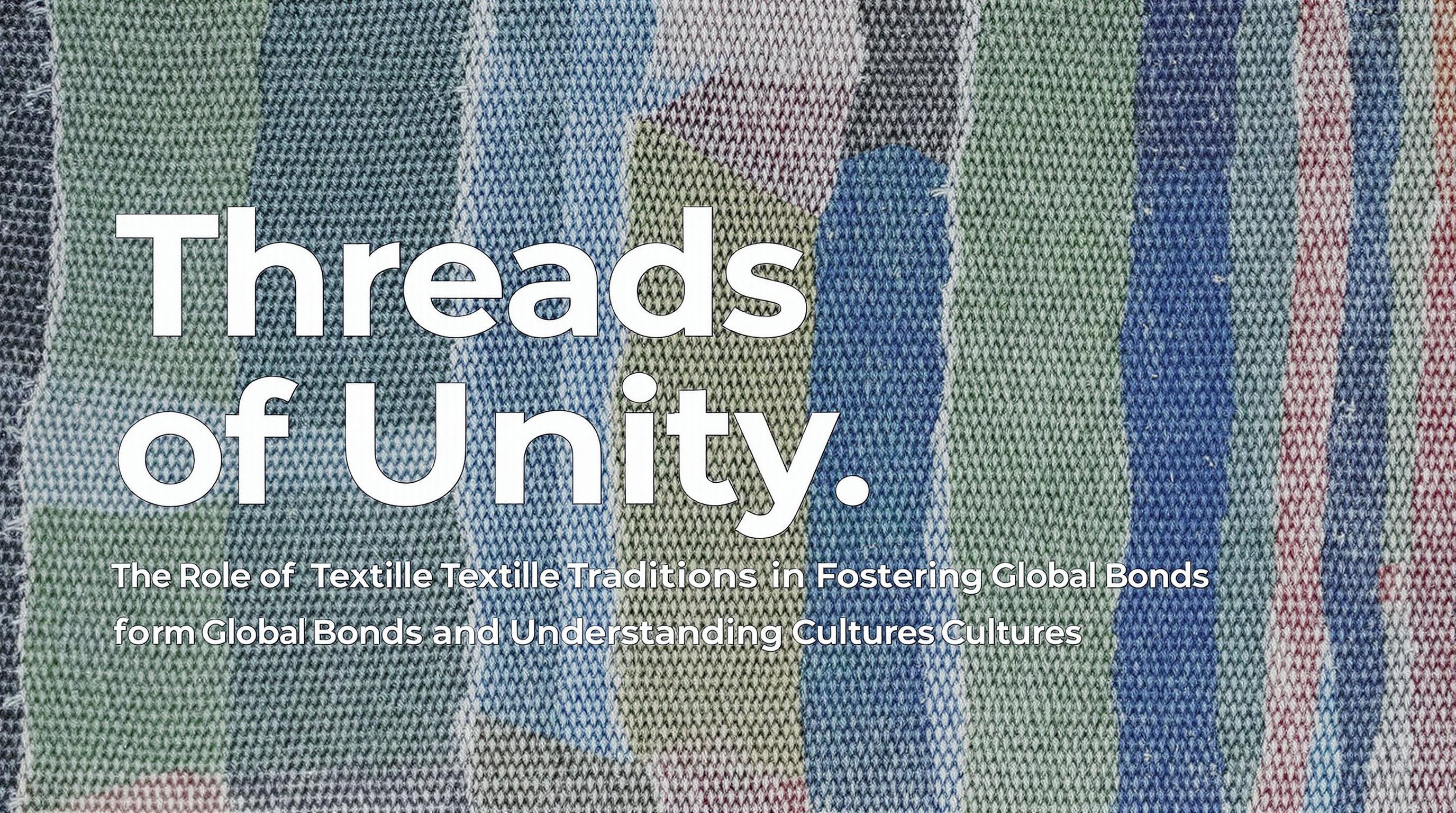
Threads of Unity: The Role of Textile Traditions in Fostering Global Bonds and Understanding Cultures
Threads of Unity: The Role of Textile Traditions in Fostering Global Bonds and Understanding Cultures
Textile traditions are more than just fabric; they are woven narratives that stitch the world together in understanding and cultural appreciation. This article explores how the art of textiles fosters global bonds, transcends borders, and promotes the importance of cultural heritage.
Material Culture: The Unraveling of Threads
As we delve deeper into the world of textiles, we recognize that every thread tells a story. From the vibrant patterns of African kente cloth to the intricate designs of Indian ikat, textiles serve as a physical representation of cultural identity. The patterns often hold significant meanings, reflecting the values, beliefs, and history of the artisans who create them.
Statistics That Weave a Global Picture
Did you know that the global textile industry was valued at approximately $920 billion in 2021? According to Statista, this figure is expected to surpass $1 trillion by 2024. This surge illustrates not just a commodity market but also highlights the deep cultural associations tied to fabric production and use.
Case Study: The Role of Textiles in Indigenous Cultures
Indigenous communities across the world use textiles to communicate their histories and social structures. For instance, the Maya of Central America use traditional weavings that illustrate their cosmology, community, and social hierarchy. This form of expression not only serves to preserve their culture but also enhances their visibility in a globalized world. In recent years, initiatives like the Maya Threads Project have helped to raise awareness and promote fair trade practices that keep these traditions alive.
Tales from the Loom: A Personal Journey
Let me take you on a little journey. Picture me as a curious 27-year-old—okay, enough about my age! On a trip to Morocco, I visited the bustling souks where artisans displayed their wares. I was utterly captivated by a colorful array of rugs and textiles. Each piece felt alive—I could almost hear the whisper of the looms as they transformed raw wool into intricate stories that have been passed down through generations. It was there that I truly understood the emotional and cultural significance behind textiles.
A Conversation on Cultural Understanding
Let’s face it: one of the biggest issues our world faces today is the lack of understanding among different cultures. Textiles can bridge this gap. When one wears a scarf from a different culture, it becomes not just a fashion statement, but a piece of art imbued with history and meaning. By appreciating these fabrics, we foster a sense of respect and curiosity about the cultures they come from. It’s like extending a hand across the globe; you are not just wearing a piece of cloth, you are wearing a story.
Humor in Threads
Now, let’s lighten the mood with a little humor. Have you ever noticed how your grandma insists on knitting you yet another sweater, despite your overwhelming collection? You love grandma’s sweaters, but it’s not like you’re going to need a turtleneck in July! Textiles can sometimes get a bad rap for being merely functional or decorative; however, within that sweater lies the warmth of your grandma’s love, or at least we’d like to believe that’s why we keep two or three of them at the back of our wardrobes.
The Environmental Narrative
Not only do textiles hold cultural significance, but they also have implications for sustainability. According to the Environmental Protection Agency (EPA), clothing and textiles accounted for over 17 million tons of waste in 2018 in the United States alone. This figure drives home the importance of conserving textile traditions that promote sustainable practices—instead of fast fashion, why not invest in a hand-woven blanket that tells a story and lasts a lifetime?
Connecting through Craftsmanship
In many cultures, textile traditions are passed down through generations. A famous example is the Japanese art of sashiko—a method that originated in the Edo period for reinforcing garments. Today, sashiko serves not just a functional role but a cultural one, offering a way for modern artisans to connect with their ancestry. This reflects a growing trend, where people are increasingly recognizing the value in handmade crafts and their connections to human experiences.
Guest Insight: Voices from the Craft Community
During a recent webinar, I listened to artisans from around the world share their experiences with textiles. One silk maker from Thailand spoke passionately about how her natural dyeing process keeps traditional methods alive. She stated, “When I dye silk with indigo, I’m not just coloring fabric; I’m connecting with my roots and preserving a history that could easily fade in today's fast-paced world.” This sentiment is echoed across many cultures and communities invested in preserving textile traditions.
Empowering Women Through Weaving
Textile production is often a means of empowerment for women in various parts of the world. Organizations such as WomenFair create opportunities for women artisans to sell their handmade goods, helping them gain economic independence. Through textiles, women reinforce their voices and place in society, using their art as a tool for social change. Empowering women through craft leads to broader societal changes that can impact communities deeply.
Textile Diplomacy: A Global Phenomenon
Who knew that textiles could be a diplomatic tool? In recent years, we’ve seen growing interest in “textile diplomacy,” where nations use fabric and fashion to foster international relations. The British Fashion Council, for example, collaborates with various nations to showcase traditional textiles at fashion shows, promoting global awareness and understanding through art. These cultural exchanges can effectively break down barriers and foster a sense of community among nations.
The Future of Textile Traditions
As we head further into the 21st century, how do we preserve these vibrant traditions amidst globalization? A critical aspect lies in education and community support. Cultivating appreciation for textile arts can inspire future generations. Schools and educational institutions incorporating textile studies into their curriculum can lead to a new generation of artisans dedicated to preserving these art forms while exercising their creativity.
Conclusion: Weaving a Tapestry of Understanding
Textiles are more than just fabric to cover our bodies; they are our shared narratives, cultural markers, and bridges of understanding that span the globe. Engaging with textile traditions can foster appreciation, ignite curiosity, and encourage meaningful discussion among cultures. Whether through indigenous weavings or modern adaptations, the humble thread connects us in ways we are just beginning to explore. The fabric of our world, after all, is intricately woven together by the experiences and stories of its diverse inhabitants.
Read More