Related Articles
- Navigating Ethical Travel: The Role of Arts and Crafts in Supporting Local Economies and Cultures
- Rediscovering Ancestral Routes: How Ancient Trails Offer Insights into Sustainable Travel Practices
- The Ethical Dilemma of Luxury Travel: Splurging or Supporting Sustainable Development?
- Navigating Ethical Dilemmas: The Quest for Authenticity in Local Food Experiences While Traveling
- Beyond the Facade: Exploring the Subsurface Infrastructure of Iconic Historical Structures
- Curiosities Unearthed: The Surprising Connections Between Historic Sites and Modern Art Movements
Whispers of the Past: How Cultural Ancestry Shapes Modern Connections in a Globalized World
Whispers of the Past: How Cultural Ancestry Shapes Modern Connections in a Globalized World
In a rapidly globalized world, the echoes of our cultural ancestry create unique connections that shape modern society. By exploring the dynamic interplay between heritage and contemporary identity, we can better understand the landscape of human relationships today.
Tracing Roots: Why Ancestry Matters
Imagine sitting down with your family over a meal, the air thick with spices and the sound of laughter echoing the joys of generations past. This isn't just a dinner; it's a bridge between your lineage and your present self. Research shows that approximately 80% of people feel a deeper connection to their culture when they engage in family traditions. It’s fascinating how the stories we inherit often mold our contemporary identities—in essence, whispers of the past become the loudest calls in our modern lives.
The Modern Tapestry: Connecting Across Borders
In today's interconnected age, the melting pot of cultures can be both refreshing and bewildering. With millions traversing borders every year, it's imperative to consider how diverse heritages enrich daily interactions. Think about it: a New York City street is a blend of voices, styles, and cuisines from around the globe. This not only encourages cultural exchange but also highlights how shared experiences create bonds. In fact, research by Pew Research Center indicates that the majority of Americans (59%) believe that cultural differences in the U.S. enrich society. This indicates that even amidst globalization, there’s an intrinsic appreciation for our varied roots that enhances community ties.
Personal Heritage: My Story
On a chilly autumn evening as a 28-year-old with a passion for genealogy, I uncovered a treasure trove of family stories. My great-grandmother, an Italian immigrant, came to America by ship carrying nothing but a small suitcase and dreams of a better life. The tales told over family dinners about her journey—not only about her challenges but also about the vibrant community she built—made me see my modern challenges in a new light. Her grit and determination resonate within me, influencing my personal and professional choices today.
Popular Culture: A Reflection of Ancestry
Consider the film "Crazy Rich Asians," which became a cultural landmark in 2018. It showcased not just the opulence of wealth but also a rich tapestry of Asian heritage, filled with traditional values and family dynamics. As Prof. Kwan-Ling Huang observed in her research, films that depict cultural ancestry contribute significantly to creating dialogue about identity and belonging in a global context. Such representations are vital; they cultivate pride in our backgrounds while fostering a sense of unity among different communities.
Statistics of Connection
Let’s add some numbers to this discussion: according to a 2022 survey conducted by the Global Citizenship initiative, 72% of young adults aged 18-24 claim their cultural heritage influences their decisions—ranging from career choices to the way they engage with partners. The research emphasizes that understanding one's background fosters better mental health too, with 65% of respondents reporting increased self-esteem. What does this tell us? When we embrace our ancestry, we inherently better our present and future.
Conversation Starter: Ancestry and Relationships
“So, where are you from?” This simple question often carries a complex web of meanings. When asked, it can lead to discussions on family history, nationality, and even shared customs. In a casual coffee shop chat, it can inspire a delightful comparison of childhood traditions or family recipes passed down through generations. Humorously, some might even find that sharing such stories leads to spontaneous dance-offs of traditional folktales, proving that our past is indeed a lively companion.
Language: The Heartbeat of Cultural Ancestry
Language is perhaps the most immediate link to our ancestors. The way words roll off the tongue can evoke nostalgia and a sense of belonging. Did you know that around 7,000 languages are spoken worldwide? According to Ethnologue, only about 90 languages account for nearly half of the world's population. Losing a language is akin to losing a fragment of one's identity. As the world becomes homogenized, preserving language is essential not just for heritage but also for fostering connections in modern society.
Global Dialogues: Beyond Borders
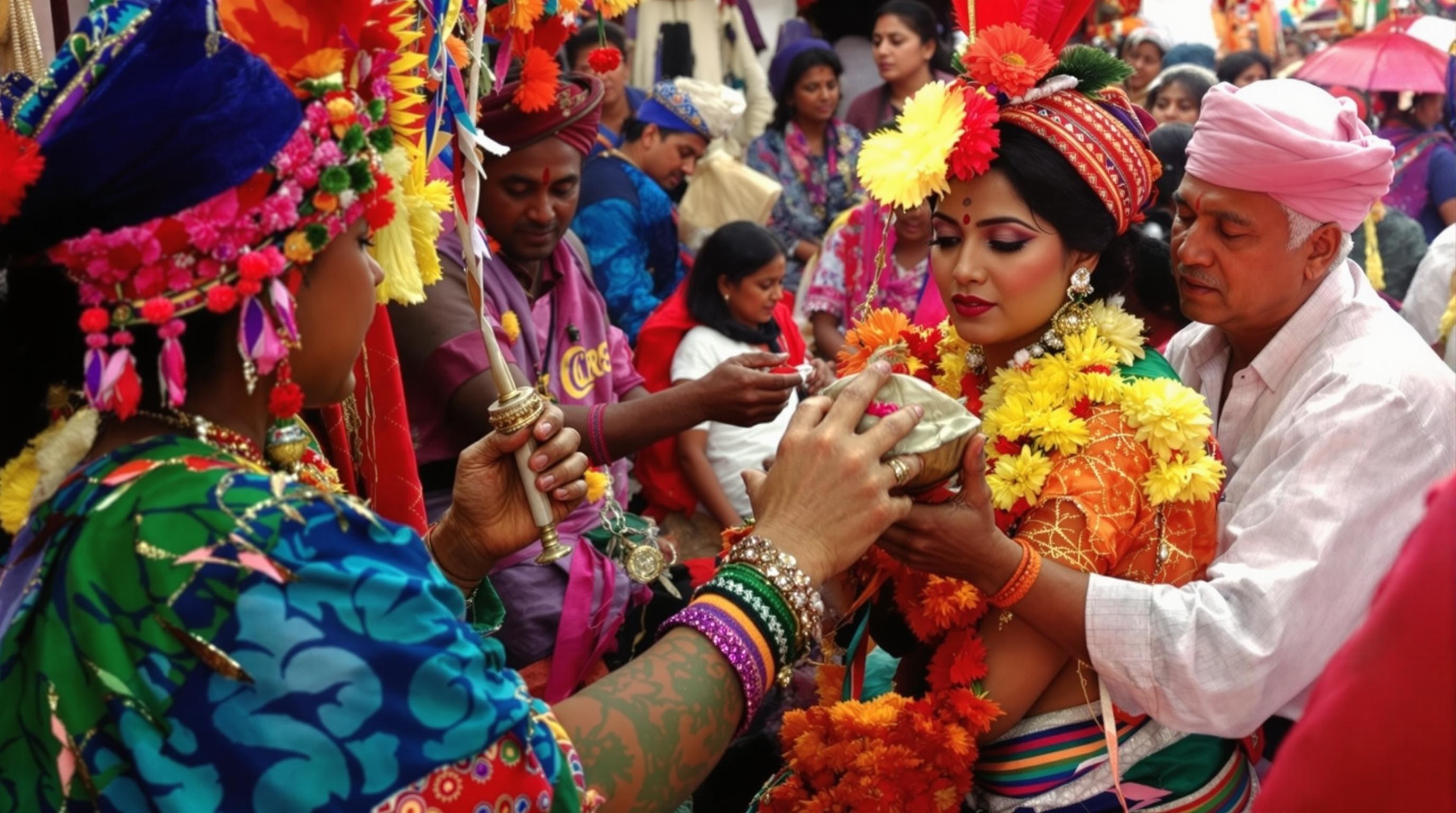
There are fascinating stories from countries like India, where festivals like Diwali bridge generational gaps, celebrating tales of valor and sacrifice passed down through generations. Youngsters often celebrate with their families, learning the stories that shaped their identities while sharing modern interpretations via social media, thereby connecting with those worldwide. This interaction roots them in their ancestry while allowing them to pave new paths; they’re essentially rebuilding their narrative tapestry with threads of the past and present.
The Future is Ancestral
In conclusion, the whispers of our cultural ancestry resonate in every facet of our lives. As we continue to navigate through the complexities brought on by globalization, tapping into these roots will undoubtedly provide not just grounding but also a source of empowerment. So the next time you sit around the dinner table or engage in conversation with someone from a different background, remember: your heritage isn’t just your past; it’s a vibrant part of who you are and who you will become.
A Call to Action: Embrace Your Heritage
If you haven’t already, go ahead—trace your roots! Engage in conversations and learn about your family’s history. Not sure where to start? Websites like Ancestry.com and 23andMe can guide your journey, providing insights that may have long been forgotten. Whether you identify it as a hobby or a profound quest, understanding your ancestry can become one of the most gratifying pursuits of your life—and it’s right there waiting.
The Rhythms of Culture: Dance and Art as Connection
Let’s shift gears a bit—art and dance! These forms of expression are often direct channels to cultural ancestry. Take salsa, for instance. Its roots lie not only in African and Caribbean rhythms but also in the immigrant experiences that shaped its evolution. Today, dance classes draw multicultural crowds, forging connections through shared movements and melodies—creating a space where individuals not only learn a skill but also partake in a story that binds them to a broader heritage.
Moreover, art exhibitions that showcase various cultural backgrounds have become popular worldwide, inviting attendees to experience emotions and narratives that reflect their core values. It’s like taking a passport-free trip around the globe, where the brush strokes or the dance steps tell stories that echo the past while harmonizing with the present.
Ultimately, the whispers of yesterday will continue to shape our tomorrows, creating connections that transcend borders. Let's cherish and share these tales, weaving them into the vibrant fabric of our evolving identities.
Read More