Related Articles
- Navigating Ethical Travel: The Role of Arts and Crafts in Supporting Local Economies and Cultures
- Rediscovering Ancestral Routes: How Ancient Trails Offer Insights into Sustainable Travel Practices
- The Ethical Dilemma of Luxury Travel: Splurging or Supporting Sustainable Development?
- Navigating Ethical Dilemmas: The Quest for Authenticity in Local Food Experiences While Traveling
- Beyond the Facade: Exploring the Subsurface Infrastructure of Iconic Historical Structures
- Curiosities Unearthed: The Surprising Connections Between Historic Sites and Modern Art Movements
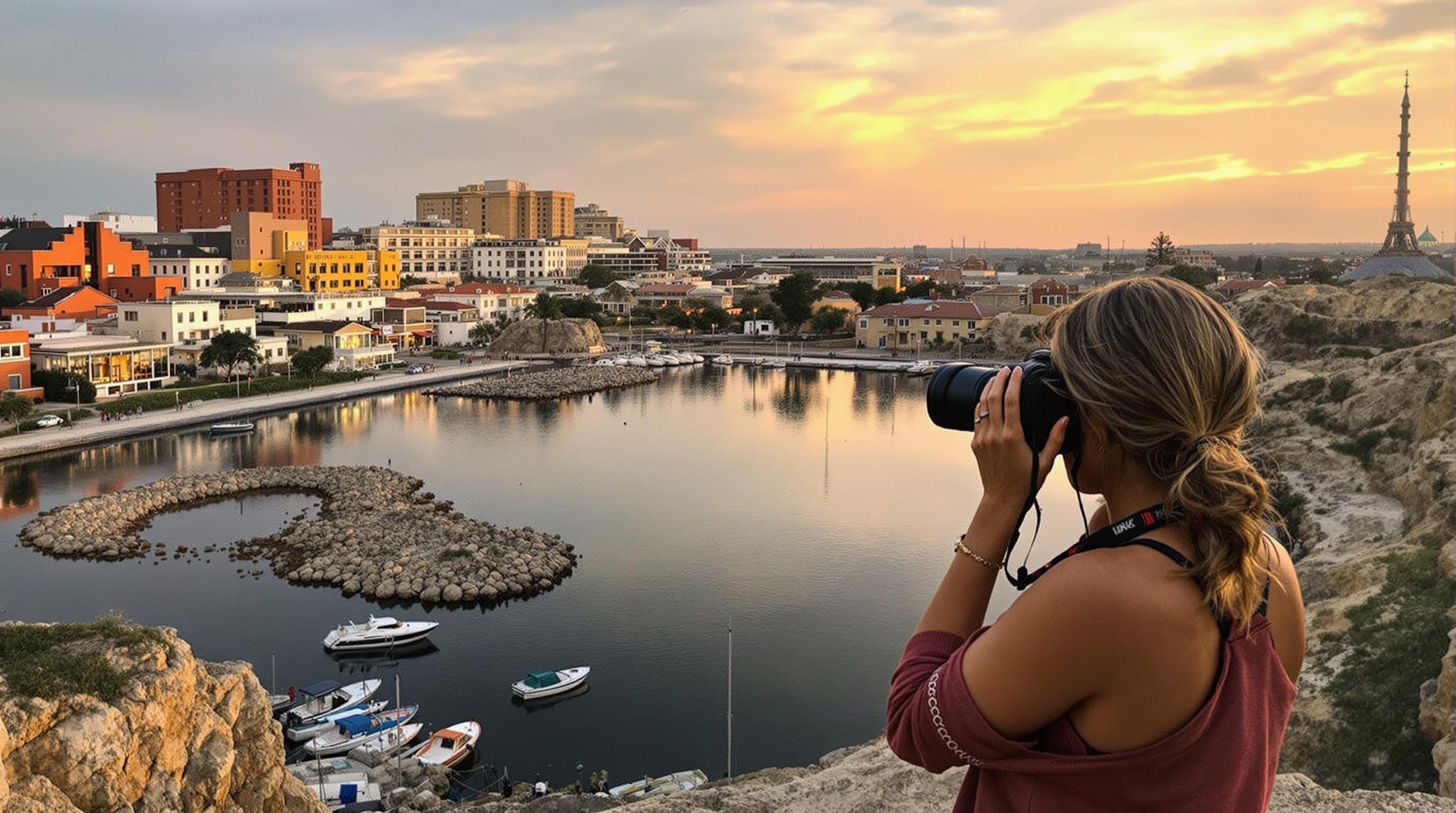
10 Overlooked Travel Photography Tips to Gain Unique Insights and Craft Compelling Stories Through Your Lens
10 Overlooked Travel Photography Tips to Gain Unique Insights and Craft Compelling Stories Through Your Lens
10 Overlooked Travel Photography Tips to Gain Unique Insights and Craft Compelling Stories Through Your Lens
1. Embrace the Unremarkable
In a world that frequently idolizes breathtaking landscapes and monumental architecture, it is easy to overlook the beauty residing in the mundane. Seek out the small, unassuming details that often go unnoticed—the peeling paint on an old café door, or the handwoven baskets at a local market. These seemingly trivial subjects have the power to elicit powerful narratives when captured thoughtfully.
Visual storytelling requires looking beyond the obvious and allowing oneself to be intrigued by the ordinary. As photographer David duChemin articulates, "The best camera is the one that you have with you." Carrying your camera as you explore everyday life grants you the opportunity to encounter stories that might otherwise remain hidden away.
Remember, the magic of travel lies not only in the iconic destinations but also in the sum of fleeting moments that define the culture and character of a place. Document these scenes to craft powerful visual anecdotes that resonate deeply with viewers.
2. Engage with Locals
A remarkable facet of travel is the opportunity to engage with diverse individuals, each possessing unique stories shaped by their environment. Taking the time to converse with locals not only enriches your understanding of the locale but also inspires authentic photography. Whether it's sharing a simple smile or delving into a longer conversation, these interactions will profoundly influence your photos.
Consider asking for permission before photographing someone; a friendly dialogue can pave the way for more candid, heartfelt portraits. As renowned photographer Steve McCurry once noted, “Wherever you go, you’ll find people, and people are what the world is made of.” By connecting to the local spirit, you will infuse your images with life and soul.
Make it a point to capture not just the people, but their stories, habits, and idiosyncrasies. Each portrait can serve as a gateway to a deeper narrative that invites viewers to appreciate the nuances of foreign cultures.
3. Investigate the Role of Light
Natural light is a photographer’s most essential tool, yet many overlook how the quality of light can dramatically alter a scene. Pay close attention to the time of day; golden hour—shortly after sunrise and before sunset—offers a soft, warm glow that can elevate ordinary scenes into extraordinary compositions.
Moreover, experimenting with different lighting conditions can yield surprising results. For instance, the ethereal beauty of shadows during midday or the mysterious allure of twilight can help create compelling images that challenge conventional perspectives. As photographer Ansel Adams observed, “There are no rules for good photographs, there are only good photographs.”
Thus, don’t shy away from the harsh midday sun or overcast clouds; use them to your advantage. Assess how light transforms your subjects and compositions; embrace serendipity in your process and let it guide you to unique photographic insights.
4. Frame Your Shots Thoughtfully
Composition plays a significant role in storytelling through photography. Simple techniques, such as incorporating leading lines, framing subjects with natural elements, or adhering to the rule of thirds, can enhance the visual impact of your images. Thoughtful framing helps organize the viewer's gaze and can convey emotions that words cannot.
Consider the use of negative space to highlight focal points, allowing the viewer's imagination to fill in the gaps. Each element within the frame should serve a purpose in contributing to the overall narrative. As the artful compositions of Henri Cartier-Bresson demonstrate, decisive moments often hinge upon meticulous attention to detail.
Experimentation is key; don’t fear breaking compositional ‘rules’ to discover what resonates most powerfully within your lens. The art of photography is both technical and creative, inviting you to sharpen your instincts in service of the stories you wish to capture.
5. Shift Your Perspective
We often adopt a pedestrian viewpoint when composing photographs, leading to predictable shots. Challenge yourself with the task of shifting perspectives—climb higher, bend lower, or even approach from unusual vantage points. These alterations can unveil hidden aspects of familiar scenes, adding depth and richness to your storytelling.
Take inspiration from artists like Gregory Crewdson, who meticulously constructs diverse environments before capturing the intricate drama depicted within. Every angle reveals a distinct narrative; thus, experimenting with your perspective can transform the mundane into the extraordinary.
By stepping outside your comfort zone and adjusting your viewpoint, you can unearth unique insights that significantly enhance your photography. Harness the power of perspective to capture the essence of your travel experiences more authentically.
6. Capture the Silence
In a digitally driven age, the beauty of silence often gets drowned out by the cacophony of noise. Yet silence itself can be an eloquent subject, conveying serenity and contemplation. Intentionally framing scenes that evoke tranquility can invite viewers to pause and reflect.
Seek out landscapes that radiate calmness, whether it’s a deserted beach at dusk or an abandoned street at dawn. Photographer Michael Kenna is renowned for his ethereal black-and-white landscapes that encapsulate stillness, demonstrating how the absence of movement can express powerful emotions.
When you capture silence in your photographs, you allow viewers to immerse themselves in a moment, fostering a deeper connection with the image. By thoughtfully selecting these serene scenes, you accentuate the reflective quality of travel, reminding us of the beauty woven into moments of pause.
7. Incorporate Textures and Patterns
Textures and patterns often speak volumes in visual storytelling, adding dimension and intrigue to your photographs. These elements can be found in nature, architecture, and even clothing, providing insights into cultural identity and history.
Consider photographing the intricate details of a traditional textile artisan at work or the weathered surfaces of historic buildings. These patterns can serve to evoke tactile sensations, transporting viewers beyond the visual realm and into the very heart of your subject.
Textures and patterns also evoke a sense of place—serving as visual connections to a locale's heritage. By emphasizing these aspects in your images, you enrich the narrative and allow the environment to come alive through your lens.
8. Create a Series
Rather than approaching travel photography as a collection of standalone images, consider constructing a cohesive series that connects various elements of your journey. Thematic storytelling allows viewers to experience a multifaceted narrative, thus deepening their understanding of a place and its people.
For example, you might curate a series that highlights street food culture, showcasing stalls, ingredients, and the culinary artisans behind the creations. This creates a comprehensive visual exploration, merging culinary artistry with travel experience.
By thoughtfully connecting images, you transcend mere documentation, creating an evocative narrative that invites viewers to engage and journey alongside you. A well-designed series not only highlights essential elements but emphasizes the underlying stories, enriching the narrative fabric of travel photography.
9. Edit with Intention
Post-processing can be a powerful tool for enhancing storytelling in photography. However, it is crucial to approach editing with intention, ensuring that your adjustments complement the story rather than overshadow it. Emphasize the emotions evoked in your photographs; perhaps brightening a scene or enhancing colors to reflect the vibrancy of a bustling marketplace.
Furthermore, consider how contrasting editing styles—such as high saturation for energetic urban scenes or muted tones for contemplative landscapes—can reinforce the themes within your images. As renowned photographer and educator Scott Kelby asserts, “Your camera doesn’t take the photograph, you do.”
Strive for a balance where your editing enhances the narrative you aim to share, providing a polished yet authentic portrayal of your travel experiences. Remember, each adjustment should work harmoniously to elevate your story.
10. Reflect on Your Journey
Finally, as important as the act of capturing images is the practice of reflection. After your travels, take the time to evaluate your photographs, considering what resonates with you emotionally, aesthetically, and narratively. This self-reflection not only enhances your understanding of your own artistic voice but guides future work.
Keeping a journal alongside your photography can help to document thoughts and feelings related to specific images. Candid notes on emotions, reactions, or anecdotes can serve as the backbone to curate rich, engaging narratives around your journey.
In doing so, you begin to intertwine personal experiences with your photography, transforming your portfolio into an animated story woven with authenticity, feeling, and passion. By reflecting on your travels, you can better appreciate the remarkable journey both you and your lens have undertaken.
Read More