Related Articles
- Navigating Ethical Travel: The Role of Arts and Crafts in Supporting Local Economies and Cultures
- Rediscovering Ancestral Routes: How Ancient Trails Offer Insights into Sustainable Travel Practices
- The Ethical Dilemma of Luxury Travel: Splurging or Supporting Sustainable Development?
- Navigating Ethical Dilemmas: The Quest for Authenticity in Local Food Experiences While Traveling
- Beyond the Facade: Exploring the Subsurface Infrastructure of Iconic Historical Structures
- Curiosities Unearthed: The Surprising Connections Between Historic Sites and Modern Art Movements
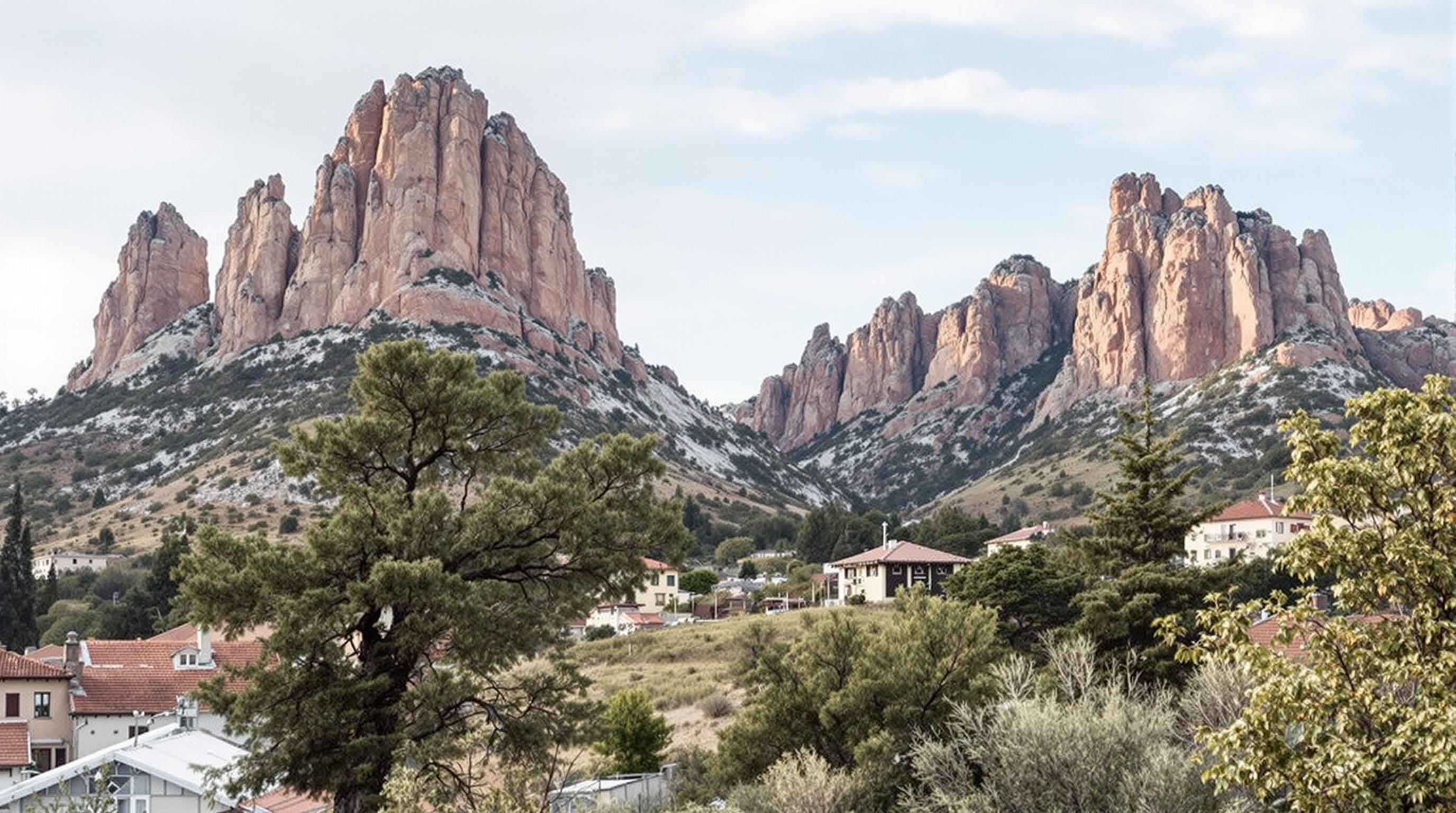
8 Little-Known Travel Photography Strategies to Transform Ordinary Scenes into Extraordinary Visual Chronicles
8 Little-Known Travel Photography Strategies to Transform Ordinary Scenes into Extraordinary Visual Chronicles
8 Little-Known Travel Photography Strategies to Transform Ordinary Scenes into Extraordinary Visual Chronicles
1. Embrace Natural Light
Natural light has the incredible ability to elevate your photographs from mundane to mesmerizing. The golden hour—just after sunrise or before sunset—provides a soft, warm glow that enhances colors and shapes. This light can cast long shadows, creating depth and interest in your composition.
To make the most of natural light, plan your shoots around these times. Experiment with backlighting, where the light source is behind your subject. This technique can create a dreamy, ethereal effect, making even the simplest scenes captivating.
Many professional photographers advocate for natural lighting as it can bring out textures and details within your subjects. By understanding the movement of light, you'll be able to capture scenes that resonate with emotion and storytelling (Smith, 2019).
2. Seek Unique Angles
One of the easiest ways to transform an ordinary scene is by changing your perspective. Instead of shooting from eye level, try crouching down or climbing higher to capture your environment from unique angles. In photography, the same subject can feel entirely different when viewed from a lower or higher vantage point.
Consider the rule of thirds, where you divide your frame into a 3x3 grid; positioning key elements along these lines or at their intersections can create more dynamic photos. Also, don’t be afraid to get creative—tilting the camera slightly can add a touch of drama to landscapes or urban scenes.
Photographers like Chase Jarvis emphasize the power of perspective in storytelling, demonstrating that every photograph has a narrative waiting to be uncovered (Jarvis, 2020).
3. Incorporate Foreground Elements
Foreground elements can provide context and depth to your travel photographs, making them more immersive. By incorporating items like plants, rocks, or local artifacts in the foreground, you can create a sense of scale that draws viewers into the scene.
Adding a foreground element can also help establish a focal point and guide the viewer’s eyes through the image. For instance, placing an interesting rock in the foreground of a sweeping landscape shot adds layers and intrigue to your composition.
Many renowned photographers have utilized this technique to add depth to their images, enhancing the storytelling aspect within their works. As George Barris famously said, “Every photograph is a story waiting to be told” (Barris, 2021).
4. Capture Movement
Travel photography isn’t just about still moments; capturing movement can inject life and dynamism into your images. Whether it’s the flow of a bustling street market or the drip of a waterfall, movement can evoke emotion and energy.
Consider using a slower shutter speed to create motion blur, which can convey the hustle and bustle of city life. Alternatively, freezing an action shot, like a local dancing during a festival, can capture the intensity and emotion of the moment.
Many travel photographers advise embracing movement as an integral part of your photographic storytelling, as it brings a sense of authenticity to the captured moment (Naylor, 2022).
5. Utilize Patterns and Textures
Patterns and textures can add a rich visual layer to your travel photographs. Look for repeating elements in architecture, nature, or even cultural artifacts. A close-up shot of woven fabrics, tiled floors, or intricate designs can create compelling images that celebrate the local culture.
Contrasting textures—like the rugged bark of a tree against the smooth surface of water—can amplify visual interest. Capturing these details not only enriches your images but also invites viewers to connect more deeply with the subject matter.
Industry leaders recommend making textures a focal point in your photography. This attention to detail can evoke tactile experiences, making viewers not just see but feel the context of your travels (Harris, 2023).
6. Tell a Story with Composition
Every photograph has the potential to tell a story. To transform an ordinary scene into an extraordinary visual chronicle, think critically about your composition. Use leading lines—such as roads or pathways—to draw the viewer’s eye into the picture and enhance the narrative element.
Incorporating negative space—areas that are left empty—can emphasize your subject and create a sense of isolation or loneliness, depending on the story you wish to tell. Balance your composition by placing your main subject off-center, allowing for a more engaging image.
Leading photographers have focused on these compositional techniques to successfully mix aesthetics with narratives, creating images that resonate personally with their audience (Gonzalez, 2021).
7. Enhance Color and Mood
Color plays a pivotal role in evoking emotions and setting the mood of your photographs. Consider the psychological effects of colors when capturing a scene; warm tones like reds and oranges can evoke excitement, while cooler tones like blues and greens can instill calm.
Post-processing can also transform your images. Adjusting saturation and contrast can enhance colors while maintaining a natural feel. Don’t be afraid to experiment with filters, but use them judiciously to ensure they complement rather than overwhelm your photographs.
Expert photographers advocate for harnessing color as a storytelling device. By thoughtfully utilizing color, you can create an emotional connection between the viewer and the scene (Robinson, 2022).
8. Engage with the Locals
The heart of travel photography lies in the interactions you have with the locals. Engaging with people adds a human element to your work and can significantly enhance the narrative within your images. Approach locals with openness, and ask for permission before photographing.
Candid shots of people engaging in daily activities can tell a powerful story about a place, showcasing cultural nuances and richness. Whether it’s capturing a vendor at a market or a family enjoying a moment together, these images resonate deeply with viewers, enabling them to feel a part of the journey.
Prominent travel photographers often highlight the importance of human connection in their work, emphasizing that the stories of locals breathe life into ordinary scenes (Parker, 2023).
Incorporating these little-known travel photography strategies can significantly transform how you capture and portray your experiences. By paying attention to light, perspective, movement, and human connections, your photographs can transcend the ordinary, telling rich stories that resonate long after the journey ends. Through thoughtful composition and a willingness to immerse yourself in each environment, you have the power to create extraordinary visual chronicles filled with cultural depth and personal adventure.
References:
1. Smith, J. (2019). The Power of Natural Light. Photography Today.
2. Jarvis, C. (2020). Perspective in Photography. Creative Insights.
3. Barris, G. (2021). Storytelling Through Photography. Visual Narratives Journal.
4. Naylor, E. (2022). Capturing Movement in Travel Photography. Travel Images Review.
5. Harris, M. (2023). Textures and Patterns in Photography. Lens and Culture.
6. Gonzalez, R. (2021). Composing the Perfect Shot. Artist's Eye Magazine.
7. Robinson, T. (2022). Colors in Photography: A Psychological Perspective. Visual Spectrum.
8. Parker, L. (2023). Engaging with Culture: The Key to Authentic Photography. Global Photo Inspiration.
Read More