Related Articles
- Navigating Ethical Travel: The Role of Arts and Crafts in Supporting Local Economies and Cultures
- Rediscovering Ancestral Routes: How Ancient Trails Offer Insights into Sustainable Travel Practices
- The Ethical Dilemma of Luxury Travel: Splurging or Supporting Sustainable Development?
- Navigating Ethical Dilemmas: The Quest for Authenticity in Local Food Experiences While Traveling
- Beyond the Facade: Exploring the Subsurface Infrastructure of Iconic Historical Structures
- Curiosities Unearthed: The Surprising Connections Between Historic Sites and Modern Art Movements
11 Unexpected Travel Photography Hacks to Uncover Hidden Gems and Transform Mundane Moments into Stunning Visual Stories
11 Unexpected Travel Photography Hacks to Uncover Hidden Gems and Transform Mundane Moments into Stunning Visual Stories
11 Unexpected Travel Photography Hacks to Uncover Hidden Gems and Transform Mundane Moments into Stunning Visual Stories
1. Embrace Golden Hour
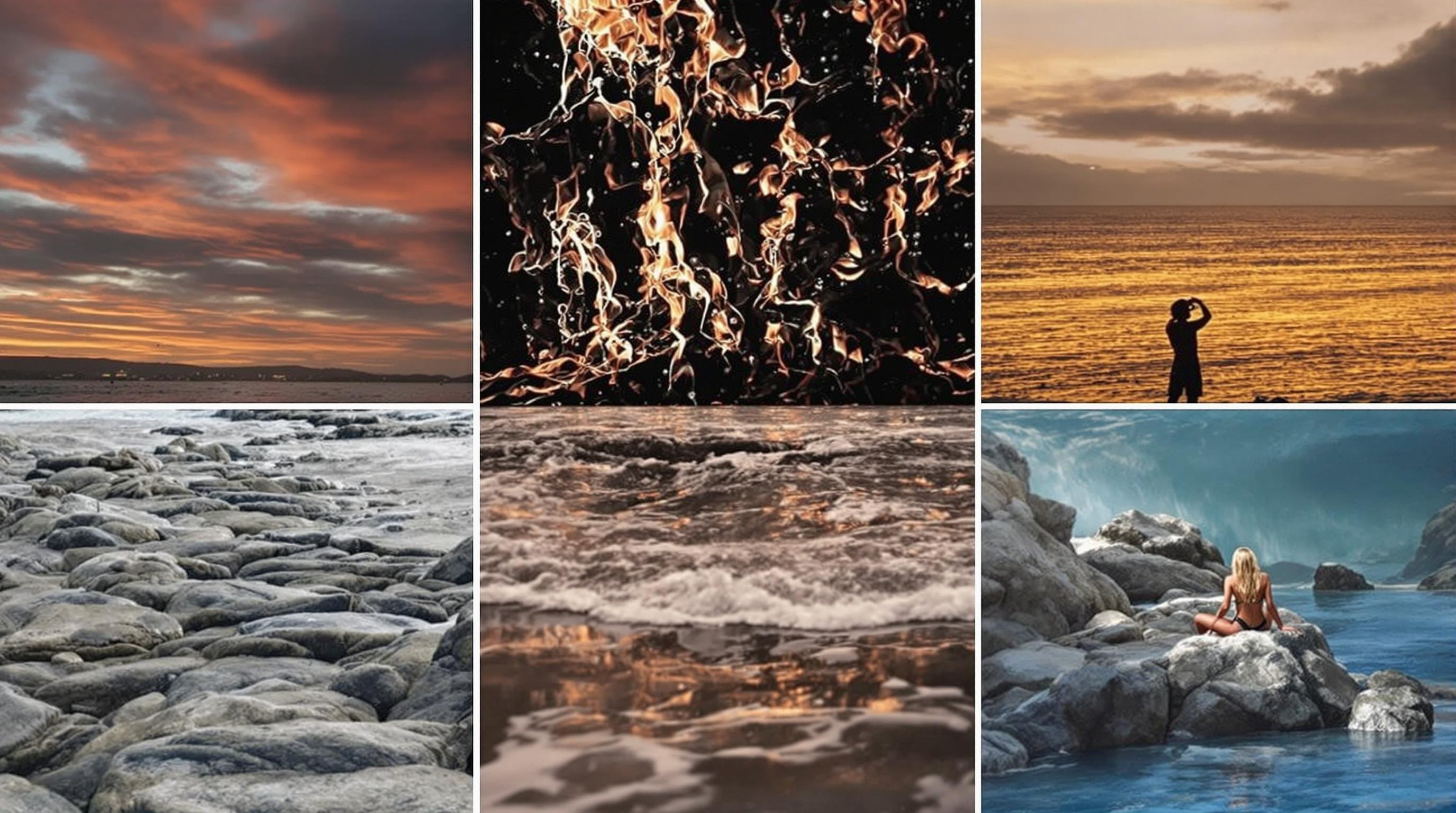
The magic of golden hour—the period shortly after sunrise or before sunset—can dramatically transform your travel photographs. The soft, warm light enhances colors and reduces harsh shadows, making everything from landscapes to portraits look ethereal. To make the most of this phenomenon, plan your shoots around these times. Check sunrise and sunset times in your location, and arrive ahead of schedule to scout the area.
Many photographers overlook this opportunity in favor of daytime spots or bright midday sun. However, understanding and utilizing golden hour will give your photos a professional touch. You can capture stunning compositions that tell a more compelling story about your travel experiences.
Don't shy away from experimenting during these hours. Play with backlighting, silhouettes, and unusual angles. This approach will add variety and intrigue to your travel photography portfolio.
2. Get Creative with Composition
Composition is the backbone of any great photograph. To elevate your shots, dive into the rule of thirds more deeply, but don’t feel restricted by it. You can create stunning images that break traditional compositional rules. Try framing your subject using natural elements around you, like trees, windows, or archways, to add depth and interest.
Incorporate leading lines to guide the viewer’s eye through the frame, or use negative space to create emotional impact. In travel photography, unconventional compositions not only capture stunning visuals but also tell a more profound story about the environment and culture you are experiencing.
Experimenting with different perspectives—such as shooting from low or high angles—can also help uncover hidden gems that might otherwise get lost in plain sight. Challenge yourself to see familiar scenes from a new viewpoint.
3. Utilize Local Knowledge
To find hidden gems, tap into the local culture. Engaging with locals can reveal lesser-known spots and unique perspectives that guidebooks often miss. Use social media platforms like Instagram or platforms like Meetup to connect with local photographers or travel enthusiasts who can share tips and hidden locations.
Don’t hesitate to strike up a conversation with shop owners or locals you encounter. They may point you toward breathtaking locations or timings you wouldn’t typically discover as a tourist. This insider information can lead to more authentic experiences and beautiful photography opportunities.
Participating in local cultural events or festivals can also expose you to unique scenes and people. This way, not only do you document the beautiful backdrop but also the vibrant culture surrounding it.
4. Capture the Mundane
Travel photography doesn’t solely require dramatic landscapes or breathtaking architecture. The mundane, everyday scenes often tell the richest stories. From local markets full of fresh produce to street performers showcasing their talents, photographing the ordinary can give a real feel for the culture you are experiencing.
Instead of shying away from cluttered streets or humble settings, see them as opportunities. Detail shots—like a close-up of hands crafting local handicrafts or a steaming plate of street food—can evoke powerful narratives without the need for grandeur.
Look for patterns and colors in everyday life, and capture the essence of a destination beyond its iconic landmarks. These photos can add depth and understanding to your travel experience, allowing you to convey the soul of a place.
5. Use Props Wisely
Props can enhance your photography by adding context and visual interest. Traveling with simple items like colorful scarves or hats can help create vibrant focal points in your images. A prop can act as a storytelling element, representing cultural significance or personal stories tied to your journey.
Consider incorporating local elements as props, such as souvenirs or traditional foods. This practice not only makes for playful, engaging shots but also embeds your photographs with cultural significance, connecting your experience to the images you take.
While using props, be mindful of composition and the overall context of your photograph. Make sure they're relevant and don’t distract from the main subject, ensuring that they enhance rather than overshadow the story you wish to tell.
6. Experiment with Editing Apps
Post-processing can drastically change the mood and tone of your travel photography. Rather than relying only on standard filters, delve into editing apps like Lightroom or Snapseed to bring a professional touch to your images. You can adjust exposure, contrast, and saturation to highlight the most captivating aspects of your photographs.
Don’t be afraid to tweak colors and brightness levels to achieve the desired emotional effect. Each destination has its unique atmosphere—you want your edits to reflect that authenticity. For instance, warm tones can evoke the dreamy quality of a golden-hour sunset.
Understand that editing is a powerful tool, but should remain true to the moment captured. Balance enhancement with authenticity to maintain the real essence of your travel experience.
7. Experiment with Multiple Shots
Never settle for just one shot. To genuinely capture a moment, take multiple photographs of the same scene. Experiment with different exposures, angles, and focal lengths to create a range of options to choose from later. This practice is especially crucial in busy environments where lighting can shift quickly.
Taking multiple shots allows you to be more adventurous with creative compositions while providing more choices during the editing process. It also increases the chances of catching spontaneous moments—like a passerby or a change in weather—that can add layers to your photography.
As you review your images later, you’ll be grateful for those extra shots, as they may reveal unforeseen brilliance you missed while shooting. In the world of photography, patience often leads to the most rewarding results.
8. Make Use of Technology
Embrace the latest technology to elevate your travel photography. Drone photography, for instance, allows you to capture stunning aerial shots that are impossible to achieve from the ground. In addition, smart cameras equipped with AI can help in composing better images or identifying optimal shooting conditions.
Mobile photography has reached remarkable heights, with smartphones now able to take photos that rival traditional cameras. Utilizing apps and accessories for your phone, such as clip-on lenses or stabilization gimbals, can take your creativity to the next level.
Lastly, don’t overlook the power of photography gear rentals for high-tech equipment you may not own. This can allow you to take advantage of the latest tools without a hefty investment, gaining opportunities to create amazing visual stories in each destination.
9. Focus on Detail and Textures
When traveling, take a moment to notice the intricate details and textures of your surroundings. The roughness of a stone wall, the colorful patterns of tiles, or the delicate engravings on a monument can evoke strong feelings through your photographs. Close-up shots not only create visual interest but also provide unique perspectives.
Use macro settings if your camera allows or focus on capturing smaller elements that would be overlooked in standard wide-angle shots. This technique can showcase the beauty in the everyday and the extraordinary intricacies of your experiences.
Detail shots can also establish a mood or complement a larger story. By emphasizing textures, you’re inviting viewers into the world you’re experiencing, allowing them to see it through your eyes.
10. Practice Patience and Presence
In our fast-paced world, it’s easy to rush through travel experiences and snap a few quick shots before moving on. However, the best photos often come from moments of stillness and observation. Take the time to immerse yourself in the environment and cultivate a sense of presence.
By being patient and taking the time to observe, you can anticipate moments that would otherwise pass quickly—the expression of a local, a child at play, or a fleeting exchange that encapsulates the essence of a place. This approach usually results in more meaningful and impactful photographs.
Don’t hesitate to spend extra time at a location you find significant; the perfect shot is often worth waiting for. Embrace stillness; it can lead to finding beauty in the quiet and the less conventional scenes.
Read More