Related Articles
- Navigating Ethical Travel: The Role of Arts and Crafts in Supporting Local Economies and Cultures
- Rediscovering Ancestral Routes: How Ancient Trails Offer Insights into Sustainable Travel Practices
- The Ethical Dilemma of Luxury Travel: Splurging or Supporting Sustainable Development?
- Navigating Ethical Dilemmas: The Quest for Authenticity in Local Food Experiences While Traveling
- Beyond the Facade: Exploring the Subsurface Infrastructure of Iconic Historical Structures
- Curiosities Unearthed: The Surprising Connections Between Historic Sites and Modern Art Movements
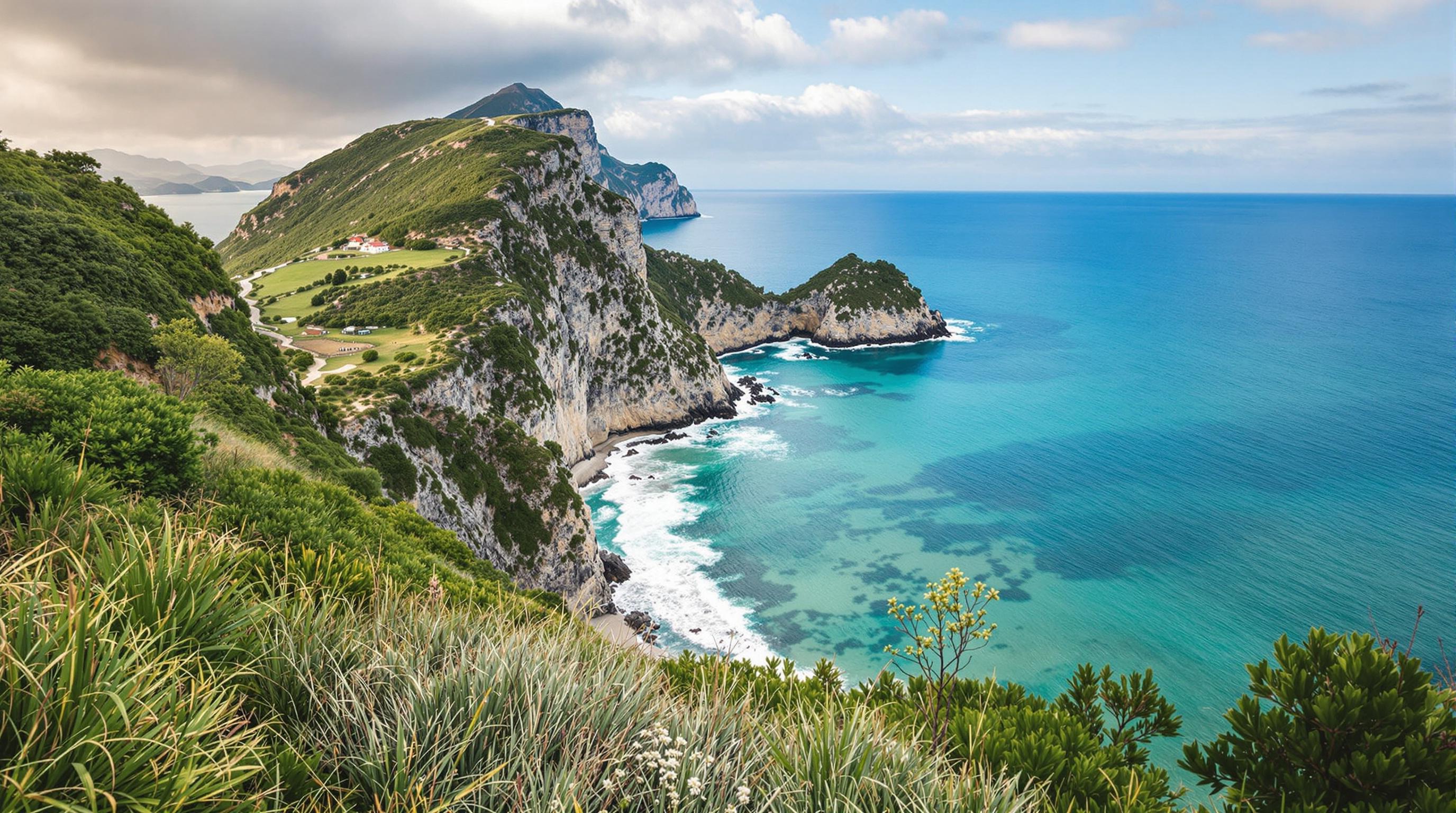
7 Unconventional Techniques for Travel Photography That Transform Ordinary Views into Extraordinary Visual Journeys
7 Unconventional Techniques for Travel Photography That Transform Ordinary Views into Extraordinary Visual Journeys
7 Unconventional Techniques for Travel Photography That Transform Ordinary Views into Extraordinary Visual Journeys
1. Embrace Negative Space
In the world of travel photography, filling the frame with subject matter is often the norm. However, embracing negative space can create powerful images that evoke emotion and a sense of solitude. By allowing areas of the composition to remain empty, you can emphasize the main subject and convey a deeper narrative. This technique invites viewers to engage their imagination and explore emotions tied to isolation or contemplation.
Consider a solitary figure standing on a windswept beach, dwarfed by vast skies and endless ocean. The negative space around them tells a story of longing, freedom, and the vastness of the world. It’s an invitation for the viewer to step into that moment, to breathe in the anticipation that the traveler feels, rather than merely observing the scene.
Imagery using negative space is memorable, urging the viewer to linger and ponder the emotions encapsulated in the photograph. It also encourages aspiring photographers to think creatively about their surroundings and how they can shift focus openly, transforming mundane settings into extraordinary landscapes.
2. Utilize Reflections Wisely
Reflections can add layers of intrigue and complexity to your travel photography. Rather than simply capturing a scene as it appears, you can use water, glass, or other reflective surfaces to create immersive images that challenge perspective and deepen context. This technique invites others to see not just the physical world but also the fantasies hidden within it.
A sunset mirrored on a calm lake can draw viewers into two worlds simultaneously—one above and one below, both alive with color and emotion. Using reflections draws attention to the interplay between the tangible and the ethereal, allowing for storytelling in ways that simple direct captures cannot achieve.
Remember to experiment with angles and light when capturing reflective surfaces. A slight adjustment in position can yield surprising results, turning a decluttered landscape into a visually rich discovery, capturing the essence of the travel experience in an unconventional light.
3. Play with Depth of Field
Shifting the depth of field can highlight certain elements in your travel photography while obscuring others. This artistic decision provides a unique way to guide the viewer’s gaze, often drawing attention to details that might otherwise fade into the background. By blurring distractions, you create a narrative focusing on what matters most to the scene.
A close-up of a vibrant local flower with a blurred market bustling behind it can evoke feelings of intimacy and connection with the culture. The viewer is not merely visiting a space; they’re experiencing the subtle interconnections that breathe life into it, allowing for a richer journey through your lens.
Experiment with both shallow and deep depth of field to balance the elements in your photographs. Sometimes, losing focus can reveal profound insights, transforming a simple snapshot into a dynamic portrayal of travel that immerses the audience in its depths.
4. Incorporate Movement and Motion Blur
Travel is inherently dynamic; capturing this sense of movement can breathe life into your images. Employing motion blur can convey the energy of a bustling city, the swaying of local dancers, or the graceful flight of birds against a sunset backdrop. This technique introduces a sense of time passing and the vibrant pulse of cultures.
For example, a long exposure of a rushing river amidst a lush landscape not only highlights the thrill of nature but can also create an emotive feeling of tranquility in the midst of chaos. This approach can encapsulate the joyful yet frenetic spirit of travel, turning the ordinary into extraordinary visual storytelling.
While using this technique, play with shutter speeds and stability to find the right balance. Capture movement that feels authentic to the moment; the juxtaposition of motion and stillness can evoke profound connections within the viewer, leading to a visual journey that lingers in their mind.
5. Get Creative with Framing
Framing can add depth and context to your travel photography, directing the viewer’s focus toward the subject. Instead of conventional uses of framing, seek out creative elements in your surroundings—such as archways, doorways, or even natural formations like tree branches—that can encapsulate your main subject. This method invites viewers to feel as if they’ve entered a portal to another world.
By intentionally framing the subject in unique ways, you can lead audiences to explore the juxtaposition between the inner and outer settings. Consider capturing a village through an ancient window, uniting the story of history with that of the present moment, allowing cultural layers to cascade into focus.
Framing is an often-overlooked aspect of composition that can elevate a standard photo into an extraordinary visual journey. Watch for opportunities to experiment, and you may find that everyday scenes reveal their own magic when seen through intriguing frames.
6. Capture Local Culture with Candid Shots
Creating genuine connections with local cultures through candid photography can be one of the most impactful techniques in travel photography. These unfiltered moments tell the real stories of people and places, conveying emotions that staged shots may not achieve. Candid photography requires patience, respect, and a keen eye for moments that unfold naturally.
Think about capturing a street vendor passionately preparing their food, a child playing in the streets, or people engaged in traditional dances. These images foster empathy and connection, inviting the viewer into the heart of a culture rather than just showcasing an exotic facade. It emphasizes the vibrancy, diversity, and spontaneity found in every corner of the world.
To achieve remarkable candid shots, take your time to observe and immerse yourself in the environment. Blend into the surroundings and let the moments unfold, allowing your camera to capture the storytelling essence of everyday life in a way that resonates deeply with viewers.
7. Experiment with Post-Processing Techniques
While some purists may argue against post-processing in photography, embracing software tools can enhance your travel images in ways that reflect the emotional resonance you experienced during the journey. Techniques such as color grading, selective focus adjustments, and textural enhancements can transform images into visual poetry—a canvas that mirrors the story held within.
For example, desaturating certain elements can evoke nostalgia or sadness while enhancing colors in others can elicit joy and wonder. This customization allows personal experiences and emotions to shine through, creating captivating visual journeys that extend beyond the lens.
However, moderation is key—experiment with subtle edits that maintain the authenticity of your images. The goal is to elevate the storytelling potential rather than overshadow the original moment. By embracing both your creative instincts and technical ability, you can turn ordinary photographs into extraordinary reflections of your unique travel narratives.
Read More