Related Articles
- Navigating Ethical Travel: The Role of Arts and Crafts in Supporting Local Economies and Cultures
- Rediscovering Ancestral Routes: How Ancient Trails Offer Insights into Sustainable Travel Practices
- The Ethical Dilemma of Luxury Travel: Splurging or Supporting Sustainable Development?
- Navigating Ethical Dilemmas: The Quest for Authenticity in Local Food Experiences While Traveling
- Beyond the Facade: Exploring the Subsurface Infrastructure of Iconic Historical Structures
- Curiosities Unearthed: The Surprising Connections Between Historic Sites and Modern Art Movements
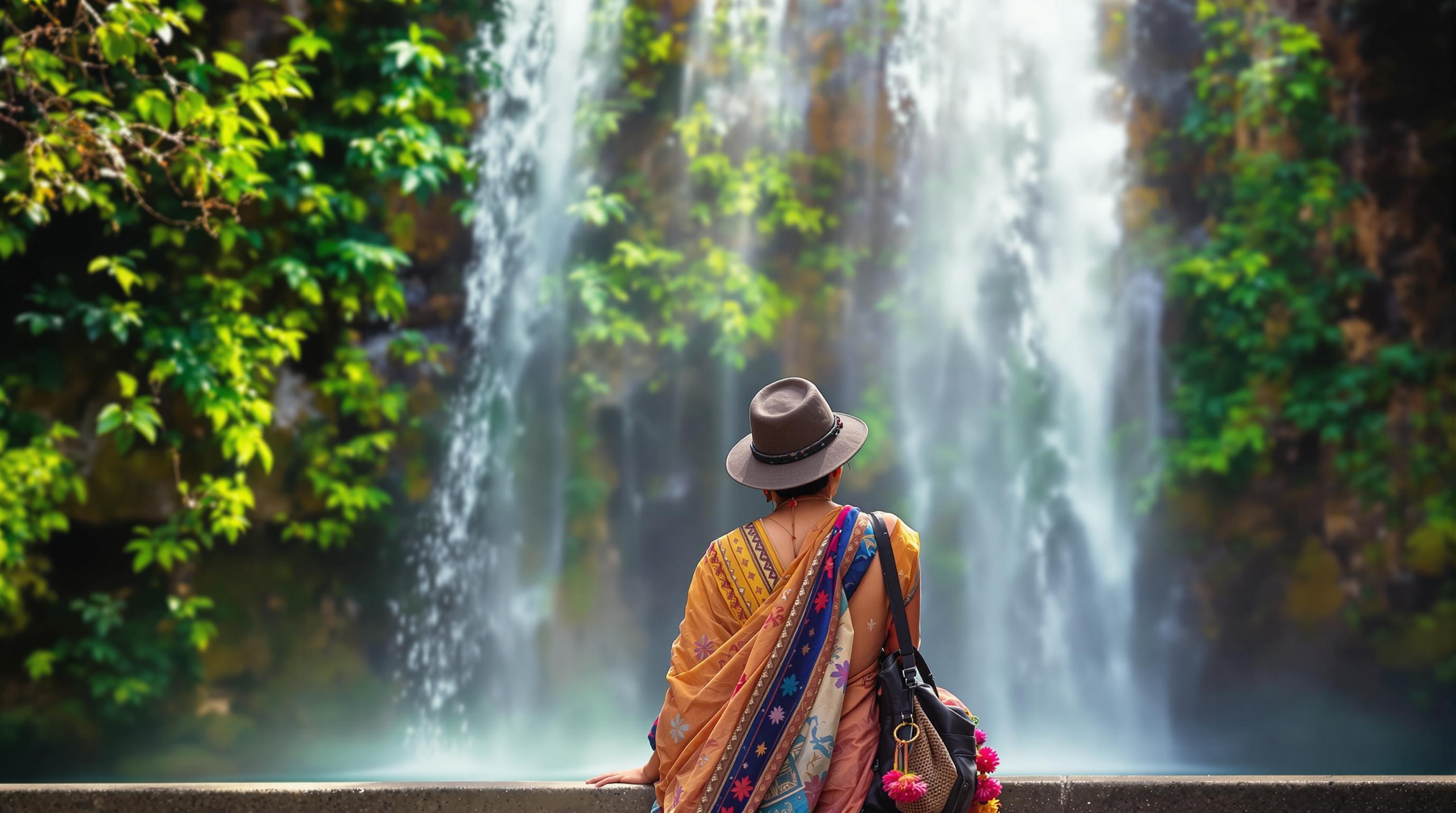
8 Hidden Travel Photography Tips to Master Light and Composition for Striking Cultural Visual Narratives
8 Hidden Travel Photography Tips to Master Light and Composition for Striking Cultural Visual Narratives
8 Hidden Travel Photography Tips to Master Light and Composition for Striking Cultural Visual Narratives
1. Understand the Golden Hour
The golden hour is often heralded as the most magical time for photography. This period occurs shortly after sunrise and just before sunset, when the light becomes warm and diffused, lending a dreamlike quality to the photos. During this time, shadows are soft, and colors in the landscape are enhanced, creating a fantastic backdrop for cultural storytelling.
To make the most of the golden hour, plan your outings according to sunrise and sunset times. Use mobile apps that provide these details, allowing you to scout locations in advance. When capturing people, position them in a way that the sunlight illuminates their faces, revealing emotions and cultural nuances.
Be patient and take multiple shots, experimenting with angles and compositions. Different vantage points can yield diverse outcomes; you might discover patterns or details in cultural artifacts that could narrate a story effectively.
2. Leverage Natural Reflectors
Light is a fundamental component of great photography, and using natural reflectors can transform a dull scene into something remarkable. Surfaces like water, sand, and even bright-colored walls can help bounce light and illuminate your subjects. This technique creates depth and dimension while enhancing textures, especially in cultural portraits.
To effectively utilize reflectors, keep an eye on the environment. When shooting near water bodies, observe how the reflections can enhance your composition. For urban landscapes, seek out brightly colored buildings to provide an artistic glow to your subject.
Experiment with adjusting your position relative to both your subject and the reflector. This can dramatically change the lighting and mood of your photos, often resulting in striking visual narratives reflective of local culture.
3. Use Leading Lines
Leading lines are powerful compositional tools that can guide viewers' eyes through your photographs. These lines often appear in architecture, streets, and nature, creating a pathway that draws attention to the main subject. Incorporating leading lines in your travel photography not only adds depth but also connects viewers with the cultural context.
When wandering through cultural sites, look for railings, paths, or any structural features that can serve as leading lines. Position your camera accordingly to draw the viewer's gaze toward the subject or the focal point of interest, like a local landmark or a person engaged in traditional activities.
Varying your angle can change the impact of leading lines significantly. A low angle can amplify the sense of scale, while a high vantage point may create a bird’s-eye view, which might highlight the connection between the people and their surroundings in the culture you are capturing.
4. Capture Cultural Textures
Cultural photography is rich with texture, from the fabrics of clothing to the intricacies of architecture. Textures tell a story and invite the viewer to explore the essence of a culture beyond mere visuals. Making textures a point of focus can elevate your images significantly.
When photographing cultural elements, choose a shallow depth of field to create a beautiful bokeh effect that isolates the texture. For example, shooting close-ups of a handcrafted artifact or a local dish highlights the artistry and craftsmanship inherent to the culture.
Moreover, incorporate a wider perspective to show how these textures interact with their environments. This multifaceted approach helps provide a deeper narrative about the cultural backdrop, enriching your travel photography portfolio.
5. Experiment with Framing
Framing is an essential compositional technique that enhances the focus on your subject, providing context through the surrounding elements. This approach can be especially beneficial in travel photography to blend cultural narratives with the environment. Employing natural frames such as doorways, arches, and branches helps integrate subjects seamlessly into their cultural context.
Look for opportunities to frame your subjects while scouting locations. The creativity of using framing can manifest in various ways: photographing a local through an archway or capturing a street festival within a sweeping tree branch enhances the sense of place.
Think about contrasting the framed subject with its background for a compelling juxtaposition. This visual tension can bring forth emotional responses, weaving a more profound cultural narrative in your photographs.
6. Master the Rule of Thirds
The Rule of Thirds is a foundational principle in photography that can drastically elevate your compositions. By dividing your frame into a 3x3 grid, you can position your subject along the intersecting lines or at the grid points for a balanced and engaging photograph. This technique encourages dynamic compositions that invite viewer interest.
When capturing cultural scenes, consider positioning your subject off-center. For instance, when photographing a bustling market, place the stall at one of the intersecting points, allowing the surrounding activity to complement the focal point. This leads to a richer narrative that captures the essence of local life.
As you gain confidence with the Rule of Thirds, you might find that intentionally breaking the rule can also yield exciting results. Experimentation is key; some cultural subjects may benefit from a centered composition, allowing their essence to shine through.
7. Evaluate Depth in Composition
Creating a sense of depth adds dimension to your travel photographs and makes them more engaging. By incorporating foreground, middle ground, and background elements in your composition, you can lead the viewer on a visual journey through the image, showcasing the scope of cultural landscapes.
To achieve depth, look for opportunities in busy locales where you can capture layers of activity. Include elements in the foreground that may show cultural markers, like local vendors, while also capturing the vibrancy of the crowd behind them. This multi-layered approach enriches your storytelling.
Utilizing techniques such as overlapping and varying focal lengths can also enhance perceived depth. A low-angle shot with close subjects can highlight their importance while giving context to the broader scene, effectively bringing cultural stories to life.
8. Embrace Storytelling Through Emotion
The most stirring photographs are often tied to emotional narratives. Emotional storytelling connects viewers to culture, allowing them to feel the pulse of the place through the lens. Capture the nuances of human expression, whether joyous or contemplative, to create a compelling cultural narrative.
Observing local interactions can provide insights into the cultural context. Be present and ready to capture candid moments—parents playing with children, artisans engrossed in their crafts, and participants in cultural festivities. These emotions transcend cultural boundaries, resonating with a wider audience.
Lastly, post-processing can enhance the emotional tone of your images. Adjusting contrast, colors, and sharpness helps reinforce the feeling you want to convey. Remember, every photograph is a piece of the larger story, so stay true to the emotional essence of the culture you are portraying.
Read More