Related Articles
- Navigating Ethical Travel: The Role of Arts and Crafts in Supporting Local Economies and Cultures
- Rediscovering Ancestral Routes: How Ancient Trails Offer Insights into Sustainable Travel Practices
- The Ethical Dilemma of Luxury Travel: Splurging or Supporting Sustainable Development?
- Navigating Ethical Dilemmas: The Quest for Authenticity in Local Food Experiences While Traveling
- Beyond the Facade: Exploring the Subsurface Infrastructure of Iconic Historical Structures
- Curiosities Unearthed: The Surprising Connections Between Historic Sites and Modern Art Movements
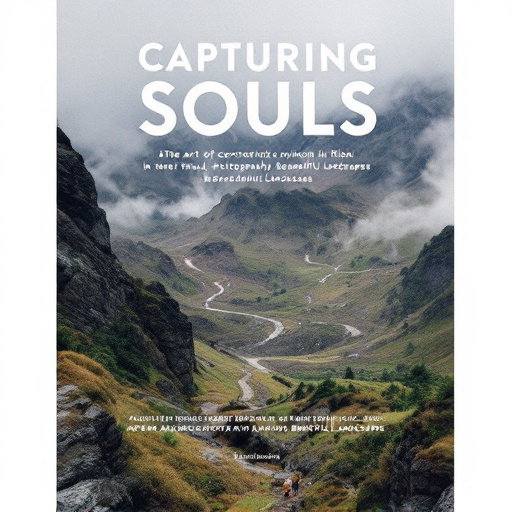
Capturing Souls: The Art of Evoking Emotion in Travel Photography Beyond Beautiful Landscapes
Capturing Souls: The Art of Evoking Emotion in Travel Photography Beyond Beautiful Landscapes
Travel photography transcends beautiful landscapes by capturing the emotions and stories of people and places alike. Through skillful techniques and an understanding of human connection, photographers can evoke feelings that resonate long after the picture is taken.
Why Emotion Matters in Travel Photography
Imagine scrolling through your travel feed and pausing at an image—not because of a majestic mountain or a pristine beach, but because of a weathered face, a joyous moment shared between strangers, or a child playing in a bustling street. The world is filled with breathtaking views, and yet, the images that tend to stick with us are often those that convey a deeper emotional story.
A Statistics-Driven Approach to Understanding Impact
In a study conducted by the National Geographic Society, it was found that photographs eliciting strong emotional responses can increase engagement by up to 70%. This isn’t just about aesthetics; it’s about the raw power of narrative. The emotions captured in a shot can enhance the viewer’s connection to the subject, invoking feelings of joy, nostalgia, or even sadness.
Case Study: The Power of Storytelling
Take, for instance, the work of renowned travel photographer Steve McCurry, best known for his iconic "Afghan Girl" photo. This image is not merely a beautiful portrait; it embodies a story of survival amidst adversity, drawing viewers into a complex world. When you see that photo, you don’t just see a girl with striking green eyes; you feel her hope, her struggles, and her resilience.
Practicing the Art of Observation
Before even picking up your camera, the first step to capturing emotions is learning to observe. Whether you are in the bustling markets of Marrakech or in a quiet village in Vietnam, take time to immerse yourself in the environment. Notice the little things—the interactions between locals, the laughter of children, and the quiet moments that often go unnoticed. As the famous photographer Henri Cartier-Bresson once said, “Your first 10,000 photographs are your worst.” It’s through observation and practice that you'll find those perfect moments waiting to be captured.
Building a Connection
When attempting to capture emotion, establishing a rapport with your subjects is crucial. This goes beyond asking a stranger for a photo—it’s about understanding their story and showing genuine interest. Before snapping the shot, engage them in conversation. Ask them about their lives, their hopes, or even their daily struggles. Often, this connection will translate into your photos, making them far more effective and poignant.
Experimenting with Composition
In travel photography, composition plays a significant role in conveying emotion. Instead of focusing solely on a wide landscape shot, consider framing your subject in a way that tells a story. For instance, using leading lines can guide the viewer’s eye to a person caught in reflection. According to a study published in the *Journal of Visual Communication and Image Representation*, well-composed photos elicit a stronger emotional response compared to poorly framed images. It’s all about creating a narrative through your composition.
Using Light and Shadow to Convey Emotion
Light is one of the most powerful elements in photography. Natural light has the ability to evoke different feelings based on the time of day or weather conditions. Early morning golden hour offers a soft, serene feel, whereas the harsher midday sun can create stark contrasts that evoke tension. Experimenting with shadows can add a layer of depth to your photos, making them visually compelling.
Humor in Travel Photography: Finding Joy
Not all emotional connections need to be serious or somber. Sometimes, humor can bridge gaps and allow for a deeper connection. Capturing quirky signs, amusing encounters, or the silly antics of travelers adds a light-hearted flair to your portfolio. Antonio Banderas once joked, “The only time I feel like a photographer in Spain is when I am doing high art or low art.” Finding a balance between the profound and the playful can lead to an engaging visual experience.
The Technique of Candid Shots
Candid photography can be one of the most potent ways to evoke emotion. Instead of staging a picture, allow life to unfold naturally around you. These spontaneous moments often capture genuine emotions, whether it's laughter, surprise, or contemplation. A study from *Psychological Science* found that viewers prefer the authenticity found in candid shots over posed pictures, as they are able to empathize more closely with the subjects.
Embracing Cultural Stories
Travel is often defined by cultural exchange. Each destination has its own customs, traditions, and stories, which can be beautifully documented through photography. For instance, capturing the Diwali festival in India with vibrant colors and expressions of joy tells a story of celebration and culture. When photographers take the time to understand these elements, their images begin to tell a story that transcends mere visuals.
Lessons from a Young Photographer
At just 21, I discovered the thrill of travel photography during a summer backpacking trip across Europe. Armed with a budget camera, I made it my mission to capture more than just the iconic landmarks. I focused on street performers in Rome, market scenes in Athens, and the warmth of a stranger’s smile in Paris. It was through these experiences that I learned the true essence of capturing souls is about creating a visual narrative that resonates with personal stories.
Editing: The Final Touch
Editing is an integral part of photography that can enhance the emotions in your images. The right adjustments in contrast, saturation, and sharpness can bring a photo to life, stressing the emotional undertone you wish to convey. For example, boosting the warmth in an image taken during golden hour can evoke nostalgia, while cooler tones can emphasize loneliness or isolation. Remember that editing should complement the story you’re trying to tell, rather than distract from it.
Social Media: A Double-Edged Sword
In today’s digitized age, social media significantly impacts travel photography, often elevating the perfect sunset photo over authentic moments. While platforms like Instagram offer an audience to share your art, they can inadvertently foster a culture focused on superficial beauty. Statistics reveal that 57% of young travelers feel pressured to curate perfect travel images for social media rather than enjoy the moment (Travel + Leisure). As a photographer, strive to showcase moments that resonate on a deeper level rather than merely chasing likes.
Real-Life Examples of Emotional Photography
The iconic image of a man standing in front of a tank in Tiananmen Square symbolizes peace and bravery in the face of oppression. Similarly, the photo of the shelter dog, once a stray but now joyful and loved, captures the essence of hope and redemption. These images often become symbols of broader movements and showcase the world's emotional narratives in a single frame.
Final Thoughts: Embrace Your Unique Perspective
Capturing soul-stirring moments requires practice, empathy, and a willingness to engage with the world around you. Don’t just aim to collect photographs; aim to collect stories, emotions, and experiences. As you venture into your next travel destination, remember to look beyond the landscapes and seek the soul that makes the place unique. After all, travel isn't just about where you go, but the emotions and connections you create along the way.
Read More