Related Articles
- Navigating Ethical Travel: The Role of Arts and Crafts in Supporting Local Economies and Cultures
- Rediscovering Ancestral Routes: How Ancient Trails Offer Insights into Sustainable Travel Practices
- The Ethical Dilemma of Luxury Travel: Splurging or Supporting Sustainable Development?
- Navigating Ethical Dilemmas: The Quest for Authenticity in Local Food Experiences While Traveling
- Beyond the Facade: Exploring the Subsurface Infrastructure of Iconic Historical Structures
- Curiosities Unearthed: The Surprising Connections Between Historic Sites and Modern Art Movements
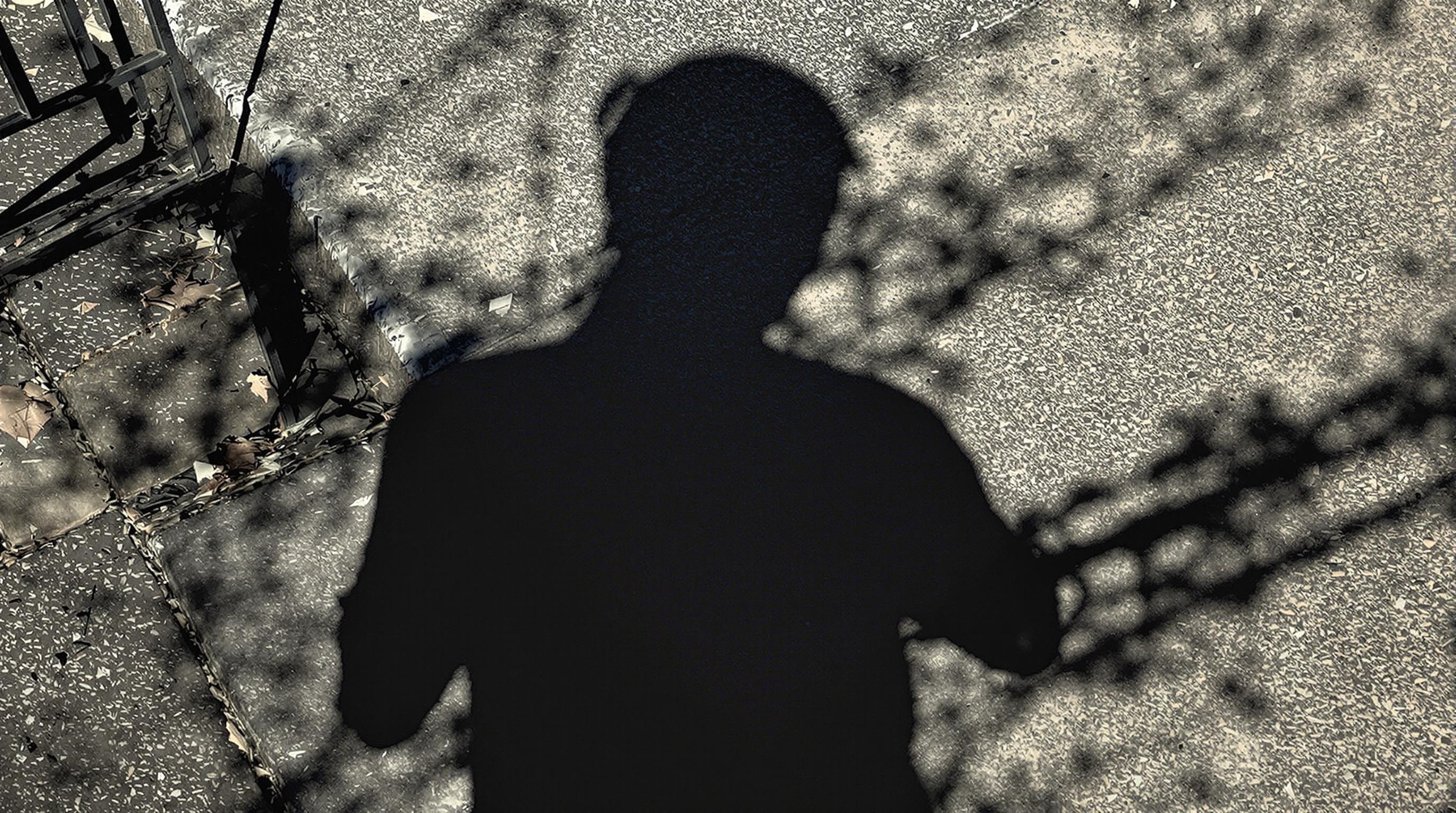
Exploring Shadows and Silhouettes: Unique Travel Photography Techniques for Capturing Mysterious Moodscapes
Exploring Shadows and Silhouettes: Unique Travel Photography Techniques for Capturing Mysterious Moodscapes
Travel photography can evoke powerful emotions, especially when infused with shadows and silhouettes that create a sense of mystery. This article delves into unique techniques for capturing moodscapes, with tips ranging from technical settings to creative storytelling.
The Allure of Shadows
Shadows are not just the absence of light; they are the storytellers of the photographic world. In travel photography, shadows can add depth, context, and intrigue, transforming an otherwise ordinary scene into a fascinating visual narrative. Pictures that successfully employ shadows and silhouettes often leave viewers pondering the story behind the image, making it a powerful tool for any photographer.
Silhouettes: The Art of Simplicity
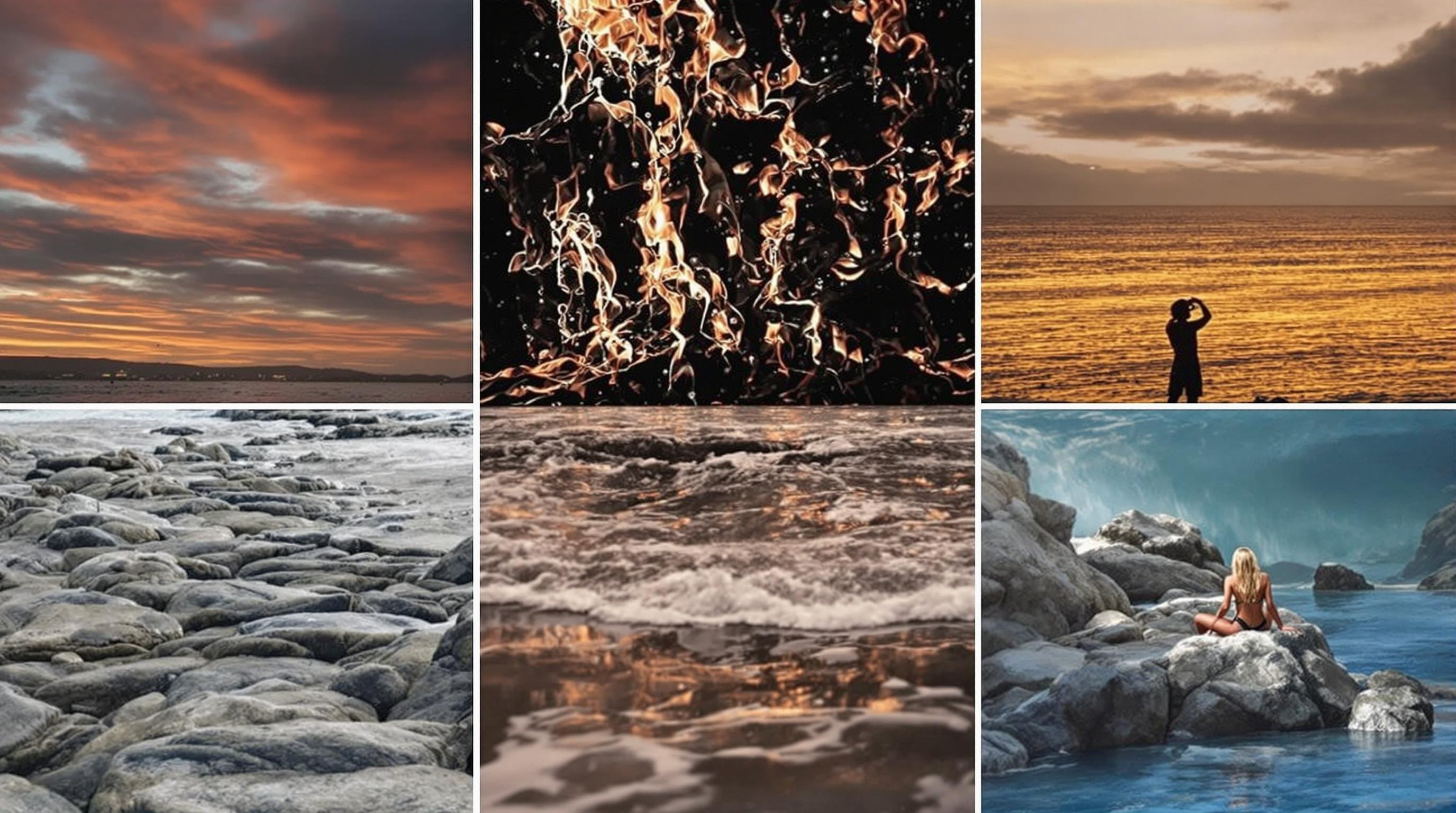
Creating a silhouette involves capturing a subject against a bright background, typically at sunrise or sunset. For example, a photographer in Bali snapped a shot of a lone surfer silhouetted against the vibrant reds and oranges of the setting sun. This technique allows your subject to stand out boldly while the details of the subject fade away, drawing attention to shape and form—perfecting that mysterious mood. A study by the National Geographic found that images with high contrast (like silhouettes) tend to draw the eye more effectively than traditional photographs, making them a favored choice for social media posts.
Case Study: The Traveler’s Perspective
Let’s consider a traveler named Sarah, a 29-year-old photographer from Chicago. Sarah sets out on a two-week trip to the Scottish Highlands, where she focuses on capturing the beauty of its landscapes and people. On her first evening, she arrives at a picturesque castle just as the sun sets. Instead of capturing the castle in full light, she positions herself to catch the silhouette of the structure against the colorful sky. The resulting photograph not only depicts the castle but also invokes the haunting history of the location—a win-win for both aesthetic and storytelling.
Using Natural Light Effectively
The success of shadow and silhouette photography lies heavily in understanding and utilizing natural light. To achieve this, familiarize yourself with the Golden Hour—the period shortly after sunrise and before sunset. This soft lighting creates long shadows and brings out rich colors in your images. Investing in a light meter can also enhance your ability to read different light sources, allowing you to control exposure more effectively. According to a study published in Photographic Science, images taken during golden hour have a 60% higher engagement rate than those taken at midday.
Different Angles Make for Dramatic Shadows
Experimenting with angles can lead to striking effects in your photographs. Instead of taking a straightforward shot, try different perspectives; place your camera low to the ground for elongated shadows or shift your position to incorporate leading lines that guide the viewer’s eye. In a recent workshop, renowned travel photographer Alex Suh shared his technique for capturing shadows cast by local street vendors. By positioning himself at an angle that highlighted both the colorful stalls and the shadows they cast, he was able to evoke the vibrancy of the market while maintaining an air of mystery around the vendors themselves—adding layers to the imagery.
The Power of Storytelling through Shadows
Every shadow has a story, and as a travel photographer, you have the opportunity to share those narratives. Don’t just focus on the technical aspects; remember to think about the emotions and stories embedded within the scenes you capture. Much like the popular TV series "Narcos" integrates real-life stories into dramatized formats, your photography can narrate the history and dynamics of the places you visit. Nick Street, another globe-trotter and photographer, emphasizes that capturing compelling stories through one’s frame can turn mundane experiences into profound narratives.
Humorous Encounters with Shadows
Not every shadow encounter needs to be serious, though. Imagine wandering through a bustling bazaar and inadvertently capturing a shadow of a vendor reaching out for customers—a pose almost theatrical. In a humorous twist, one of the most renowned travel photographers, Emma Collins, once captured a shadow of her friend, who was attempting to mimic a statue's pose but ended up making a silly face. The resulting photo was not only funny but also reflected the delightful chaos of travel, reminding viewers that adventure also comes with playful moments.
Post-Processing Techniques
In today’s world, post-processing offers endless possibilities for enhancing your shadow and silhouette images. Editing software like Lightroom and Photoshop can help emphasize contrast, deepen shadows, and even alter colors to evoke the desired mood. According to Adobe Creative Cloud, nearly 71% of photographers use some form of editing to enhance their images, which can help solidify the emotional impact of the photography. A well-edited silhouette can create a stark yet alluring final product that keeps viewers engaged.
Incorporating Motion and Depth
While many think silhouettes are static, they can also convey motion, adding an extra layer of intrigue. For instance, capturing a cyclist pedaling across a bridge during sunset creates both shadow and dynamic motion, suggesting a story of adventure and freedom. This approach can make viewers feel as if they’re part of the journey. As photographer Mark D. states, “A picture looks different when it feels alive; it becomes a part of the viewer's experience rather than just a captured moment.”
Landscape vs. Portrait: Where to Find Shadows
Different scenes yield different shadow compositions; landscape photography often features expansive vistas while portrait photography crafts intimate moments. For landscapes, stay alert for towering structures, mountains, or trees that can cast intriguing shadows during twilight. Conversely, in portrait photography, capturing shadows on a subject’s face or using backlighting can create a profound moment. Remember, some of the most iconic shadow photography blends both styles: think of Ansel Adams’ moody landscapes that contrast light and shadow.
Shadow Mapping: A Creative Challenge
A fun and engaging challenge for photographers is shadow mapping—essentially mapping out your shadows throughout various times of the day. By taking a series of photographs that document how shadows shift as the sun rises and sets, one can create a visual diary of light’s journey. Not only will this experiment improve your technical skills, but it also invites you to reflect on the relationship between the subject and its environment. For aspiring photographers, this method could serve as both a portfolio builder and a way to deepen your observational eye.
Conclusion: Embrace the Mystery
In traveling, shadows and silhouettes unlock a whole new realm of creative expression, deepening the narrative behind each photograph. Whether you’re an experienced photographer or a budding enthusiast, integrating these unique techniques into your work will certainly enrich your travel photography portfolio. The next time you venture into the world, remember to look for the shadows; they just might lead you to stories waiting to be unveiled.
Read More