Related Articles
- Navigating Ethical Travel: The Role of Arts and Crafts in Supporting Local Economies and Cultures
- Rediscovering Ancestral Routes: How Ancient Trails Offer Insights into Sustainable Travel Practices
- The Ethical Dilemma of Luxury Travel: Splurging or Supporting Sustainable Development?
- Navigating Ethical Dilemmas: The Quest for Authenticity in Local Food Experiences While Traveling
- Beyond the Facade: Exploring the Subsurface Infrastructure of Iconic Historical Structures
- Curiosities Unearthed: The Surprising Connections Between Historic Sites and Modern Art Movements
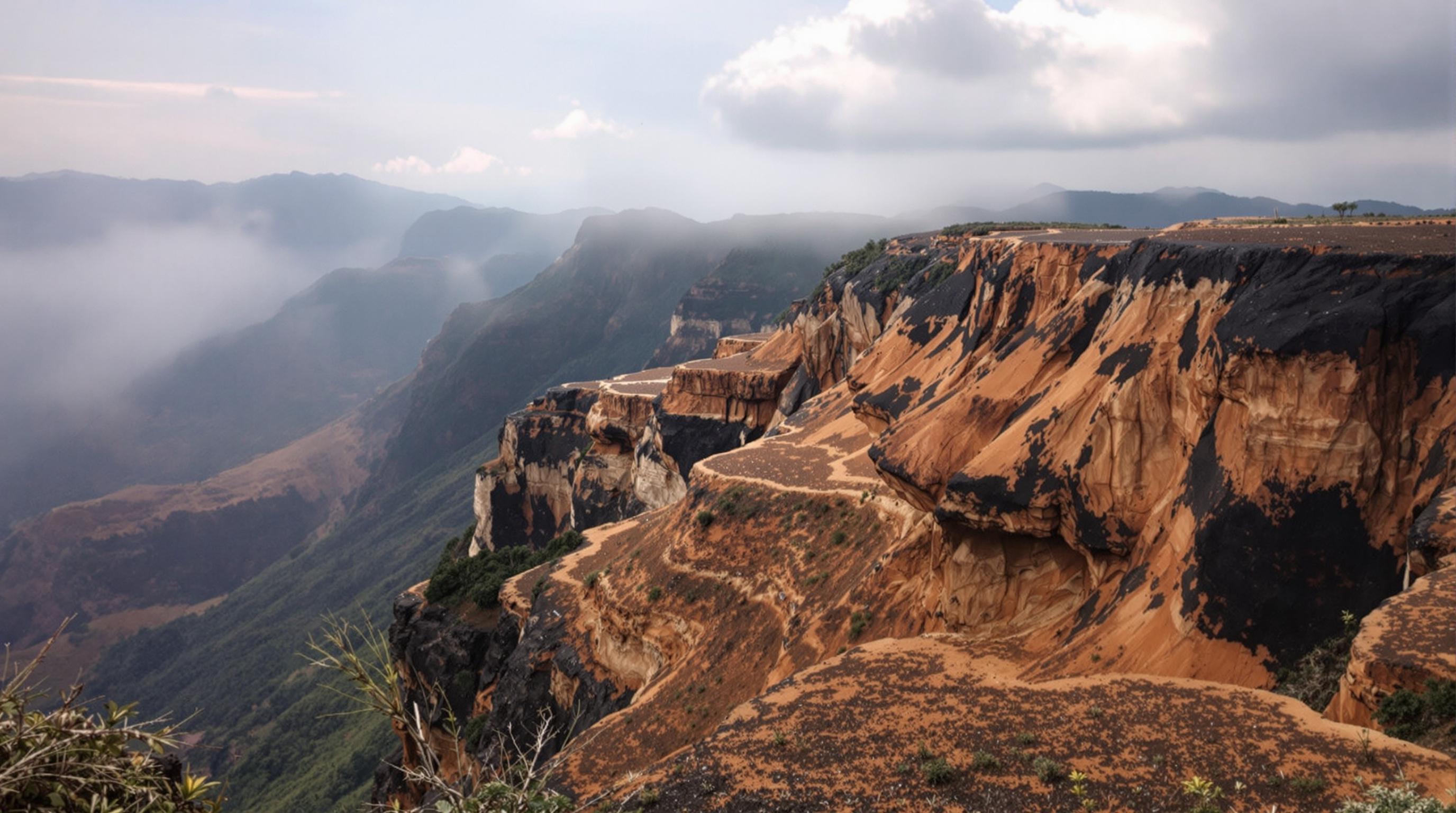
12 Enigmatic Habitats: Exploring the Untold Stories of Species Thriving on the Edge of Human Expansion
12 Enigmatic Habitats: Exploring the Untold Stories of Species Thriving on the Edge of Human Expansion
12 Enigmatic Habitats: Exploring the Untold Stories of Species Thriving on the Edge of Human Expansion
The Urban Jungle
As cities grow, they often swallow up natural habitats, but some species adapt and thrive in urban environments. These urban jungles become havens for wildlife, from pigeons to raccoons, showcasing nature's resilience. Such adaptability raises questions about how these species interact with urban infrastructure and their fellow inhabitants.
Research indicates that urban green spaces, such as parks and community gardens, play a crucial role in supporting biodiversity. These small oases provide essential resources for various species, including insects, birds, and mammals. For example, a study by the University of California found that urban parks did not just provide refuge but also enhanced the population of native bird species.
Exploring these urban habitats offers a unique insight into human-wildlife coexistence. As cities continue to evolve, understanding the dynamics of this relationship will be vital for conservation efforts and urban planning. How we integrate nature will define the future of urban ecosystems.
Coastal Mangroves
Coastal mangrove forests are tropical ecosystems that serve as vital breeding grounds for a myriad of marine life. They provide an interface between land and sea, offering shelter to juvenile fish species and serving as nurseries. Despite their ecological importance, mangroves are among the most threatened habitats globally.
The mangrove ecosystem is essential not only for species survival but also for coastal protection. These trees absorb storm surges and filter pollutants, making them crucial in combatting climate change and protecting coastlines from erosion. A report from the World Bank indicates that restoring mangrove habitats could reduce the impacts of natural disasters significantly.
However, human expansion often leads to mangrove deforestation for agriculture and urban development. Protecting these ecosystems requires a multifaceted approach, including policy reform and community engagement. Failure to do so risks losing not just the mangroves themselves but the myriad species that rely on them.
Mountain Peaks
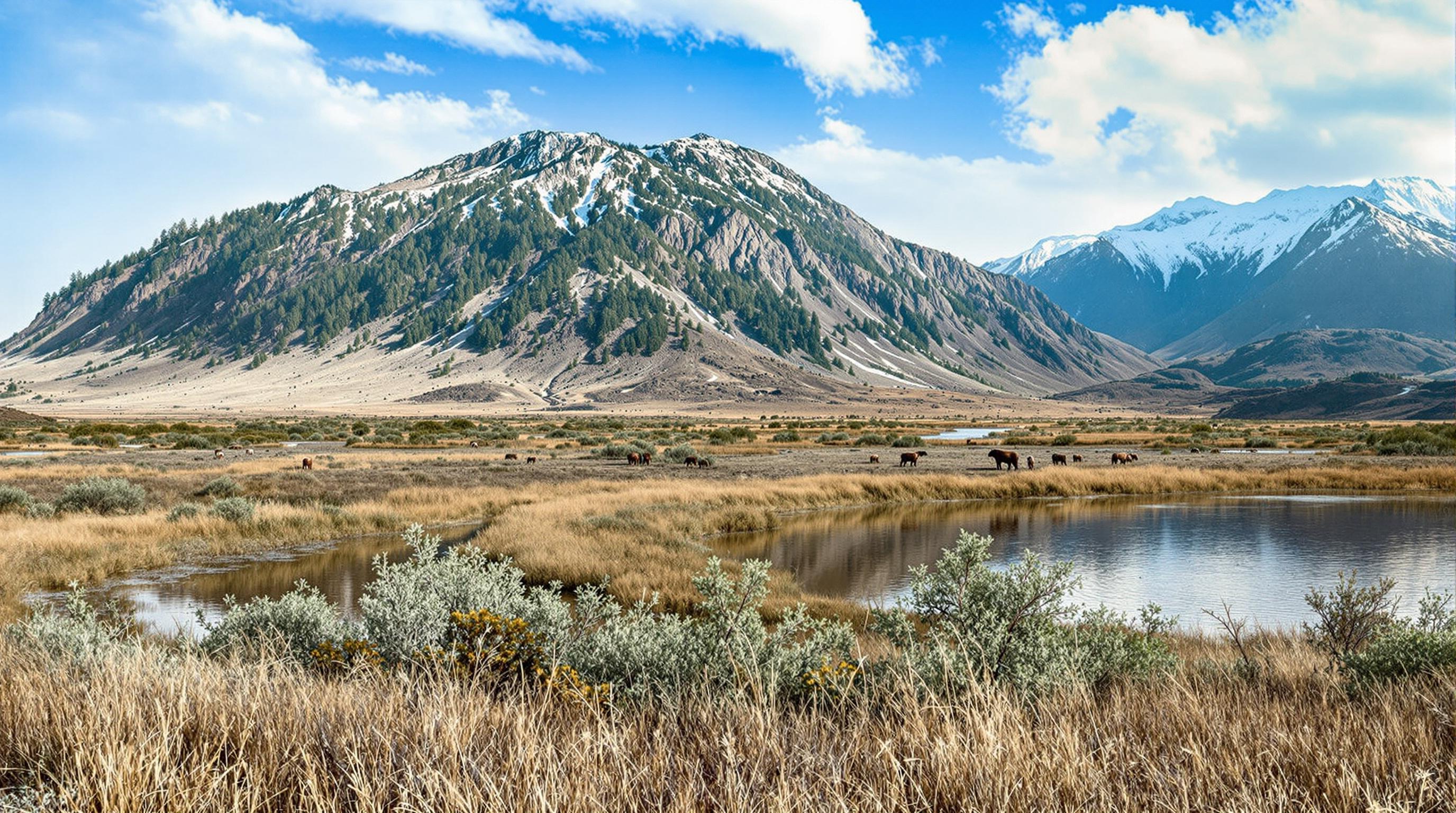
High-altitude habitats present some of the harshest conditions for survival. Yet, species such as the snow leopard and Himalayan tahr have adapted to thrive in these extreme environments. These creatures provide insights into how life can exist on the fringes of our planet.
Research into mountainous ecosystems shows how climate change affects altitude-specific species. As temperatures rise, some organisms may be forced to migrate upwards, where conditions can become even more unforgiving. The International Union for Conservation of Nature (IUCN) warns that many species may not adapt quickly enough, potentially leading to extinction.
Protecting mountain habitats is essential for preserving not just the unique species but also the cultural and ecological heritage of these regions. Initiatives to establish protected areas and promote sustainable tourism can help secure the future of these fragile ecosystems, offering a chance for species to flourish.
Deserts
Deserts, often viewed as barren wastelands, host a surprising diversity of life. From the fennec fox to the saguaro cactus, species in arid environments have evolved remarkable adaptations to survive. These adaptations are a testament to nature's ingenuity in the face of adversity.
Despite their harsh realities, desert habitats provide vital services, such as carbon storage and groundwater recharge. A study by the Desert Research Institute emphasized how deserts contribute to the overall health of our ecosystem, countering the misconception that they are devoid of life.
Human expansion puts immense pressure on desert ecosystems, leading to habitat degradation and water scarcity. Sustainable practices, such as water conservation and habitat restoration, are essential for preserving these unique landscapes. Understanding the delicate balance of life in deserts is critical for safeguarding their future.
Island Ecosystems
Islands represent microcosms of biodiversity, often hosting species found nowhere else on Earth. The sea surrounds them, providing both isolation and unique evolutionary pathways. This leads to fascinating species adaptations, some astonishingly specialized to their restricted environments.
However, island ecosystems are particularly vulnerable to human activities. The introduction of invasive species, habitat destruction, and climate change threaten these fragile communities. The Global Biodiversity Outlook emphasized that many island species face extinction unless protective measures are implemented.
Conservation efforts on islands typically involve restoring native flora and fauna and controlling invasive species. By focusing on these targeted strategies, we can help preserve their unique biodiversity and the irreplaceable roles these species play in our global ecosystem.
Wetlands
Wetlands are among the most productive ecosystems on the planet, serving as crucial habitats for migratory birds and numerous aquatic species. These areas act as natural filtration systems, improving water quality and providing flood protection. Their multifunctionality illustrates their significance in maintaining ecological balance.
The loss of wetland habitats due to urbanization, agriculture, and climate change poses a serious threat to biodiversity. According to the U.S. Fish and Wildlife Service, wetland loss has reached alarming rates, resulting in habitat fragmentation and species decline.
Restoration and conservation of wetlands are critical for enhancing biodiversity and improving water security. Community involvement in these initiatives can lead to successful outcomes, ensuring that wetlands continue to thrive as biodiversity hotspots on the edge of human expansion.
Caves
Cave ecosystems are as enigmatic as they are essential. Home to various unique species, including bats and blind fish, caves provide a specialized environment that has adapted to minimal light and limited resources. These species often serve key roles in their ecosystems, such as pollination or seed dispersal.
However, human exploration and tourism threaten the delicate balance of cave ecosystems. Disturbances caused by human activity can disrupt the delicate relationships that sustain these subsurface habitats. Research indicates that even slight changes in temperature and humidity can have cascading effects on cave-dwelling species.
Conservation strategies that focus on minimizing human impact are essential. By promoting responsible tourism and protecting these hidden ecosystems, we can ensure that the species thriving within caves continue to exist and inspire awe for generations to come.
Grasslands
Grasslands are dynamic ecosystems characterized by wide open spaces filled with grasses and few trees. They provide critical habitats for many species of birds, mammals, and insects, each playing its role in the ecological tapestry. These habitats are also significant carbon sinks, aiding in climate regulation.
Many grassland species, including pronghorns and various bird species, are facing increasing threats from agriculture and urban development. The loss of these habitats leads to a decline in biodiversity, which can have far-reaching ecological consequences. A report by the Nature Conservancy highlights the urgent need for grassland restoration.
Engaging landowners in conservation efforts and promoting sustainable land-use practices are crucial for the survival of grasslands and their inhabitants. By balancing human needs with ecological preservation, we can help maintain these vital habitats on the frontier of human expansion.
Forests at the Urban Periphery
Forests bordering urban areas serve as critical buffers between human-dominated landscapes and natural ecosystems. They provide essential habitats for wildlife and act as carbon sinks, absorbing CO2 emissions from urban activities. These forests play a significant role in mitigating climate change and providing clean air.
The encroachment of urbanization threatens these forested areas, leading to habitat fragmentation. Many species, from deer to songbirds, rely on these transitional zones for survival. A loss of these forests can lead to decreased biodiversity and disrupt local ecosystems.
Conservation efforts that focus on protecting these "edge" forests are vital. Collaborations between urban planners and conservationists can lead to sustainable solutions that allow for responsible development while ensuring the survival of vital habitats on the cusp of human expansion.
Suburban Backyards
Suburban backyards have evolved into unintentional habitats, providing refuge for diverse wildlife, including birds, bees, and butterflies. These small patches of green serve as essential corridors for many species, acting as bridges between larger ecosystems and urban landscapes.
The presence of native plants and sustainable landscaping in suburban areas can significantly enhance biodiversity. A University of Maryland study found that residential areas with native flora support twice as many species compared to those with non-native plants, demonstrating the potential for individual action in conservation.
Engaging suburban communities in wildlife-friendly gardening can help mitigate the impacts of urban sprawl. By cultivating appreciation for local biodiversity, homeowners can play an active role in enhancing these ecosystems at the edge of human expansion.
Read More