Related Articles
- Navigating Ethical Travel: The Role of Arts and Crafts in Supporting Local Economies and Cultures
- Rediscovering Ancestral Routes: How Ancient Trails Offer Insights into Sustainable Travel Practices
- The Ethical Dilemma of Luxury Travel: Splurging or Supporting Sustainable Development?
- Navigating Ethical Dilemmas: The Quest for Authenticity in Local Food Experiences While Traveling
- Beyond the Facade: Exploring the Subsurface Infrastructure of Iconic Historical Structures
- Curiosities Unearthed: The Surprising Connections Between Historic Sites and Modern Art Movements
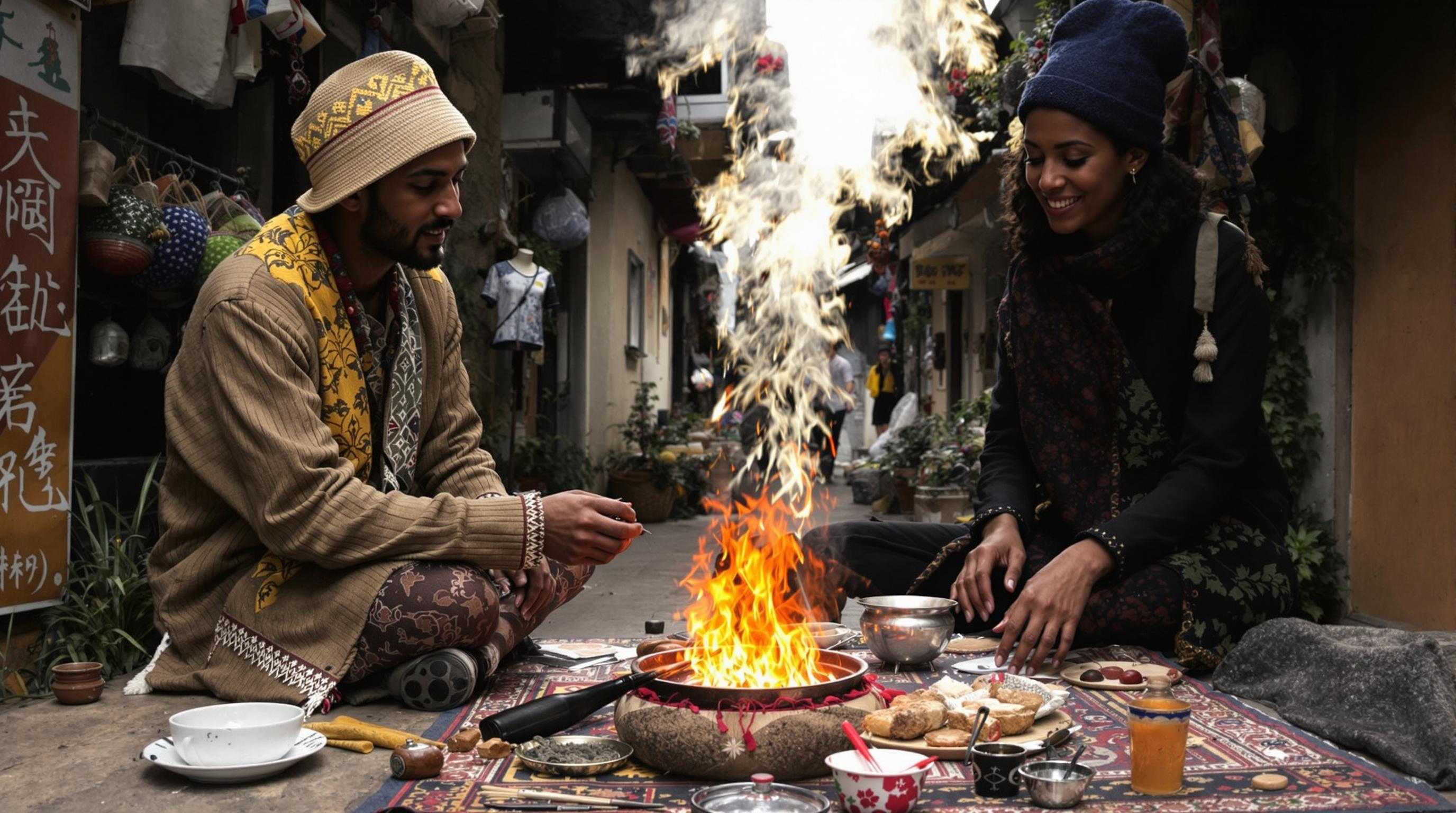
Cultural Alchemy: 8 Unexpected Ways Folklore Shapes Global Dialogues and Transforms Community Bonds
Cultural Alchemy: 8 Unexpected Ways Folklore Shapes Global Dialogues and Transforms Community Bonds
Cultural Alchemy: 8 Unexpected Ways Folklore Shapes Global Dialogues and Transforms Community Bonds
1. The Role of Storytelling in Cultural Identity
Folklore serves as a repository of cultural identities and collective memories, connecting individuals to their heritage. Through storytelling, communities pass down values, customs, and traditions that define their identity. This oral tradition fosters a sense of belonging and helps to bridge generational gaps.
Scholars argue that storytelling is essential in affirming community identity, especially among diasporic populations. For instance, a study by the National Storytelling Network highlights how immigrant communities utilize folklore to maintain cultural ties, demonstrating the resilience of their narratives in shaping identity (National Storytelling Network, 2021).
By engaging with their past, members of a community can communicate shared experiences and struggles, thereby enhancing their unity. The process of storytelling not only preserves history but also adapts its meaning to contemporary issues, reinforcing cultural identity through time.
2. Folklore as a Medium for Political Expression
Folklore often serves as a powerful tool for political expression and social activism. Artists, musicians, and writers frequently draw upon folklore to critique current socio-political issues. Folk tales and songs that use allegories can subtly address injustices that affect a community.
Take, for instance, the role of folk music during the Civil Rights Movement in the United States. Artists like Pete Seeger and Woody Guthrie incorporated folklore into their repertoires to inspire activism and mobilize communities. Their songs resonated deeply with the struggles faced by marginalized populations, demonstrating folklore's ability to raise political consciousness.
Moreover, contemporary movements often employ folklore as a means to communicate their messages across borders. Traditions from one culture can influence movements in another, allowing folklore to bond disparate communities through shared values and aspirations, as noted by cultural historians (Johnson, 2019).
3. The Impact of Folklore on Cognitive Dissonance
Folklore has the unique ability to act as a mechanism for cognitive dissonance, enabling individuals to reconcile conflicting beliefs and experiences. By presenting familiar narratives that reflect moral dilemmas or societal conflicts, folklore can aid individuals in navigating their complex realities.
Many cultures utilize folklore to instill ethical lessons, thereby guiding personal reflection and societal norms. For instance, the fables of Aesop provide moral lessons that challenge readers to consider their actions and beliefs. This tradition contributes to the dialogue surrounding ethics while allowing for cultural adaptation.
As such, folklore can facilitate dialogue among community members who may hold differing views. Through shared stories related to common challenges, individuals can engage in constructive conversations that promote understanding and foster a sense of community, creating a collective cognitive bridge.
4. Folklore’s Role in Conflict Resolution
The narratives found in folklore can play a significant role in conflict resolution within communities. By fostering empathy and shared understanding, folklore can provide a platform for dialogue between conflicting parties. This sense of connection often emerges from shared cultural narratives and histories.
For instance, traditional peace-making rituals in various cultures incorporate storytelling to mediate disputes. These narratives can remind parties of common values and histories, helping to de-escalate tensions. In post-conflict societies, like Rwanda and South Africa, storytelling has been leveraged to facilitate reconciliation and promote healing among divided groups.
Such strategies underscore folklore's power in facilitating dialogues that lead to transformation and unity. When community members engage with these narratives, they often find pathways to empathy, allowing them to transcend their immediate conflicts and embrace a more collective identity.
5. Folklore in Digital Spaces
In our increasingly digital world, folklore has found new avenues for expression and adaptation through social media and the internet. Digital platforms enable communities to share their stories, fostering global dialogues that break geographical barriers. This shift challenges traditional notions of folklore as exclusively oral.
Online platforms, such as YouTube and TikTok, have seen users share folk stories or adaptations that resonate with contemporary issues. For example, viral folklore videos often reinterpret traditional tales to reflect current societal challenges, allowing for broader relevance and community engagement in a global discourse.
This transformation creates hybrid forms of folklore that reflect diverse influences and encourage dialogue across cultures. Digital folklore thus acts as a catalyst for cultural exchange and understanding, allowing for a more interconnected global narrative landscape.
6. The Symbiotic Relationship Between Folklore and Tourism
Folklore significantly impacts local economies through tourism, where traditional stories and practices are showcased for visitors. This relationship enhances community pride while fostering intercultural dialogue. Through such engagements, tourists gain insights into the global tapestry of cultures.
For example, cultural festivals celebrate local folklore, attracting visitors and encouraging cultural exchange. Events like the Edinburgh Folk Festival not only boost local economies but also enable participants to experience and appreciate diverse cultural expressions. This interaction can promote greater understanding between cultures.
However, the commercialization of folklore can be a double-edged sword. While it provides economic benefits and raises awareness, it risks distorting narratives. Communities must find a balance to ensure that their cultural expressions retain authenticity while engaging with a global audience.
7. Folklore as a Tool for Education
Folklore can serve a pivotal role in educational settings, promoting cultural literacy and critical thinking. Incorporating localized narratives into curricula enriches students' understanding of history, values, and social issues. By using folklore, educators can present complex concepts in a more relatable manner.
Studies indicate that culturally relevant pedagogy, which includes folklore, enhances learning outcomes. Through storytelling, students can grasp the historical context and ethical implications of different narratives, fostering empathy and critical inquiry (Ladson-Billings, 1994).
Furthermore, folklore encourages collaborative learning, as students often share their own cultural narratives. This not only creates a diverse learning environment but also strengthens community ties among students, illustrating folklore's capacity to build connections through education.
8. The Evolution of Folklore in the Age of Globalization
Globalization has transformed the landscape of folklore, facilitating the exchange and fusion of cultural narratives. This dynamic fosters new forms of expression that reflect a hybridization of traditional and contemporary elements, offering communities opportunities to innovate while remaining rooted in their heritage.
The incorporation of global elements into local folklore can result in exciting new narratives that resonate with a wider audience. Collaborative storytelling initiatives across cultures have led to the creation of unique forms that reflect shared human experiences while respecting distinct cultural identities.
However, the blending of folklore must be approached with sensitivity. Issues of cultural appropriation and authenticity necessitate dialogue among communities to ensure that folklore evolves in a way that honors its origins while embracing new influences.
Read More