Related Articles
- Navigating Ethical Travel: The Role of Arts and Crafts in Supporting Local Economies and Cultures
- Rediscovering Ancestral Routes: How Ancient Trails Offer Insights into Sustainable Travel Practices
- The Ethical Dilemma of Luxury Travel: Splurging or Supporting Sustainable Development?
- Navigating Ethical Dilemmas: The Quest for Authenticity in Local Food Experiences While Traveling
- Beyond the Facade: Exploring the Subsurface Infrastructure of Iconic Historical Structures
- Curiosities Unearthed: The Surprising Connections Between Historic Sites and Modern Art Movements
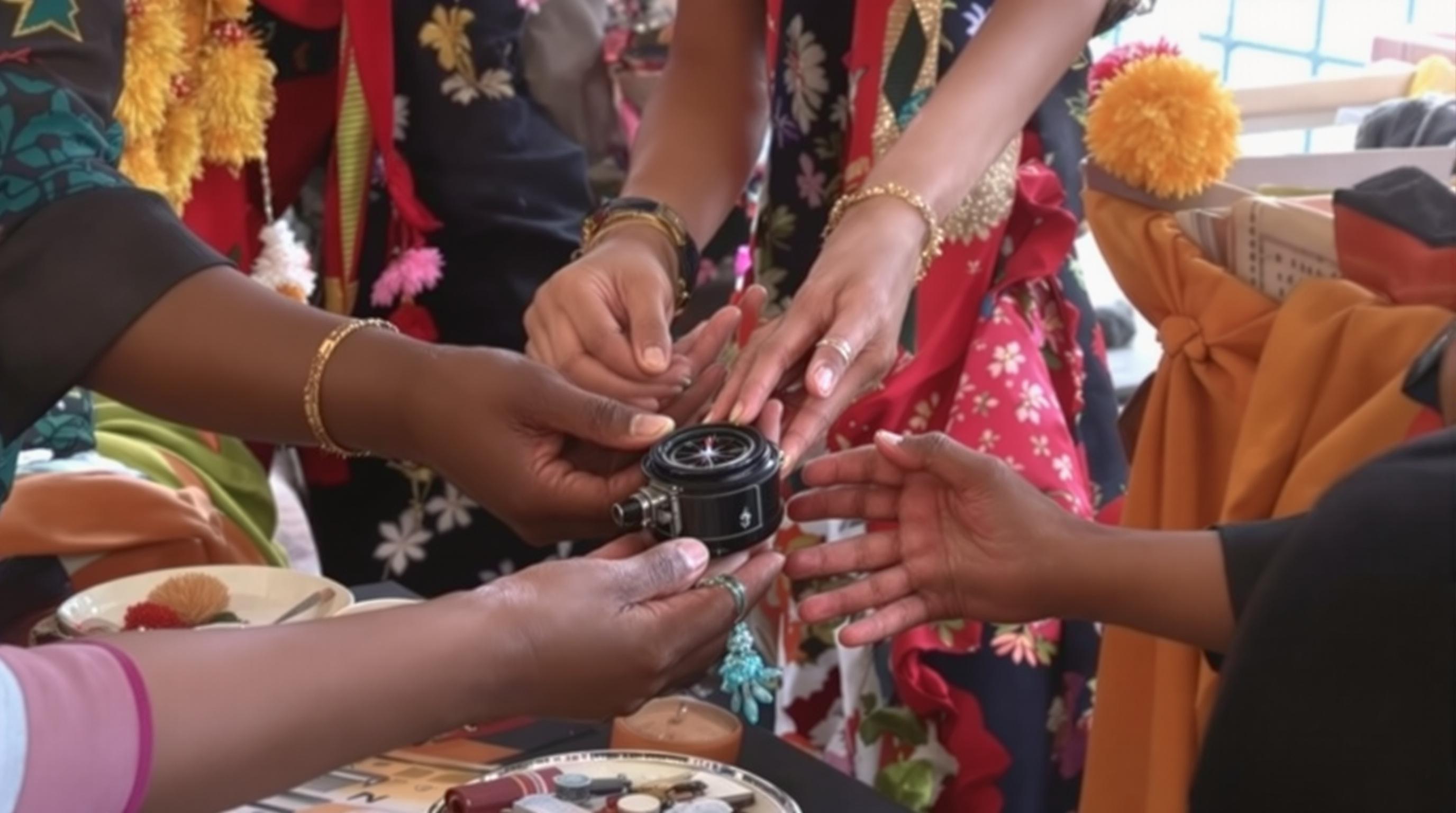
Cultural Compass: 11 Little-Known Rituals That Foster Dialogue and Connection Across Borders Through Shared Traditions
Cultural Compass: 11 Little-Known Rituals That Foster Dialogue and Connection Across Borders Through Shared Traditions
Cultural Compass: 11 Little-Known Rituals That Foster Dialogue and Connection Across Borders Through Shared Traditions
1. Tea Ceremonies: Across the World
Tea ceremonies are rich traditions found in various cultures, from Japan's meticulous matcha ritual to China's Gongfu tea practice. These ceremonies serve as a moment of pause, allowing participants to linger in the present and connect through shared experience. Regardless of the specifics, the essence lies in appreciation and interaction, promoting conversation and understanding.
In Japan, the tea ceremony is known as "Chanoyu" and embodies harmony, respect, purity, and tranquility. Every movement and gesture has a purpose, designed to create a serene atmosphere, fostering deeper connections between participants. Likewise, in China, the Gongfu tea ceremony celebrates the art of brewing, guiding attendees through a multi-sensory journey that encourages dialogue about flavors, aromas, and personal stories.
As cultures blend and cross borders, tea ceremonies can become venues for intercultural dialogue, strengthening relationships through shared rituals and tales. This unifying beverage acts as a bridge, drawing people together to share experiences, histories, and dreams.
2. The Power of Potlucks
Potlucks are gatherings where each guest brings a dish, representing their culinary heritage or personal favorite. This tradition promotes sharing not only food but also stories tied to the dishes. It is a heartfelt invitation to connect, discuss, and learn about different cultures through flavors and food stories.
The delight of tasting various dishes stimulates conversation about their origins and recipes. For instance, a guest might share a tradition about how their family celebrates holidays with a specific dish, fostering a sense of shared humanity as everyone discusses their own family traditions. In essence, potlucks serve as a melting pot of culture, taste, and connection.
By partaking in potlucks, individuals embrace the diversity of cuisine while simultaneously engaging in meaningful dialogues that transcend language barriers. Sharing food encourages participants to appreciate the nuances of each other's cultures, paving the way for more profound interconnections.
3. Dance Around the World
Various forms of dance serve as a powerful means of communication and cultural expression. From the rhythmic salsa of Latin America to the intricate moves of Indian classical dance, these art forms tell stories that transcend spoken language. Dance rituals often bring people from diverse backgrounds together, fostering solidarity and shared understanding.
In many communities, folk dances are tied to celebrations, commemorating historical events or seasons. For example, the Maori haka not only showcases fierce pride and heritage but also unifies participants, inviting observers into a transformative experience. It is a vivid portrayal of how movement can speak where words fall short, drawing attention to common human emotions.
Participating in or witnessing dance rituals creates an environment where barriers evaporate, replaced by rhythm and movement that invite everyone to join. This collective experience fosters connections that can lead to meaningful dialogues and a greater appreciation of cultural differences.
4. Storytelling Circles
Storytelling circles, often found in indigenous cultures, are sacred spaces where individuals share narratives that reflect their lives and experiences. Here, every voice is valued, and the practice fosters empathy and connection among participants. The act of storytelling becomes a collective experience that weaves threads of personal and shared histories, all while celebrating cultural diversity.
These circles empower individuals, allowing them to express their thoughts and emotions, while also listening to others’ perspectives. The oral tradition exemplifies how stories can be vehicles for understanding, preparing the ground for profound discussions. Such exchanges often create bonds that endure beyond the immediate moment, fostering long-lasting connections across generations.
The act of gathering to share stories can also reinforce cultural identity, connecting people while transcending geographical boundaries. When individuals sit together to listen and learn, they partake in a grand tapestry of human experience, grounded in the basic need for connection and understanding.
5. Shared Harvest Festivals
Harvest festivals celebrate the bounty of the land and reflect the interconnectedness of the community. From the U.S. Thanksgiving to India’s Pongal, these festivals emphasize gratitude and sharing, bringing together people to honor the earth’s gifts. Such events often become a canvas for sharing traditions, fostering new relationships and mutual respect.
The significance of these festivals extends beyond feasting; they often include rituals such as prayers, dances, and communal games, solidifying the bonds between participants. Similarly, sharing food produced by the collective labor of the community accentuates interdependence, enhancing understanding of agricultural practices and cultural significance across regions.
As communities gather in celebration, they gain a deeper appreciation for each other's customs and heritage. These shared experiences form an innovative cultural exchange platform, leading to constructive dialogues that transcend borders and bolster connections.
6. The Art of Handshake Variations
The handshake is a universal gesture of greeting, yet its variations across cultures serve as fascinating insights into social norms and customs. From the Chinese fist bump to the Maori hongi, these gestures illustrate diverse expressions of respect and connection. Understanding these nuances can lead to richer dialogues and a deeper appreciation of cultural differences.
Exploring the meanings behind these Various handshakes can spark conversations about tradition, values, and community. They represent not just a greeting but an invitation to comprehend the underlying cultural significance, often steeped in history and custom. Such knowledge can lay the groundwork for building friendships, highlighting empathy and goodwill.
When people make an effort to learn about and practice different handshake customs, it exemplifies cultural sensitivity and fosters connection. The art of greeting embodies a shared commitment to understanding, making the handshake a profound ritual that transcends simple physical contact.
7. Candlelight Vigils
Candlelight vigils have emerged as powerful rituals for collective mourning, protest, and compassion. Whether commemorating loved ones or advocating for social justice, the act of lighting a candle fosters a sense of unity, drawing individuals from various backgrounds to share their experiences and emotions. This illumination signifies hope, leading to heartfelt dialogues about shared struggles and dreams.
Participating in vigils encourages introspection and vulnerability, inviting attendees to reflect on their connection to the cause. The collective light creates a palpable energy, where each flicker resonates with fundamental human emotions—grief, love, hope. This shared ritual cultivates community bonds and promotes understanding amidst diversity.
In a time when society faces various challenges, candlelight vigils signify the power of empathy and collective action, serving as a reminder that people can connect beyond words. These gatherings often inspire conversations about change, encouraging communities to unite towards common goals.
8. Rituals of Reciprocity
Reciprocity is a central tenet in many cultures, embodied in ceremonies designed to reinforce social ties. These rituals often take place during significant life events, such as weddings or cultural exchanges, where individuals give and receive gifts, creating balance in relationships. Such acts of reciprocity deepen connections and enhance mutual understanding across diverse backgrounds.
Gifts exchanged during such rituals often carry cultural significance, representing love, respect, and gratitude. Whether it’s exchanging food, symbolic items, or services, these gestures tell stories about shared values and customs. Understanding the implications of reciprocity in various cultures opens avenues for longstanding friendships and promotes social cohesion.
Engaging in reciprocal rituals can unite individuals within a community and across cultures, as they signify a universal desire to connect and support one another. Ultimately, these practices emphasize that giving and receiving are fundamental aspects of humanity, inspiring conversations about shared responsibilities and aspirations.
9. Gathering Around Fire
Gathering around a fire holds primal significance in numerous cultural traditions. It serves as a communal space for storytelling, song, and dance, encapsulating moments of connection and shared humanity. Around its warmth, individuals reflect on their lives and experiences, forging bonds that span cultural and geographical divides.
Traditionally, fire ceremonies accompany rituals of transition, celebrating life events such as births, marriages, and memorials. The element of fire symbolizes transformation and unity, as participants engage in collective dialogue to honor their histories and dreams. This ancient gathering practice invites contemplation and encourages expressions of cultural identity.
As individuals share stories around the fire, they cultivate a safe environment for discussions about common experiences and aspirations. This age-old ritual not only rekindles shared memories but also ignites hopes for a connected future across different cultures and communities.
10. Crafting as a Collective Practice
Crafting often emerges as an intimate form of cultural expression, allowing individuals to share their creativity and traditions. From quilting bees to collective pottery sessions, these practices foster camaraderie and lively dialogue. Participants engage in both individual creativity and collaborative endeavors, deepening connections through shared artistic experiences.
Crafting rituals can serve as a way to transmit skills and stories across generations, highlighting the cultural significance of these practices. For instance, creating a quilt can become a tapestry of memories, encapsulating family histories or community narratives. Engaging in such activities can invite reflections on identity, heritage, and continuity.
By participating in collective crafting, individuals cultivate mutual respect and understanding, recognizing how traditions evolve and adapt. These shared moments not only produce tangible outcomes but also create lasting bonds, enabling deeper discussions around the cultural significance of craftsmanship.
11. Music Spanning Borders
Music is a universal language that transcends cultural boundaries, fostering connections through rhythm and melody. From community drum circles to global music festivals, shared musical experiences create an enriched environment for dialogue and celebration. Music, in its many forms, invites individuals to explore diverse cultural expressions, inciting discussions about common themes of love, struggle, and joy.
Participating in group music-making often encourages collaboration and improvisation, where diverse cultural influences blend into harmonious expressions. These interactions provide a platform for exploring social issues and sparking conversations about identity, belonging, and human experiences. The shared act of creating music fosters an undeniable sense of togetherness.
As individuals come together to experience music, they form connections that resonate beyond the performance, encouraging further exploration of one another's backgrounds and traditions. This celebration of diversity in music not only connects hearts but also cultivates a deeper understanding of the shared human experience across borders.
Read More