Related Articles
- Navigating Ethical Travel: The Role of Arts and Crafts in Supporting Local Economies and Cultures
- Rediscovering Ancestral Routes: How Ancient Trails Offer Insights into Sustainable Travel Practices
- The Ethical Dilemma of Luxury Travel: Splurging or Supporting Sustainable Development?
- Navigating Ethical Dilemmas: The Quest for Authenticity in Local Food Experiences While Traveling
- Beyond the Facade: Exploring the Subsurface Infrastructure of Iconic Historical Structures
- Curiosities Unearthed: The Surprising Connections Between Historic Sites and Modern Art Movements
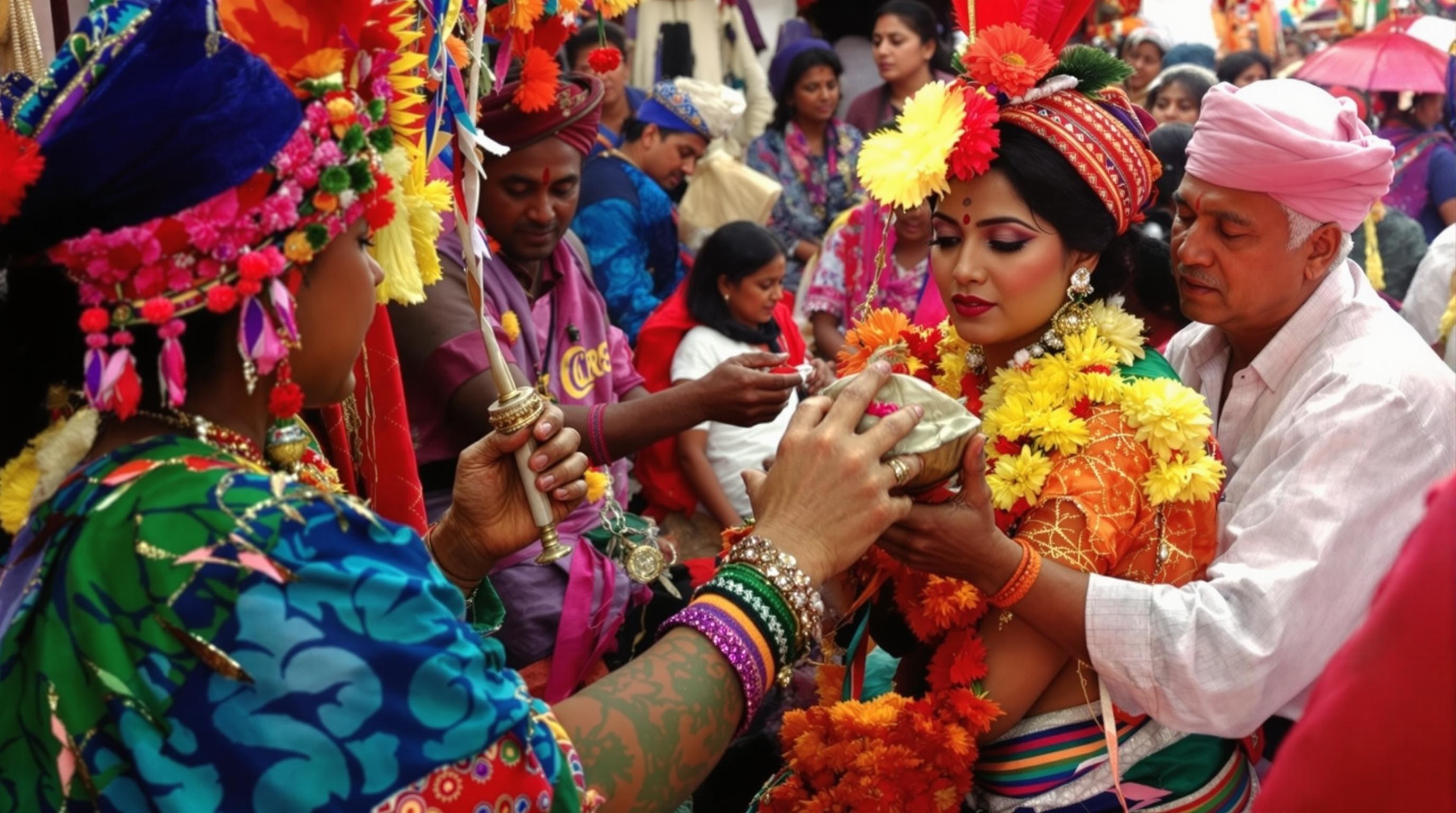
Cultural Kinship: 7 Unique Rituals from Around the World That Unite Communities Through Shared Celebrations and Traditions
Cultural Kinship: 7 Unique Rituals from Around the World That Unite Communities Through Shared Celebrations and Traditions
Cultural Kinship: 7 Unique Rituals from Around the World That Unite Communities Through Shared Celebrations and Traditions
1. Dia de los Muertos - Mexico
As the sun sets and the stars begin to twinkle, families across Mexico gather to honor their deceased loved ones during the vibrant celebration known as Dia de los Muertos (Day of the Dead). This annual event blends indigenous beliefs and Catholic traditions, creating a unique tapestry of remembrance. Altars adorned with photographs, marigolds, and favorite foods bridge the gap between the living and the dead.
Communities often come together in cemeteries, transforming them into lively spaces filled with music, laughter, and storytelling. The sound of mariachis and the scent of pan de muerto (bread of the dead) fill the air, reminding participants that the relationship with their ancestors is alive and dynamic. This communal spirit reinforces the idea that death is not an end, but a continuation of love and memory.
As participants share tales of their dearly departed, the celebration fosters a sense of unity and resilience within families and communities. Through vibrant festivities, Mexico preserves cultural heritage and intergenerational bonds, highlighting the role of collective memory in the human experience.
2. Holi - India
Holi, the Festival of Colors, is an exuberant celebration that heralds the arrival of spring in India. This festival symbolizes the victory of good over evil and promotes forgiveness, harmony, and the spirit of togetherness. On this day, participants throw vibrant colored powders at one another, completely transforming the atmosphere into a kaleidoscope of joy.
The joyous interaction supersedes social barriers, as people from various backgrounds unite to celebrate. Music, dance, and festive foods accompany the revelries, making Holi a spectacle of shared enthusiasm and camaraderie. Gathering together in streets or open spaces, communities vividly embody the spirit of inclusivity and the joy of coming together.
Holi extends beyond mere color; it is a reminder that life is vibrant and beautiful, and its energy is magnified when shared. The festival highlights the essence of cultural kinship, reinforcing bonds among people and celebrating life's transient moments through playful yet meaningful rituals.
3. Midsummer - Sweden
Midsummer is a cherished celebration that honors the summer solstice in Sweden, bringing communities together for a day filled with light, flowers, and love. This festival, often marked by the raising of a maypole decorated with greenery and flowers, is a time for joyful singing, dancing, and feasting.
Families and friends gather in the countryside, partaking in traditional foods such as herring, new potatoes, and strawberries, symbolizing the bountiful harvests of summer. The cheerful atmosphere fosters connections, as people engage in games and dance around the maypole, celebrating the bonds of kinship and joy.
Through shared rituals and communal gatherings, Midsummer is a beautiful expression of reverence for nature and the warmth of human relationships. It highlights the importance of celebrating life in a collective spirit, drawing people together under the endless summer skies.
4. Obon - Japan
Obon is a Japanese festival that honors the spirits of ancestors. Celebrated during the summer months, it is a time when families come together to remember and commemorate their deceased loved ones. Lanterns are lit and placed around homes to guide the spirits back, creating a warm and inviting atmosphere.
Communities often participate in traditional dances known as Bon Odori, which serve to welcome the spirits while promoting togetherness among participants. This dance is filled with grace and rhythm, emulating a profound respect and joy as the living honor those who have passed.
Obon bridges time and memory, fostering deep spiritual connections that transcend generations. Through shared rituals and gatherings, communities reaffirm their cultural identity, making this celebration an essential rite of passage that strengthens familial and communal ties.
5. Carnival - Brazil
Carnival is the most famous festival in Brazil, renowned for its exuberance, music, and unparalleled celebration. This pre-Lenten festival merges African rhythms, Portuguese traditions, and indigenous influences, transforming Brazilian cities into vibrant stages of cultural expression. The event draws millions, fostering a communal spirit among participants and spectators alike.
Parades filled with elaborate floats and colorful costumes turn streets into surreal artworks, where samba pulses through the Brazilian air. Communities come together to share in the joy, with local neighborhoods forming samba groups that represent their culture and pride. This high-energy celebration encourages inclusivity, as people of all ages, backgrounds, and walks of life join in the revelry.
Carnival serves as a powerful platform for unity, showcasing Brazil's diverse cultural heritage while fostering empathy and connection among participants. Its festive atmosphere stimulates appreciation for the richness of human connections, making every rhythm beat a tribute to collective joy.
6. Thanksgiving - United States
Thanksgiving is a beloved tradition in the United States, celebrated on the fourth Thursday of November. This holiday centers around gratitude, family unity, and the blessings of the harvest. Families often gather to share a festive meal featuring turkey, stuffing, and pumpkin pie, embodying the spirit of togetherness.
The communal aspect of Thanksgiving extends to community events, where food drives and volunteer opportunities flourish. Many people take time to give back, emphasizing the importance of compassion and connection within the larger community. This fusion of feasting and gratitude unites people from all walks of life around shared ideals.
As participants reflect on their blessings and cherish their loved ones, Thanksgiving serves as an anchor for familial and societal bonds. The act of coming together to celebrate not only reinforces cultural kinship but also inspires hope and gratitude for the collective journey of humanity.
7. Sukkot - Israel
Sukkot, also known as the Feast of Tabernacles, is a Jewish festival that commemorates the Israelites' journey in the wilderness and celebrates the fall harvest. The festival lasts seven days, during which families build temporary outdoor structures called sukkahs to dwell in and share meals, reinforcing bonds among families and friends.
This intimate gathering encourages community connections, as people invite neighbors and visitors to join in their celebrations. Symbolic rituals, such as waving the lulav (palm branch) and etrog (citron), during prayers deepen cultural ties and express gratitude for the harvest and shelter.
Sukkot embodies the value of hospitality, reminding participants of shared traditions and communal responsibility. The festival fosters reflections on faith, resilience, and unity, encapsulating the essence of cultural kinship through shared experiences and the joy of gathering together.
Read More