Related Articles
- Navigating Ethical Travel: The Role of Arts and Crafts in Supporting Local Economies and Cultures
- Rediscovering Ancestral Routes: How Ancient Trails Offer Insights into Sustainable Travel Practices
- The Ethical Dilemma of Luxury Travel: Splurging or Supporting Sustainable Development?
- Navigating Ethical Dilemmas: The Quest for Authenticity in Local Food Experiences While Traveling
- Beyond the Facade: Exploring the Subsurface Infrastructure of Iconic Historical Structures
- Curiosities Unearthed: The Surprising Connections Between Historic Sites and Modern Art Movements
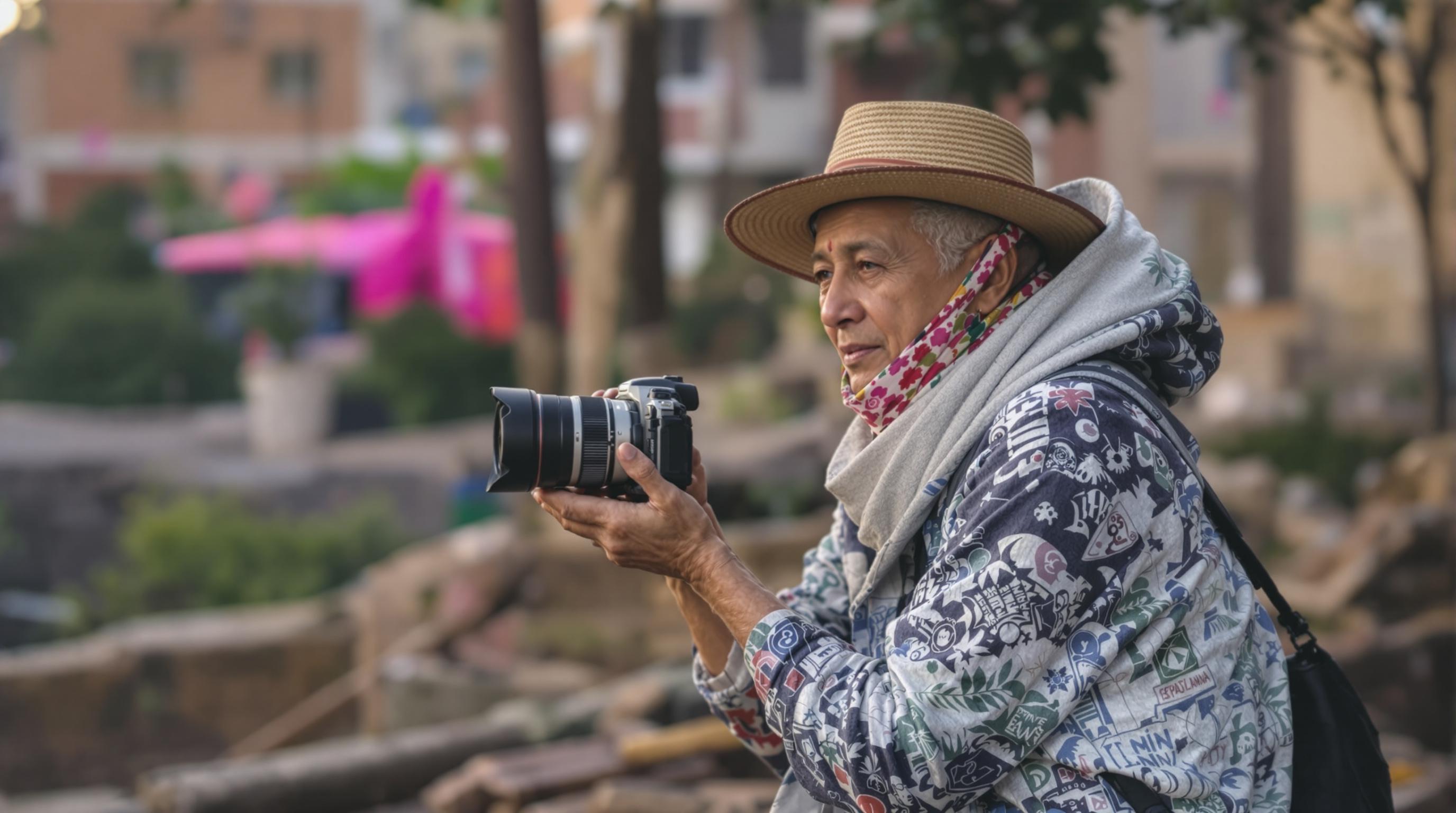
10 Essential Travel Photography Tips for Capturing Candid Moments and Evoking Raw Emotions in Cultural Landscapes
10 Essential Travel Photography Tips for Capturing Candid Moments and Evoking Raw Emotions in Cultural Landscapes
10 Essential Travel Photography Tips for Capturing Candid Moments and Evoking Raw Emotions in Cultural Landscapes
1. Know Your Subject
Understanding the culture and people you are photographing is fundamental to capturing genuine emotions. Research local traditions, customs, and daily routines. This knowledge will help you connect on a deeper level with your subjects, allowing for more intimate and meaningful photographs.
Spending time observing your surroundings can also reveal the most authentic moments. Whether it's a bustling market or a quiet village street, know when and where to be to catch spontaneous interactions.
Attending local festivals or activities can provide unique opportunities to capture vibrant expressions of culture and joy. Engaging in conversations with locals can enhance your understanding and lead to more powerful imagery.
2. Use Natural Light Wisely
Natural light can dramatically affect the mood of your photographs. Early mornings and late afternoons provide the golden hour light, which enhances colors and creates soft shadows, evoking warmth and emotion.
Avoid direct harsh sunlight during midday, as it can lead to stark contrasts and unflattering shadows. Instead, seek shaded areas or consider cloudy days for diffused lighting that highlights the subtle emotions of your subjects.
Experimenting with backlighting can also create a visually stunning effect. Capture silhouettes against a sunset or dramatic sky to produce compelling and emotive images that resonate with viewers.
3. Embrace Imperfection
In travel photography, the beauty often lies in spontaneity. Embrace the messiness of life—unposed moments and fleeting expressions can tell powerful stories. Don’t strive for perfection; instead, seek authenticity.
Allow moments to happen naturally. A child laughing, a couple dancing, or an elderly person resting can all evoke raw emotions that polished shots might fail to capture.
This allows you to connect with your subjects on a more human level, creating a narrative that viewers can relate to and feel inspired by. Remember, “photography is the story I fail to put into words”—Destin Sparks.
4. Get Close and Capture Details
Zooming in on the details is vital for evoking emotions in your travel photography. Close-ups can convey the textures, colors, and nuances that make a culture unique. Capture facial expressions, intricate textiles, and the rawness of environments.
Using a prime lens with a wide aperture can help to achieve striking portraits that emphasize emotion. Focus on the eyes, as they are often the windows to the soul and can convey deep feelings without words.
Detail shots of daily life, such as hands working or food being prepared, can also showcase the heart of a culture. These images tell quieter stories that speak volumes about traditions and lifestyles.
5. Candid Photography vs. Posed Shots
While posed photographs have their place, candid shots often feel more authentic. To capture candid moments, you may need to become a silent observer—allowing interactions to unfold naturally without interference.
Utilizing a longer lens can help you maintain distance while still achieving intimate shots. This technique allows subjects to act naturally without the pressure of a camera in their face.
In busy cultural settings, blend into the environment and reduce your profile. This stealthy approach can facilitate capturing genuine interactions that tell a story beyond what posed images convey.
6. Tell a Story Through Composition
Composition is essential in travel photography to guide viewers’ eyes and evoke emotion. Use the rule of thirds to create balance and intrigue. Position key elements along the gridlines or at their intersections to draw attention.
Incorporate leading lines to guide the viewer's gaze through the image. Whether it’s a winding path, a street, or architectural lines, these elements can create a sense of depth and narrative.
Frames within frames, such as archways or windows, can also add context and drama, enhancing the storytelling aspect of your photographs. Every photograph should reflect a slice of life in its cultural landscape.
7. Respect Cultural Sensitivities
When photographing in diverse cultures, it’s crucial to be mindful of local customs and practices. Always seek permission when documenting people and private spaces. Knowing when and how to approach potential subjects can foster trust.
Being respectful demonstrates your intention and can lead to more profound interactions. This can also significantly enhance the emotional quality of your images, as subjects often feel more at ease.
Building rapport not only provides better photo opportunities but also enriches your travel experience. Engaging with local customs can lead to candid interactions and dynamic storytelling.
8. Experiment with Different Perspectives
Changing your vantage point can yield captivating results in travel photography. Don’t hesitate to explore unusual angles—get low to the ground, climb a hill, or find a high vantage point. This approach can create unique perspectives that transform your images.
High or low angles can alter the emotion conveyed in an image. A child’s perspective might evoke innocence and wonder, while a higher angle can convey a broad sense of context within a cultural landscape.
Additional perspectives can come from reflecting in surfaces like water or windows, which creates an interesting composition and introduces depth. These variances can add layers of meaning to your photographs.
9. Capture the Environment
The environment itself plays a significant role in travel photography. Including elements of the landscape can contextualize your subjects and enrich the overall story. Diverse backdrops help illustrate cultural nuances and feelings.
When photographing people, ensure you also capture their surroundings. This combination can tell a story about their living conditions, daily activities, and the cultural landscape they inhabit.
Consider incorporating local landmarks or everyday objects that characterize the location, linking people with their environment. These cultural elements can be just as compelling as the subjects themselves.
10. Edit with Emotion
Post-processing plays a critical role in enhancing the emotional impact of your travel photos. Utilize editing tools to adjust brightness, contrast, and color saturation to reflect the mood you want to convey.
Grainy textures or faded colors can evoke nostalgia, while bright colors might exude joy and liveliness. Find a style that complements the essence of your images and reinforces the stories behind them.
Don't oversaturate or over-edit; the goal is to enhance the photo while preserving its authenticity. A well-edited image can resonate with viewers, drawing them into the emotion of the moment captured.
Read More