Related Articles
- Navigating Ethical Travel: The Role of Arts and Crafts in Supporting Local Economies and Cultures
- Rediscovering Ancestral Routes: How Ancient Trails Offer Insights into Sustainable Travel Practices
- The Ethical Dilemma of Luxury Travel: Splurging or Supporting Sustainable Development?
- Navigating Ethical Dilemmas: The Quest for Authenticity in Local Food Experiences While Traveling
- Beyond the Facade: Exploring the Subsurface Infrastructure of Iconic Historical Structures
- Curiosities Unearthed: The Surprising Connections Between Historic Sites and Modern Art Movements
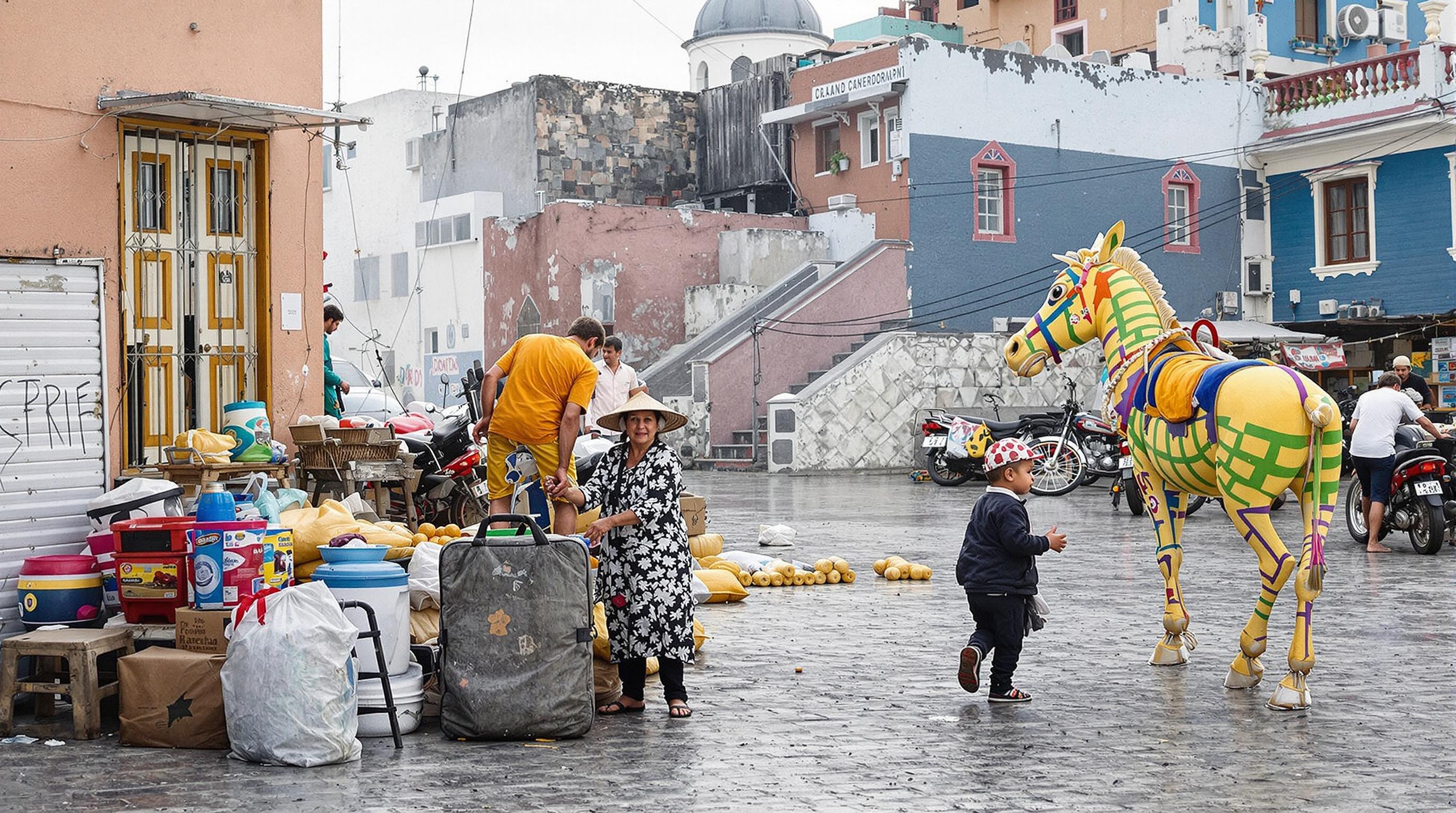
10 Essential Travel Photography Tips for Capturing the Hidden Stories of Everyday Life in Foreign Lands
10 Essential Travel Photography Tips for Capturing the Hidden Stories of Everyday Life in Foreign Lands
10 Essential Travel Photography Tips for Capturing the Hidden Stories of Everyday Life in Foreign Lands
1. Embrace Natural Light
Natural light is one of the most flattering ways to capture the beauty of a scene. Early mornings and late afternoons offer what photographers call the "golden hour," where the soft, warm light enhances colors and textures beautifully. This light helps to evoke a specific mood, which can be especially important when capturing candid moments in everyday life.
Avoid harsh midday sun if possible, as it can create unappealing shadows and overexposed highlights. Instead, look for shaded areas or utilize cloudy days to create softer, diffused lighting conditions that can enhance the ambiance of your images.
Experiment with different lighting conditions and angles to see how they transform the ordinary into something extraordinary. Don't hesitate to revisit the same location at various times of day to fully capture its character in different lighting.
2. Explore the Local Culture
Capturing the essence of a destination is deeply tied to its culture. Spend time exploring the less-traveled paths and engaging directly with the local populace. Street markets, festivals, and everyday interactions provide a wealth of storytelling opportunities that can intrigue viewers.
Consider learning basic phrases in the local language; this can help break the ice and encourage subjects to feel more comfortable, allowing for more genuine and candid captures. Local guides can also provide insights into customs and traditions that may not be immediately visible to visitors.
The goal is to tell a story, so aim to immerse yourself in these moments fully. The more you learn about and appreciate the culture, the better equipped you'll be to capture its hidden stories through your lens.
3. Use a Prime Lens
Though zoom lenses are versatile, prime lenses generally provide sharper images and better low-light performance. A 35mm or 50mm lens can create a more intimate perspective, encouraging you to get closer to your subjects and foster a connection.
The simplicity of a prime lens challenges you to be more creative with composition and framing. It forces you to think deliberately about each shot, engaging more with your surroundings and drawing out the stories behind what you are photographing.
Additionally, the narrow depth of field offered by prime lenses can help isolate subjects, giving a beautiful bokeh effect that highlights the essence of the moment you are trying to capture.
4. Capture Candid Moments
While posed photos have their place, candid shots often reveal the most heartfelt stories. Look for organic interactions between people and their environment—laughter, contemplation, or even the mundane acts of daily life.
Patience is key. Sometimes the best moments happen when they’re least expected. Take time to observe your surroundings, and wait for those fleeting instances that encapsulate the spirit of the place.
Consider using a silent shutter mode if your camera has one. This feature allows you to capture moments without disturbing them, increasing the chances of getting natural, unposed reactions.
5. Frame Your Shots
Composition is vital when telling a story through photography. The rule of thirds is a classic principle that can help you create balance and interest within your photos. By dividing the frame into three equal sections horizontally and vertically, compelling focal points can be placed at their intersections.
Additionally, look for leading lines in your environment—paths, fences, or buildings can guide the viewer's eye toward the subject. Consider framing your shots using natural elements such as doorways, windows, or arches to create depth and context.
Ultimately, a well-composed image not only captures a moment but also conveys the narrative surrounding it, inviting viewers into the story you want to tell.
6. Engage with Your Subjects
Engaging with potential subjects can lead to richer, more authentic photographs. Whether you're photographing locals in a bustling market or observing artisans at work, building rapport fosters a sense of trust that can open doors for more evocative imagery.
Don’t hesitate to ask for permission to take a photograph; a smile and a friendly approach can make all the difference. Explain your intent—showing respect for their story often results in powerful portraits that genuinely reflect their lives.
Consider carrying a small notebook or journal to jot down thoughts or stories from your interactions. This not only enhances your photography but could provide context for the images you capture—making them even more meaningful.
7. Focus on Details
While broad landscapes can be breathtaking, details often reveal the stories that define a culture. Focus on textures, colors, patterns, and elements that relate to everyday life. A local’s worn hands crafting their trade, vibrant spices at a market stall, or intricate architectural details can speak volumes.
Close-up shots allow viewers to appreciate the nuances that may often go unnoticed. Invest time exploring a place thoroughly and look for those unique elements that define its character, and don’t shy away from using macro photography techniques when possible.
8. Capture the Environment
The surroundings play a significant role in defining a subject's story. Photographing homes, markets, and even street signs can immerse viewers in the environment, providing context and a sense of place.
Consider creating a series of images that showcase not only the people but also the landscape, architecture, and artifacts that make the location unique. This holistic view can evoke a deeper emotional response from your audience.
Additionally, consider the time of day and how different light will change the perception of a scene. Morning mist, evening shadows, and the golden hour can all impart different moods and enhance the overall composition.
9. Use a Storytelling Approach
Like any narrative, your photographs should connect to create a cohesive story. Think about what kind of story you wish to tell through your images—this could be about a specific culture, a day in the life of a local, or even the beauty of an everyday ritual.
Structure your photography around themes to create a visual narrative. This might involve capturing a series of images that reflect the same subject in various scenarios, leading to an ultimately satisfying conclusion.
Consider sharing these stories through a blog or social media platform in conjunction with your photographs. Adding personal insights or anecdotes can create a stronger connection with your audience and enrich the viewing experience.
10. Be Open-Minded and Adaptable
While planning is essential, sometimes the best moments arise when you least expect them. Travel involves unpredictability, and being adaptable will open your eyes to unforeseen photographic opportunities. Whether it’s a spontaneous gathering or a bustling street you decide to wander into, embrace the experience.
Don’t shy away from altering your original plans if something catches your eye. Sometimes stepping outside your comfort zone can convey the most compelling stories. Adapting can also mean being receptive to new ideas—exploring various photographic styles or themes as you travel.
Ultimately, remain curious, open-minded, and ready to learn. Your photography will not only improve but will also allow you to connect on a deeper level with the cultures and lives you’re documenting.
Read More