Related Articles
- Navigating Ethical Travel: The Role of Arts and Crafts in Supporting Local Economies and Cultures
- Rediscovering Ancestral Routes: How Ancient Trails Offer Insights into Sustainable Travel Practices
- The Ethical Dilemma of Luxury Travel: Splurging or Supporting Sustainable Development?
- Navigating Ethical Dilemmas: The Quest for Authenticity in Local Food Experiences While Traveling
- Beyond the Facade: Exploring the Subsurface Infrastructure of Iconic Historical Structures
- Curiosities Unearthed: The Surprising Connections Between Historic Sites and Modern Art Movements
10 Game-Changing Travel Photography Tips to Transform Your Shots and Engage Audiences with Dynamic Visual Storytelling
10 Game-Changing Travel Photography Tips to Transform Your Shots and Engage Audiences with Dynamic Visual Storytelling
10 Game-Changing Travel Photography Tips to Transform Your Shots and Engage Audiences with Dynamic Visual Storytelling
1. Understand Your Environment
Before you even pick up your camera, take time to truly absorb your surroundings. This includes understanding the local culture, lighting conditions, and the unique essence of the environment. Being aware of your surroundings will not only enhance your photography but will also enrich your storytelling aspect.
Engage with locals and ask them about their favorite spots. They might reveal hidden locations that are not typically featured in tourist guides. This will help you capture scenes that are authentic and filled with local flavor, thus providing depth to your visual narrative.
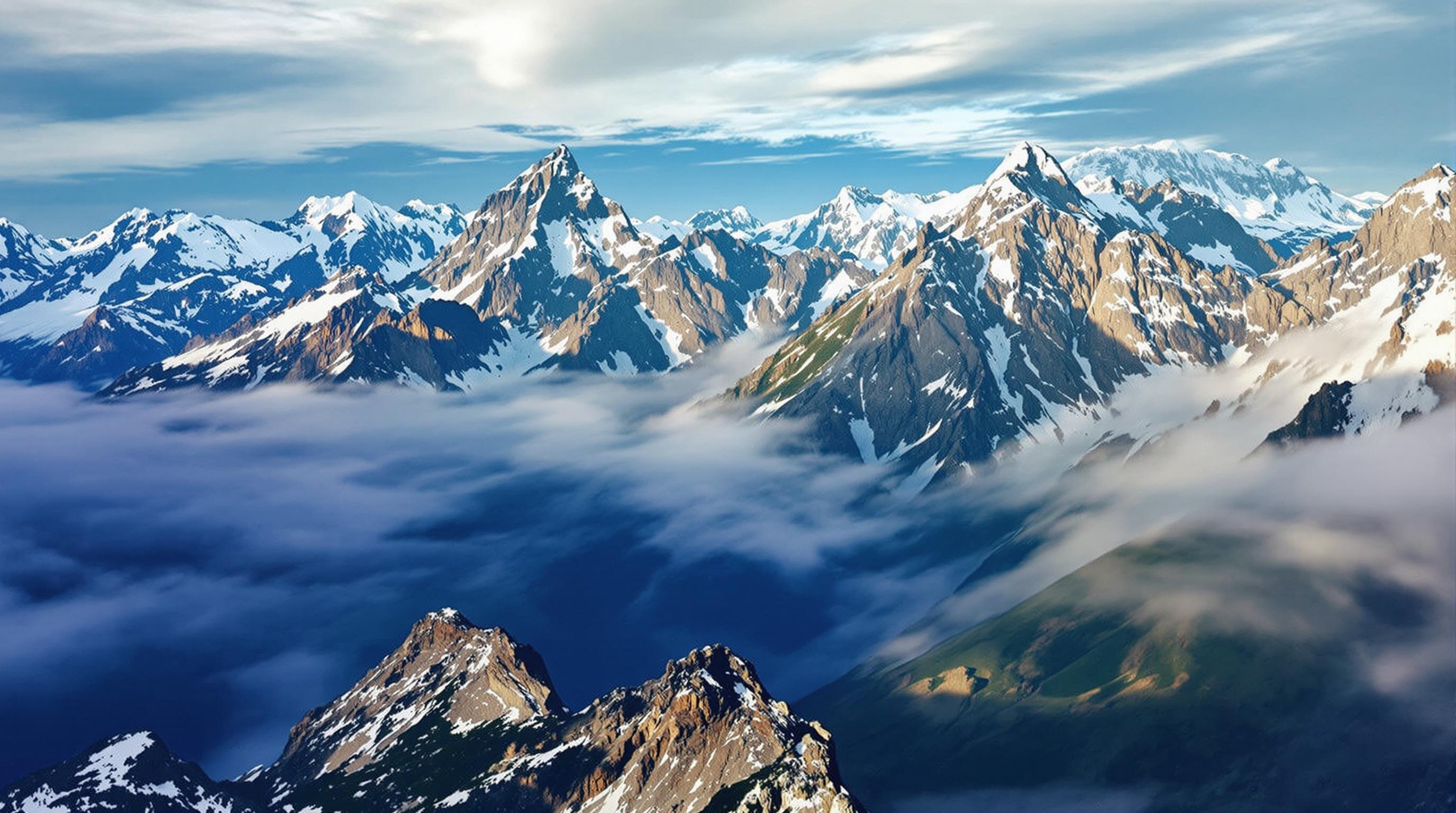
Doing your research on how weather and light interact at different times of day can significantly improve your shots. The golden hour, which occurs shortly after sunrise and before sunset, is ideal for capturing stunning, warm-lit images that resonate with viewers.
2. Compose with Purpose
Composition is crucial in photography and can make or break your shot. The rule of thirds is a fundamental guideline that can help you create balanced images. Rather than placing your subject in the center of the frame, consider using the intersections of the grid lines as focal points.
Utilizing leading lines can guide the viewer's eyes towards the main subject, providing a sense of depth and movement. This technique can be particularly effective in urban settings, where paths or structures can frame your subject beautifully.
Don’t shy away from experimenting with different angles and perspectives. Shooting from high or low vantage points can transform an ordinary shot into something extraordinary, granting viewers a fresh view of familiar scenes.
3. Play with Colors and Textures
Colors and textures can evoke emotions and tell compelling stories. When capturing a destination, pay attention to the vibrancy of the environment. The interplay of colors can significantly affect the mood of your photographs, influencing how your audience feels when they look at your work.
Textures can also add a tactile quality to your images that invite viewers to almost 'feel' the scene. Close-up shots of local crafts, food, or landscapes highlight these elements and provide context about a culture’s lifestyle.
Consider using a color palette that harmonizes or contrasts effectively. For example, capturing the blue hues of a landscape against warm golden tones of a sunset can create visual tension that engages viewers more deeply.
4. Tell a Story with People
People are often at the heart of travel photography. Instead of capturing scenes devoid of interaction, include local individuals who can add depth and life to your images. Portraits and candid shots of locals can form an emotional connection with your audience.
Engagement with your subjects is key. Ask for permission before taking photos, and take a moment to converse. This interaction not only builds rapport but can also lead to more authentic expressions and stories that speak through your lens.
When photographing people, consider the context—what they are doing, their environment, and the emotion on their faces. This approach will help you create a rich, narrative-driven series of images that resonate with the audience.
5. Master the Art of Timing
Photographic timing is essential. Whether capturing the bustling streets of Tokyo or a serene sunset in the Andes, timing can dramatically alter the mood of your shots. Situating yourself in the right place at the right time often means being patient and observant.
In fast-paced environments, be ready to click the shutter at a moment’s notice. Anticipate the action, whether it’s a street performer’s grand finale or a local festival's vibrant celebrations. These spontaneous moments can lead to breathtaking captures that feel alive.
Furthermore, understand the time of day when activities or events occur. Knowing local schedules can help you position yourself for the perfect shot, illustrating the rhythm of life in the places you visit.
6. Embrace Natural Light
Natural light is one of the most powerful tools at a photographer's disposal. It adds depth, contrast, and character to your photographs. Learning how to utilize natural light effectively can elevate your images significantly.
Golden hour is often touted as the best time for photography due to its soft, diffused lighting. However, mid-day can also be beneficial for capturing the vibrancy of local colors, especially in shaded areas.
Experiment with backlighting to create silhouettes or try using natural reflectors, like walls or water, to enhance lighting. Understanding how light behaves in different conditions allows you to adapt and create dynamic images that catch the viewer's eye.
7. Invest in the Right Equipment
While great photography can be achieved with any camera, investing in the right equipment can reduce constraints and enhance opportunities. Though the latest cameras boast incredible features, focus on what suits your travel style and photography needs.
A lightweight, versatile lens often works best for travel, allowing you to adapt to multiple scenarios without weighing you down. Additionally, consider carrying a tripod if you plan to shoot in low-light conditions, which can stabilize your shots and improve image quality.
Don’t forget about accessories such as filters to minimize glare or a portable lighting kit for dramatic effects. Since capturing unique moments often relies on being prepared, ensuring you have the right tools can make a significant difference.
8. Be Respectful and Culturally Aware
Cultural sensitivity is paramount in travel photography. Being respectful of local customs and traditions not only enhances your interactions but ultimately leads to more engaging and authentic images. Consider the social norms when taking photographs, particularly in sensitive or sacred spaces.
Before documenting activities or events, seek permission and be aware of how certain cultures perceive photography. Some communities may view it as intrusive. Taking the time to understand these dynamics can create a more enriching experience for both you and your subjects.
Sharing your appreciation for a culture can lead to meaningful exchanges, revealing deeper stories that resonate through your photographs. Remember that your images are a representation of those cultures; portraying them responsibly is essential.
9. Post-Processing: The Final Touch
Post-processing is often where your photos can shine even brighter. Editing tools like Lightroom or Photoshop allow you to adjust colors, contrast, and cropping, enhancing your original vision. Good post-processing highlights the beauty you captured and brings your story to life.
However, moderation is key. Strive for natural-looking results while preserving the authenticity of the scene. Over-editing can detract from the essence and context of your images, leading to a disconnect with your audience.
Consider creating a consistent editing style that speaks to your brand. This helps in building a cohesive narrative across your travel photos, making your work recognizable and engaging.
10. Share Your Story
The final step in dynamic visual storytelling is sharing your work effectively. Utilize platforms like Instagram, photography blogs, and online portfolios to showcase your images. But remember, storytelling doesn’t stop at the image itself; your captions and comments add context and relatability.
Engage your audience by sharing anecdotes behind the photographs. Whether it was a funny mishap during your trip or a heartwarming interaction with locals, these stories will draw people into your experience, making your photography more impactful.
Encourage dialogue with followers by asking questions or inviting them to share their own travel experiences. In doing so, you cultivate a community of like-minded individuals who appreciate the art of storytelling through photography.
Read More