Related Articles
- Navigating Ethical Travel: The Role of Arts and Crafts in Supporting Local Economies and Cultures
- Rediscovering Ancestral Routes: How Ancient Trails Offer Insights into Sustainable Travel Practices
- The Ethical Dilemma of Luxury Travel: Splurging or Supporting Sustainable Development?
- Navigating Ethical Dilemmas: The Quest for Authenticity in Local Food Experiences While Traveling
- Beyond the Facade: Exploring the Subsurface Infrastructure of Iconic Historical Structures
- Curiosities Unearthed: The Surprising Connections Between Historic Sites and Modern Art Movements
10 Ingenious Travel Photography Tricks to Turn Everyday Scenes into Enchanting Visual Masterpieces for Global Storytelling
10 Ingenious Travel Photography Tricks to Turn Everyday Scenes into Enchanting Visual Masterpieces for Global Storytelling
10 Ingenious Travel Photography Tricks to Turn Everyday Scenes into Enchanting Visual Masterpieces for Global Storytelling
1. Explore Natural Light
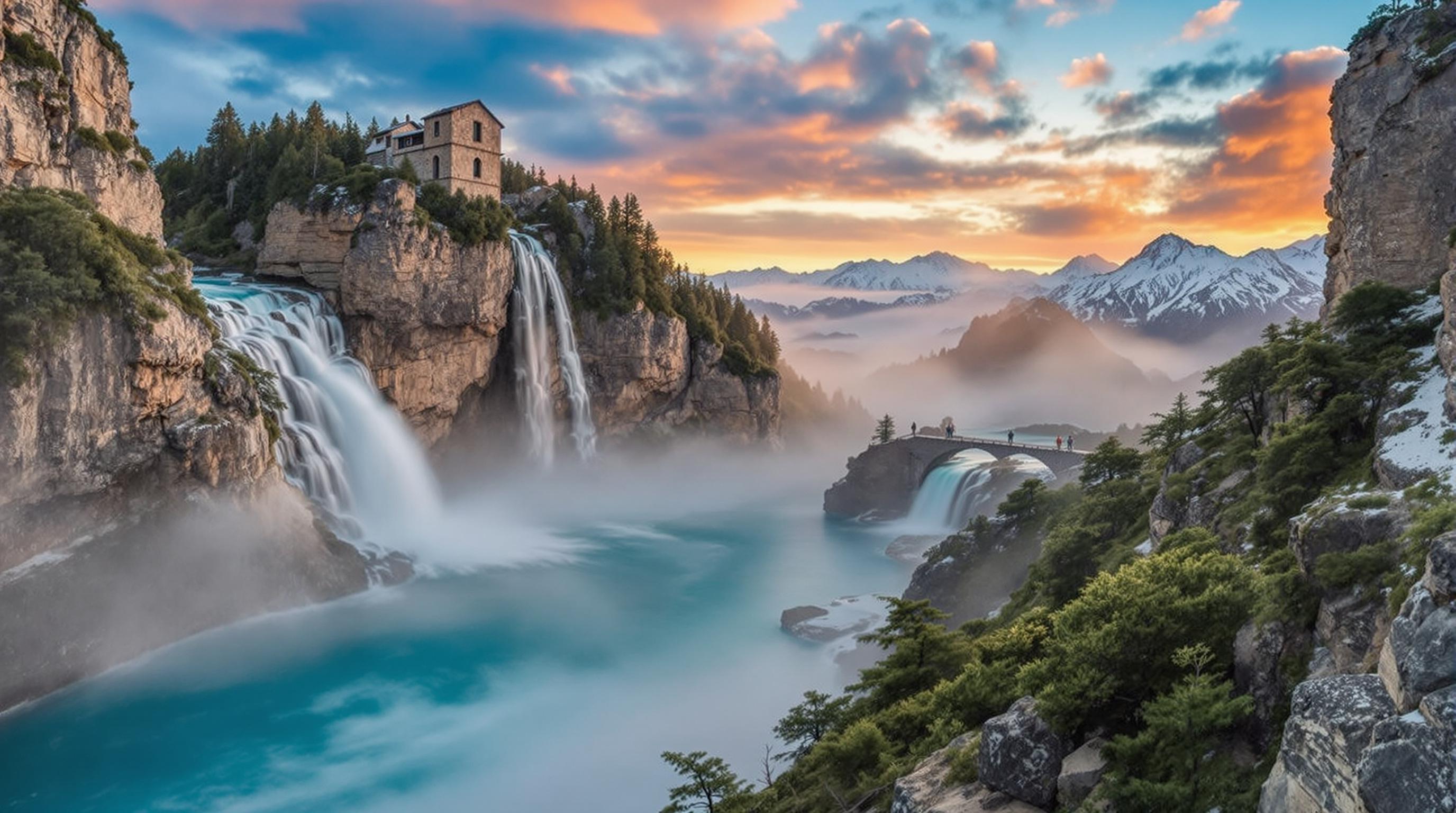
Natural light is the artist’s brush in the world of photography. Capturing the golden hour, which occurs just after sunrise or before sunset, can dramatically enhance the mood of your images. The warm hues and soft shadows created during this time result in breathtaking scenery that tells a more compelling story.
When shooting in the middle of the day, harsh light can lead to unflattering contrasts and unappealing shadows. Instead of shying away from this light, consider using it creatively. Find unique angles, such as under trees or in shaded areas, where natural light filters through, to maintain that ethereal quality.
Lastly, don’t be afraid to work with clouds and other weather conditions. Overcast days provide a diffused light that can create stunning, even tones, ideal for capturing intricate details and textures.
2. Master Composition Techniques
Composition is the backbone of great photography. Utilizing techniques like the Rule of Thirds can elevate your images by drawing the viewer’s eye to focal points in a balanced way. Imagine a tic-tac-toe board overlaying your frame; place key elements along these lines or at their intersections for an engaging visual narrative.
Another effective technique is leading lines. Use natural pathways, roads, or architectural lines to guide your viewer’s gaze through the frame. This can create a sense of movement and draw attention to the central subject of your photo.
Don’t neglect depth! Incorporating foreground elements can help create a three-dimensional feel to your images. This adds context to the scene, establishing a connection between the viewer and the subject while enhancing emotional impact.
3. Utilize Props for Storytelling
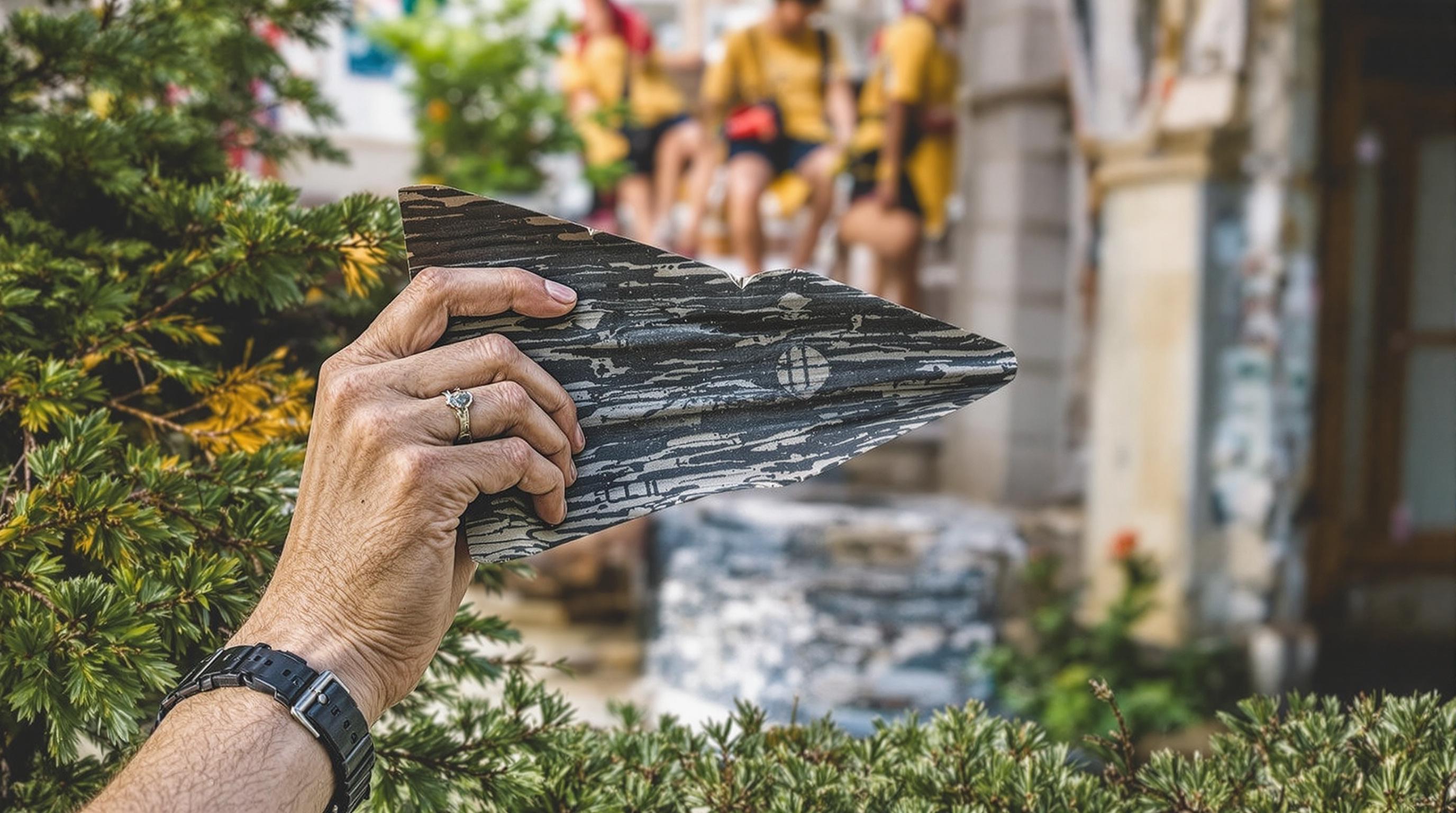
Props can inject life into your travel photography. A simple item like a hat, book, or local food can help tell a story by adding depth to the scene. When incorporating props, consider their color tones and how they complement the environment around them for visual harmony.
For instance, holding a guidebook in a busy marketplace not only engages the viewers but also subtly conveys the sense of exploration. Engaging with your surroundings via props can evoke emotions and transport viewers right into the heart of your travels.
Experimenting with props related to the culture you are exploring can also enhance your storytelling. Just be sure to maintain authenticity and relevancy to the destination to ensure your imagery resonates with viewers.
4. Capture Candid Moments
Candid photography breathes life into your travel stories. Capturing genuine moments between people or interactions with the environment adds a sense of authenticity that posed shots often lack. To achieve this, be observant and ready, leveraging quick reflexes to seize fleeting opportunities.
Patience is key; rather than interrupting interactions, remain a silent observer. This will often yield more heartfelt expressions and moments that reveal the essence of the destination’s culture. Keep your camera accessible and maintain a relaxed demeanor to avoid drawing attention to yourself.
Experiment with different focal points while shooting candids. A tighter shot on an expression can evoke emotion, while a broader shot can narrate the environment, making your storytelling richer and more layered.
5. Incorporate Local Culture
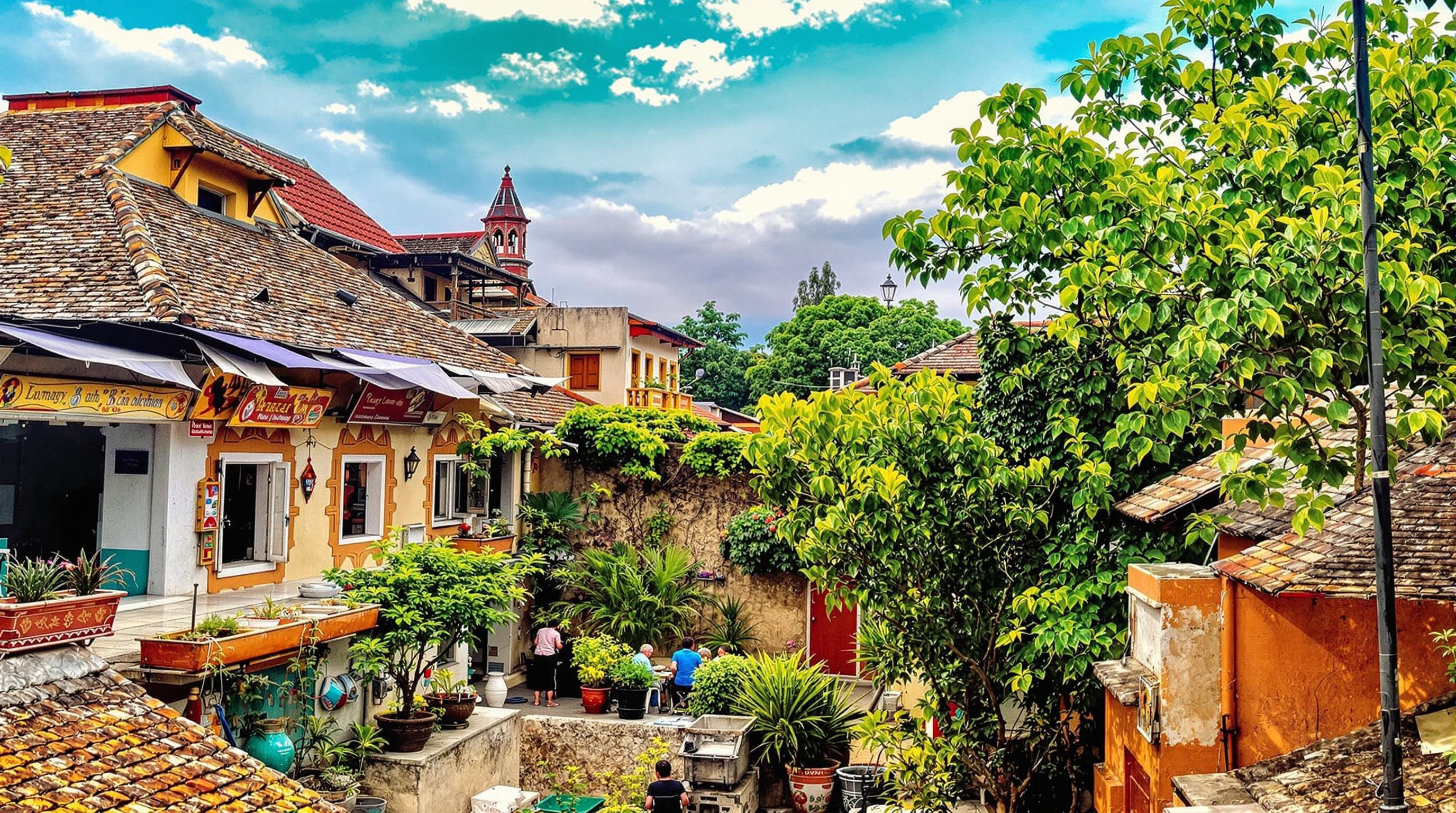
Infusing local culture into your photography enriches your visual narrative. This could be through food, architecture, festivals, or traditional practices unique to the destination. Embrace local customs and be respectful when capturing moments that may be sensitive or intimate.
Photographing locals in their natural environment can provide context to your travels. Consider asking for permission—this builds rapport and often results in more genuine interactions, which can translate into stunning photographs.
Additionally, consider documenting cultural events or markets. These gatherings showcase vibrancy and are excellent for pulling in various elements like colors, textures, and emotions—all crucial for captivating imagery.
6. Embrace Minimalism
Less is often more in photography. Embracing minimalism helps reduce distractions and emphasizes the subject. By simplifying the composition and focusing on a singular element, you can create striking images with powerful storytelling capabilities.
To achieve a minimalist aesthetic, use negative space to your advantage. This can enhance the impact of your subject, allowing it to stand out against a softer backdrop, guiding viewers’ attention to the focal point.
When traveling, look for opportunities to showcase solitary elements within bustling environments. A single flower amid a crowd, a lone traveler against a vast landscape, or a simple object with rich textures can convey profound stories in a visually simplified manner.
7. Play with Perspectives
Perspective shifts can alter the entire narrative of your shot. Instead of shooting from eye level, consider varying your angles—low, high, or tilted perspectives can introduce drama and intrigue. Change your shooting angle to discover new aspects of common scenes.
Wide-angle shots can exaggerate the scene, pulling in sweeping landscapes, while close-up shots narrow focus on the details. Experimenting with focal lengths can transform the commonplace into an extraordinary visual experience.
Using reflections or unusual frames within your photo can also add layers and complexity. Including windows, mirrors, or natural formations can create unique perspectives that entice viewers to explore the image further.
8. Post-Processing Techniques
Post-processing offers a magical opportunity to enhance your travel photos. Basic adjustments like contrast, saturation, and cropping can revive images that initially seemed lackluster. Explore software like Adobe Lightroom or mobile apps to bring life back to your shots.
However, it’s vital to retain authenticity—while editing can enhance colors and details, overdoing it may result in unrealistic portrayals. Aim for a balance that amplifies the scene without detracting from its real charm.
Experimenting with presets can save time and help you discover specific styles that resonate with your travel narrative. Taking the time for thoughtful edits allows you to fine-tune the emotion and essence of your experiences.
9. Focus on Textures
Textures add depth and dimension to your imagery, creating a sensory experience for viewers. Capturing the textures of people, landscapes, and objects allows for more engaging storytelling. Think about the tactile elements that are emblematic of the place you’re visiting.
Close-ups of local food, woven fabrics, weathered wood, or cracked earth can all evoke feelings tied to locality. Use a macro lens or zoom in on these details to highlight the inherent beauty of everyday life.
Incorporating textures can also enhance contrast, grounding your imagery and engaging viewers by prompting them to connect with the tactile reality of the culture.
10. Develop a Unique Voice
Your travel photography should reflect your personal storytelling style. Developing a unique voice involves understanding your artistic vision and being consistent in how you convey it. Familiarize yourself with established photographers to inspire while ensuring your work remains distinct.
Curate your portfolio by focusing on themes or elements that resonate with you. Be it vibrant street scenes, serene landscapes, or intimate candid shots, a cohesive narrative across your work heightens the impact of your travel stories.
Lastly, share your stories through captions and context in your photography. This not only enhances viewer engagement but also helps ground your images in a broader narrative, enriching the storytelling experience.
Read More