Related Articles
- Navigating Ethical Travel: The Role of Arts and Crafts in Supporting Local Economies and Cultures
- Rediscovering Ancestral Routes: How Ancient Trails Offer Insights into Sustainable Travel Practices
- The Ethical Dilemma of Luxury Travel: Splurging or Supporting Sustainable Development?
- Navigating Ethical Dilemmas: The Quest for Authenticity in Local Food Experiences While Traveling
- Beyond the Facade: Exploring the Subsurface Infrastructure of Iconic Historical Structures
- Curiosities Unearthed: The Surprising Connections Between Historic Sites and Modern Art Movements
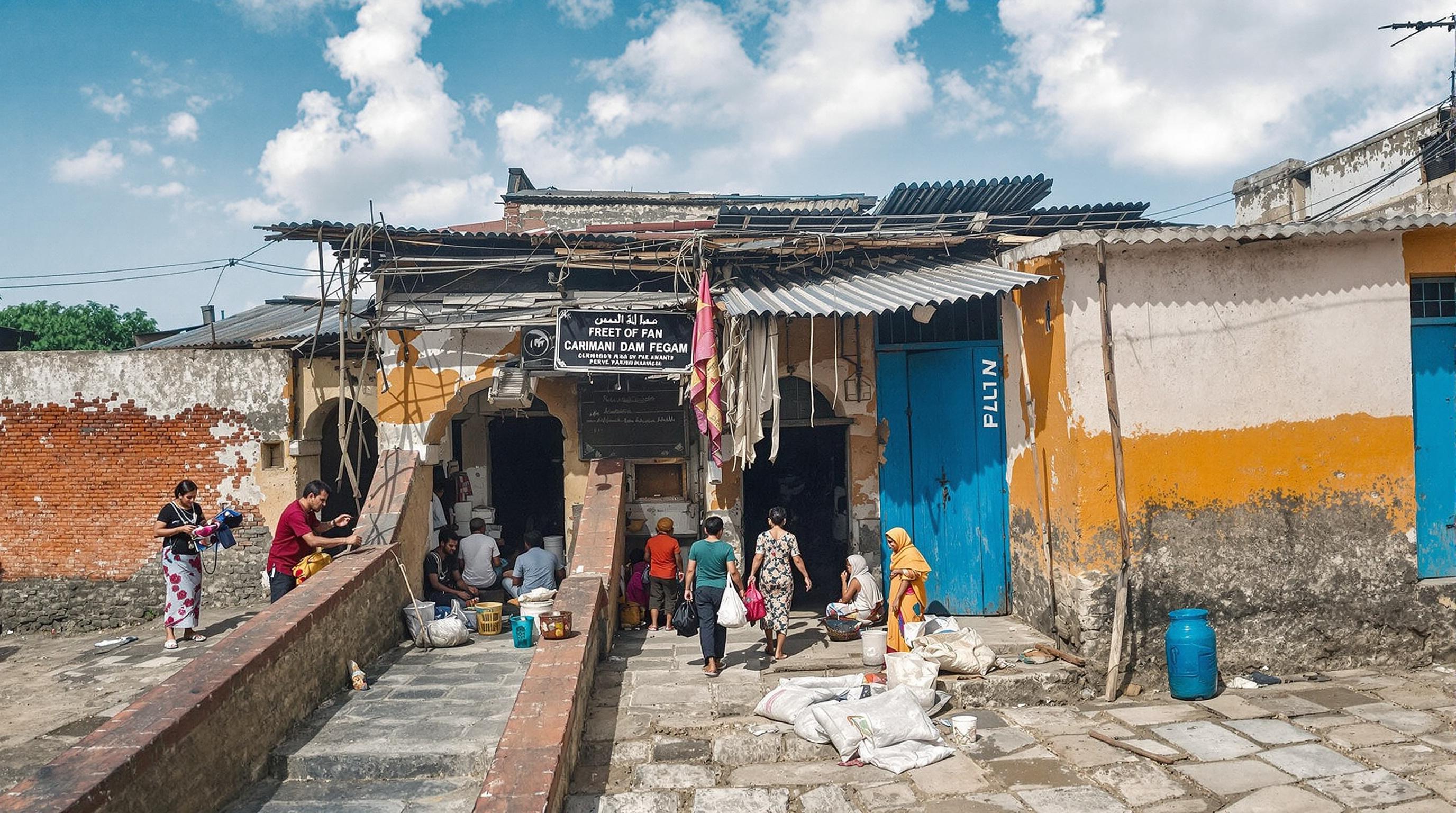
5 Essential Travel Photography Techniques to Capture Authentic Local Life and Create Compelling Visual Narratives
5 Essential Travel Photography Techniques to Capture Authentic Local Life and Create Compelling Visual Narratives
5 Essential Travel Photography Techniques to Capture Authentic Local Life and Create Compelling Visual Narratives
1. Embrace Natural Light
Natural light is a fundamental component of photography that can dramatically affect the mood and tone of your images. The best times to shoot are during the golden hour—shortly after sunrise and before sunset—when the sunlight is soft, warm, and enveloping. This light not only enhances colors but also casts shadows that add depth to your photographs.
When photographing local life, consider the direction of the light source. Backlighting can create stunning silhouettes, while side lighting brings out textures and details in your subjects. Experimenting with different times of the day will yield a diverse portfolio capturing the local atmosphere in its entirety.
Moreover, shooting in overcast conditions can also be beneficial. The diffused light minimizes harsh shadows, allowing for more balanced exposure and a richer representation of local scenery, from bustling markets to quiet villages.
2. Get Candid with Your Subjects
Authenticity in travel photography often comes from candid moments that reflect the true essence of local life. Instead of staging every shot, take the time to observe your surroundings and capture spontaneous interactions. This approach can reveal genuine emotions and stories that staged photos miss.
To successfully capture candid moments, stay unobtrusive by blending in with the crowd. Use a longer focal length or set your camera to a quick shutter speed to capture fleeting expressions without disturbing the scene. Engaging with locals before snapping photographs builds trust and may lead to more open, candid interactions.
Don’t forget to use a silent mode or shoot in continuous mode when necessary. This minimizes the shutter sound, allowing you to capture real moments without drawing attention to yourself, leading to a more genuine portrayal of local life.
3. Focus on Storytelling
Every photograph tells a story; the challenge is to capture and convey that narrative visually. Think of your compositions holistically—what do you want the viewer to feel or understand? Choose elements in the frame that contribute to the story you're telling, such as people, places, and objects that speak volumes about local culture.
To create a compelling narrative, include context in your shots. Environmental portraits, where you incorporate the backdrop of the subject's surroundings, can offer valuable insights into their life. This could be a street vendor with their stall, a fisherman by the sea, or children playing in a neighborhood park, each telling its own tale.
Consider making a series of photographs that collectively illustrate a broader story, such as a day in the life of a local family. Grouping these images can provide deeper insight and engage viewers, transporting them into the life of the community you’re portraying.
4. Incorporate Cultural Elements
Essential travel photography elevates images from simple snapshots to profound representations of a culture. Pay attention to local customs, festivals, foods, and clothing—these elements can help inform your compositions and narratives. Including cultural artifacts not only enriches the visuals but also grounds them in real experiences.
Try to attend local events or markets where traditional practices are alive. Here, you can capture the vibrancy of local life and the authenticity of the community. Photographs of cultural rituals, traditional crafts, or indigenous art can provide a sense of place and history that’s crucial for understanding the local lifestyle.
When shooting cultural elements, show respect for the individuals and traditions you're documenting. Engage with your subjects and explain your purpose, which often encourages them to share their stories more freely, contributing to more impactful imagery.
5. Experiment with Composition
A strong composition is vital in travel photography and can dramatically enhance the impact of your images. Take time to learn basic composition rules, such as the rule of thirds, leading lines, and framing. These techniques can guide the viewer's eye and create an engaging visual flow.
Break these rules intentionally when the moment calls for it. Unique perspectives, like shooting from a low angle or above a crowd, can offer fresh takes on familiar scenes and draw attention to unusual details. Don’t overlook negative space; it can emphasize your subject and tell a story of solitude or loss.
Finally, allowing space for spontaneity is essential. Some of the best shots come from unexpected moments, so be ready to adapt your composition on the fly. Keeping a flexible mindset can lead to images that resonate more strongly with viewers.
6. Utilize Depth of Field
Manipulating depth of field is a powerful way to enhance travel photography. A shallow depth of field can isolate your subject from the background, making them stand out, while a deeper focus ensures that both the foreground and background elements are sharp, providing context for your subject. Choosing the right aperture settings will allow you to control this effect in your images.
When capturing portraits, using a wide aperture (like f/2.8 or f/1.8) helps blur distractions in the background, directing focus to the subject's expression or action. Conversely, when photographing landscapes or cultural sites, a smaller aperture (like f/8 or f/11) can ensure more of the scene is in focus, allowing viewers to appreciate the details.
Experiment with various f-stop settings to discover which works best for your vision. Understanding how depth of field affects composition can dramatically elevate the storytelling aspect of your photos.
7. Capture Locals in Their Environment
Candid moments are significant, but capturing locals in their everyday settings can add depth and richness to your portfolio. This type of photography showcases the interplay between individuals and their environment, offering insights into daily life. Recognizing the significance of place can enhance the storytelling aspect of your images.
Look for opportunities to photograph locals as they engage in their daily activities—this could be someone cooking, working, or going about their routine. Tell the story of their relationship with the environment, which can include elements like architecture, nature, or even bustling urban life.
Remember to respect privacy and boundaries. Politely ask for permission when photographing people, or observe from a distance to capture the authenticity of moment without disrupting their activities. This respectful approach often yields more genuine and engaging images.
8. Document Local Events and Traditions
Local events and traditions provide excellent opportunities to immerse yourself in a community, capturing dynamic moments filled with energy and emotion. These gatherings often showcase the heritage and cultural practices of a place, allowing you to document vibrant scenes that illustrate community spirit.
When attending local festivals or ceremonies, plan ahead. Research the events beforehand to understand their significance and the best times to shoot. Arriving early to scout locations will help you find the most advantageous spots for capturing the essence of the event.
Be adaptable; local events can be chaotic, and unexpected moments often become the most memorable shots. Keep your camera ready to capture the celebration in motion. The emotions, interactions, and reactions of participants can communicate a powerful story that resonates with viewers.
9. Post-Processing with Intent
Post-processing is an essential step in enhancing your travel images, but it should be done with care to maintain the authenticity of the experience. Use editing software to adjust brightness, contrast, and color balance while preserving the original integrity of the image. Over-editing can lead to unrealistic portrayals that may detract from the story you want to tell.
Consider making use of presets or filters that align with the mood of your subject matter. For instance, warm tones can convey the warmth of the community, while cooler tones might suit urban landscapes. Consistency in your editing style can also contribute to a cohesive body of work that reflects your unique perspective.
Share your finished images, but remain transparent about your editing process. Sharing before-and-after shots can highlight the importance of capturing authentic moments while also improving them in post-processing.
10. Engage with Your Audience
Creating compelling visual narratives also extends beyond the photos themselves; engaging with your audience is crucial. When you share your travel photography on platforms like social media, take the time to tell the story behind each image. Accompanying captions can provide context, background, and personal reflections that deepen viewers' connection to the work.
Encourage interaction through questions or prompts that invite discussions about the culture you're documenting. Creating this dialogue not only enriches your audience's understanding but can spark curiosity and inspire further exploration of the subject matter.
Lastly, maintaining a consistent presence as a photographer allows you to build a community of followers who appreciate your vision. Sharing insights, tips, and growth—like technical improvements and personal experiences—offers value to your audience and fosters a sense of visual storytelling that transcends borders.
Read More