Related Articles
- Navigating Ethical Travel: The Role of Arts and Crafts in Supporting Local Economies and Cultures
- Rediscovering Ancestral Routes: How Ancient Trails Offer Insights into Sustainable Travel Practices
- The Ethical Dilemma of Luxury Travel: Splurging or Supporting Sustainable Development?
- Navigating Ethical Dilemmas: The Quest for Authenticity in Local Food Experiences While Traveling
- Beyond the Facade: Exploring the Subsurface Infrastructure of Iconic Historical Structures
- Curiosities Unearthed: The Surprising Connections Between Historic Sites and Modern Art Movements
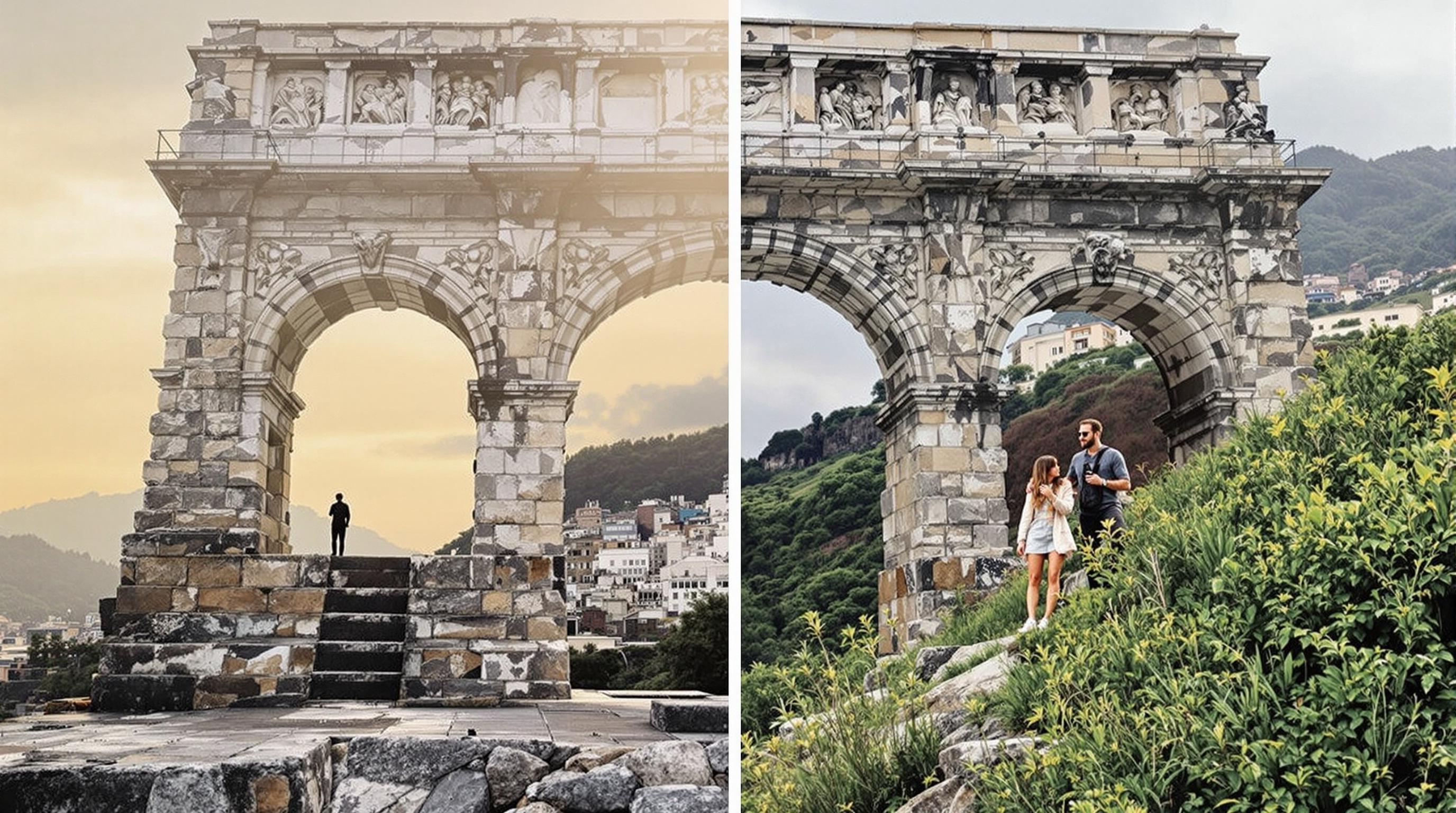
7 Unconventional Travel Photography Tips to Capture Unseen Perspectives and Cultivate Unique Visual Journeys
7 Unconventional Travel Photography Tips to Capture Unseen Perspectives and Cultivate Unique Visual Journeys
7 Unconventional Travel Photography Tips to Capture Unseen Perspectives and Cultivate Unique Visual Journeys
1. Embrace the Power of Shadows
While many photographers seek the brightness of daylight, shadows can be an artist’s secret weapon. Shadows create depth and intrigue in a photograph, allowing viewers to see elements they might overlook otherwise. Look for shapes and patterns that emerge when light interacts with various surfaces, making your travel photos speak a language of their own.
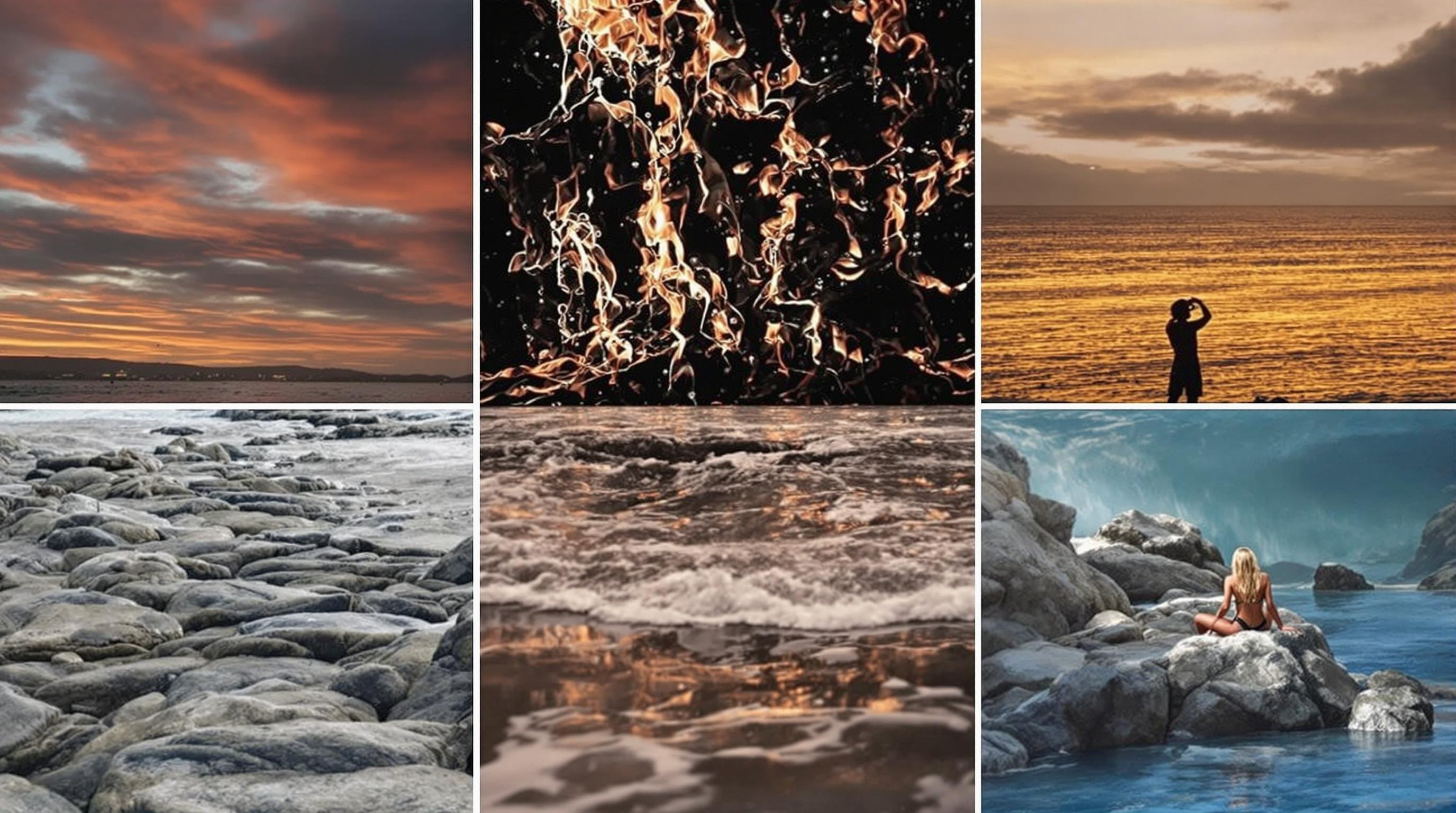
Experiment with direct sunlight and partially shaded areas. For instance, capturing the delicate silhouettes of local flora against a sunset can evoke emotional responses that simple images may not convey. Consider how ancient cultures revered shadows as an integral part of art, blending light and dark in a dance of perception and mood.
So, the next time you're out shooting in the golden hour, remember to turn your lens to the often-ignored aspects of light—shadows can lead you to unparalleled visual storytelling.
2. Get Low and Explore Different Angles
Most photographers instinctively shoot from eye level, but exploring lower perspectives can yield stunning results. Getting low not only changes the viewer's perspective but can also reveal details that are easily missed. It can bring everyday scenes to life by showcasing textures and the environment in new ways.
In bustling markets or quiet villages, crouching down or lying flat on the ground can create unique compositions that connect the viewer to the scene. This approach is particularly effective with children, animals, and intricate street scenes, inviting viewers to enter into the subject’s world.
Utilizing different angles and viewpoints allows you to break free from conventional rules of photography and can lead to remarkable and unexpected results, inviting viewers to see through your eyes.
3. Capture the Movement of Life
Static images can often fail to convey the vibrancy of a culture in motion. To capture the essence of life in travel photography, consider incorporating movement into your shots. Techniques like long exposure can create an artistic blur, conveying the hustle and rhythm of bustling streets or the tranquil flow of nature.
Using a slower shutter speed while photographing a busy market can transform the chaos into an expressive symphony of color and motion. This technique often reveals the narrative of a place, letting the viewer feel the energy and pace of life around you.
Experimentation is key here—start with various speeds and settings until you find the balance that resonates with your vision, allowing the spirit of each destination to illuminate your photographs.
4. Use Reflections to Create Depth
Water bodies, metals, and glass can serve as transformative tools in photography. Reflections add layers to your images, inviting viewers into the frame while simultaneously drawing them deeper into the visual narrative you wish to create. Look for puddles, lakes, or even shop windows that can provide unique reflective surfaces.
For example, during sunrise at a lake, capturing the still water can accentuate the colors of the sky while showing the landscape in a dreamlike quality. Reflections can blur the line between the subject and its environment, creating scenes that flirt with reality.
This technique not only adds richness but also encourages the exploration of dual narratives within a single photograph, expanding the viewer's experience and evoking emotions tied to both realms.
5. Tell a Story with Layers
Every travel destination is ripe with stories waiting to be told. The key to great travel photography is to capture more than just the surface. Layering elements in your shots can invite viewers into a story, crafting a narrative that reveals the life and culture intertwined with the surroundings.
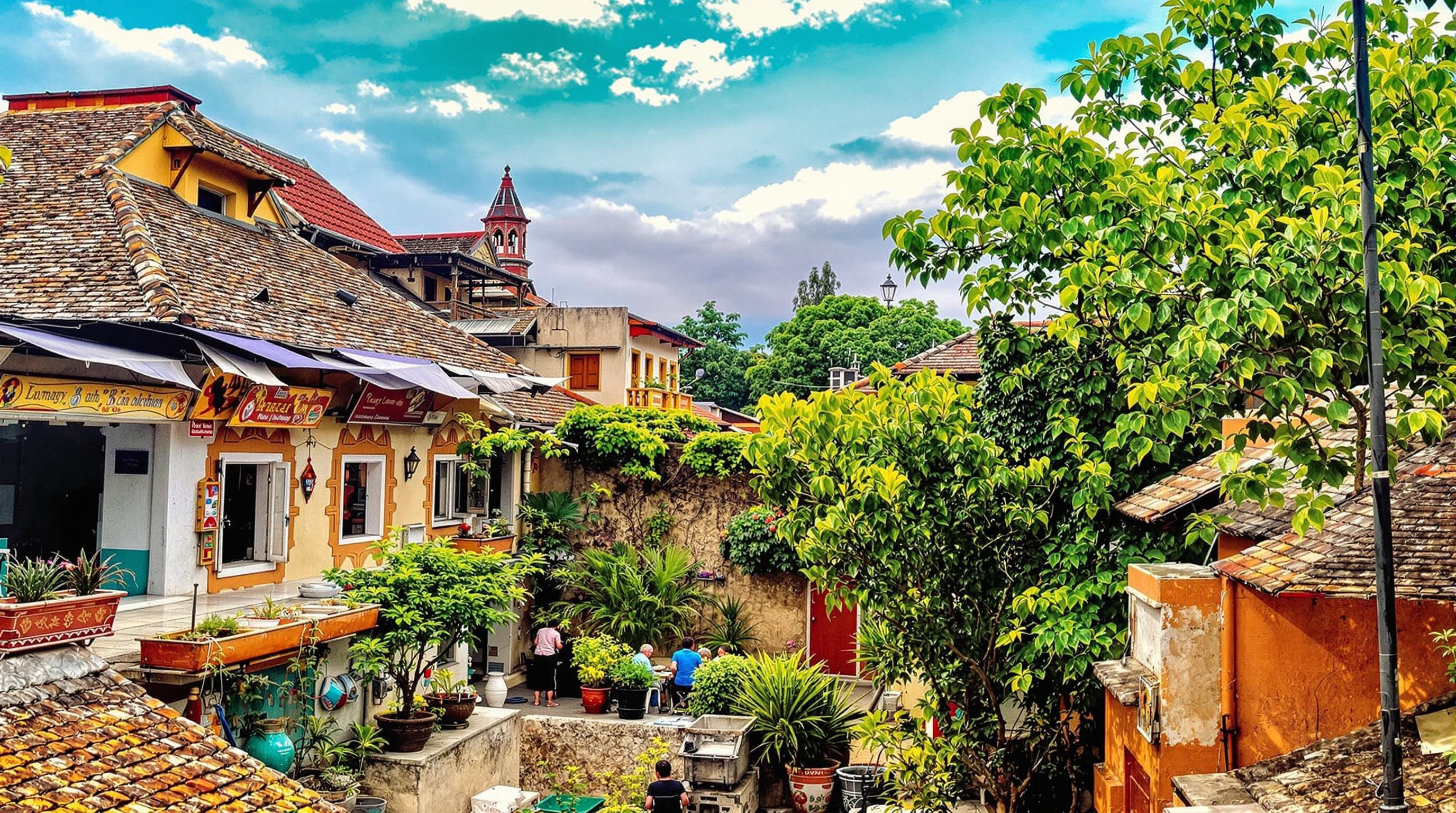
To create layers, consider composing your frame with foreground subjects, middle-ground scenery, and background landscapes. This approach will guide the viewer’s eye through the image, enhancing engagement and connection to the scene.
Moreover, introducing human elements within these layers can evoke emotions, as witnessing a local engaging in their everyday routine adds authenticity and depth, breathing life into your capture.
6. Capture Local Life through Portraits
While landscape photography often steals the spotlight, portraits of locals breathe heart into your travel stories. Approach individuals with respect and openness; a candid exchange can result in authentic captures reflecting cultural richness. Engage with your subjects—the emotional depth of human connection will enrich your work.
When photographing people, taking the time to understand their stories can translate into powerful imagery. Rather than merely capturing faces, aim to convey their spirit through gestures, expressions, and surroundings that tell a larger narrative.
Remember to ask for permission before capturing someone's likeness; this small act fosters trust and admiration which can transform your travel experience into something extraordinary.
7. Utilize Natural Frames
Nature and architecture can provide beautiful frames for the subjects of your photos. By incorporating trees, arches, or doorways, you create a funneling effect that draws the viewer's attention to your focal point. This technique adds structure and can enhance the overall aesthetic of your image.
Think creatively about how you position your subjects within such frames to maximize impact. The contrast between the framed element and the subject can create an intriguing visual tension, offering a fresh perspective that elevates your photography.
This technique invites the audience to consider what lies beyond the frame, encouraging them to delve deeper into the story behind the image—a powerful way to engage your viewers long after they have viewed your photographs.
Read More